Light as a flexible part of the architecture
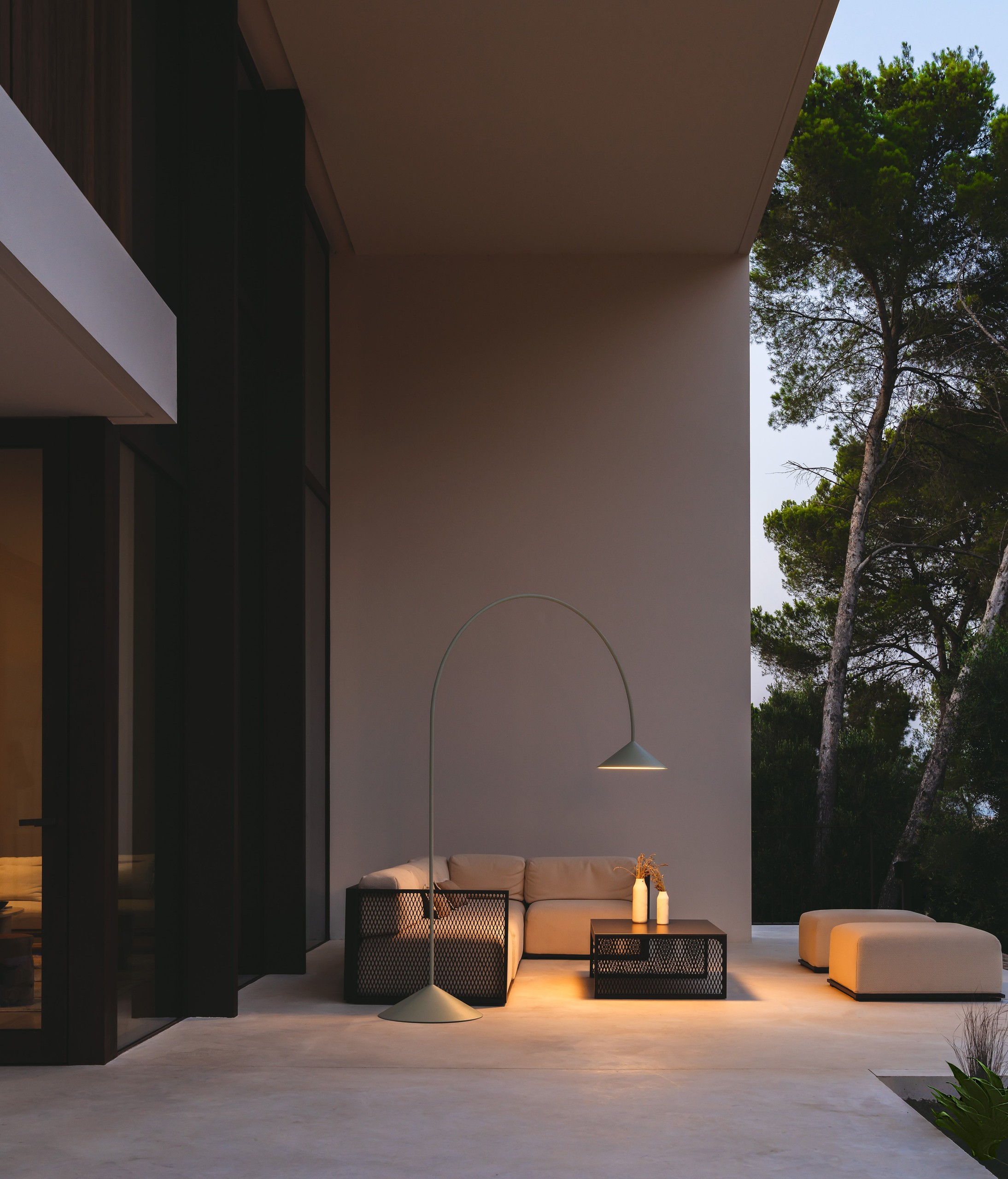
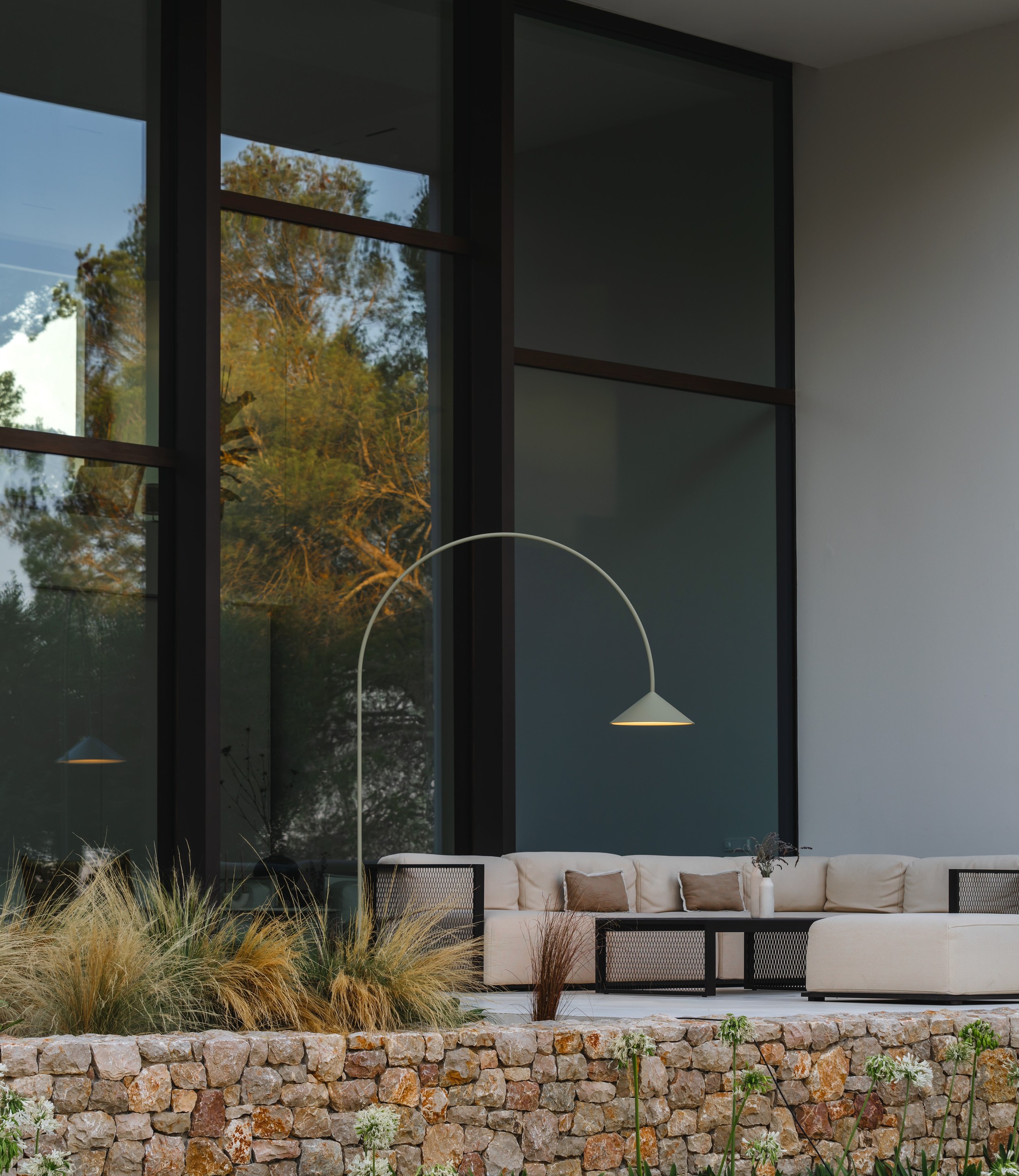
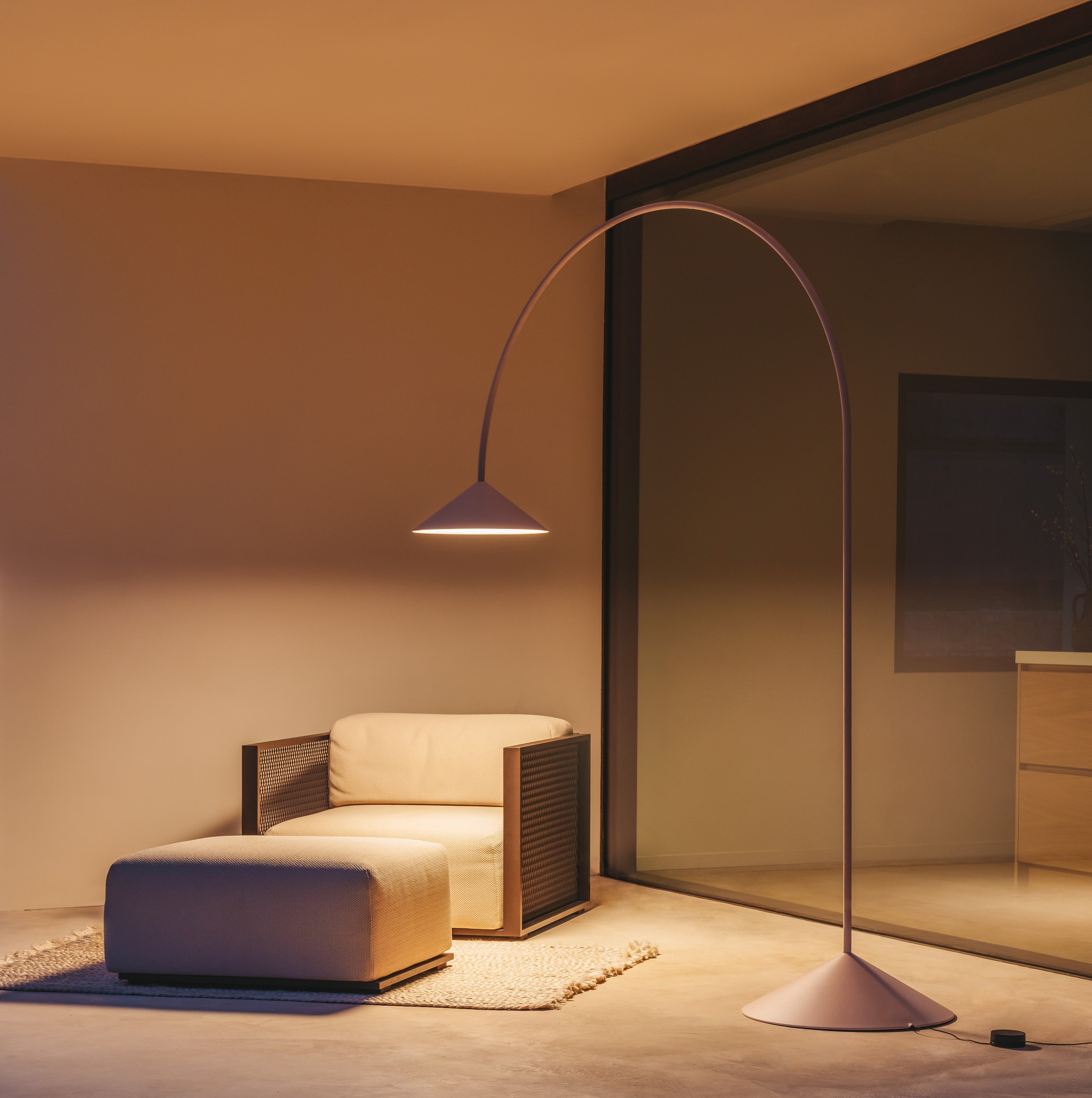
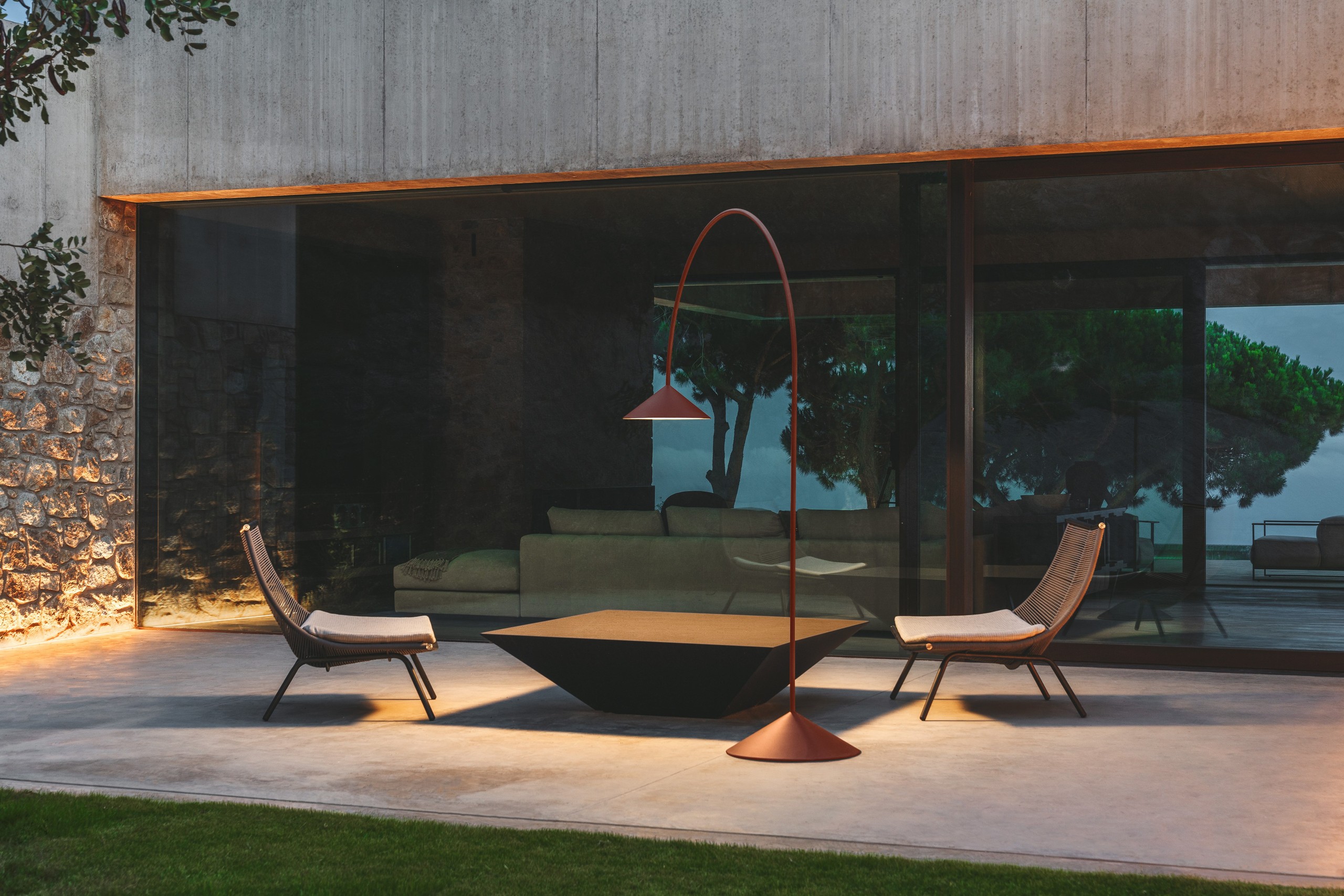
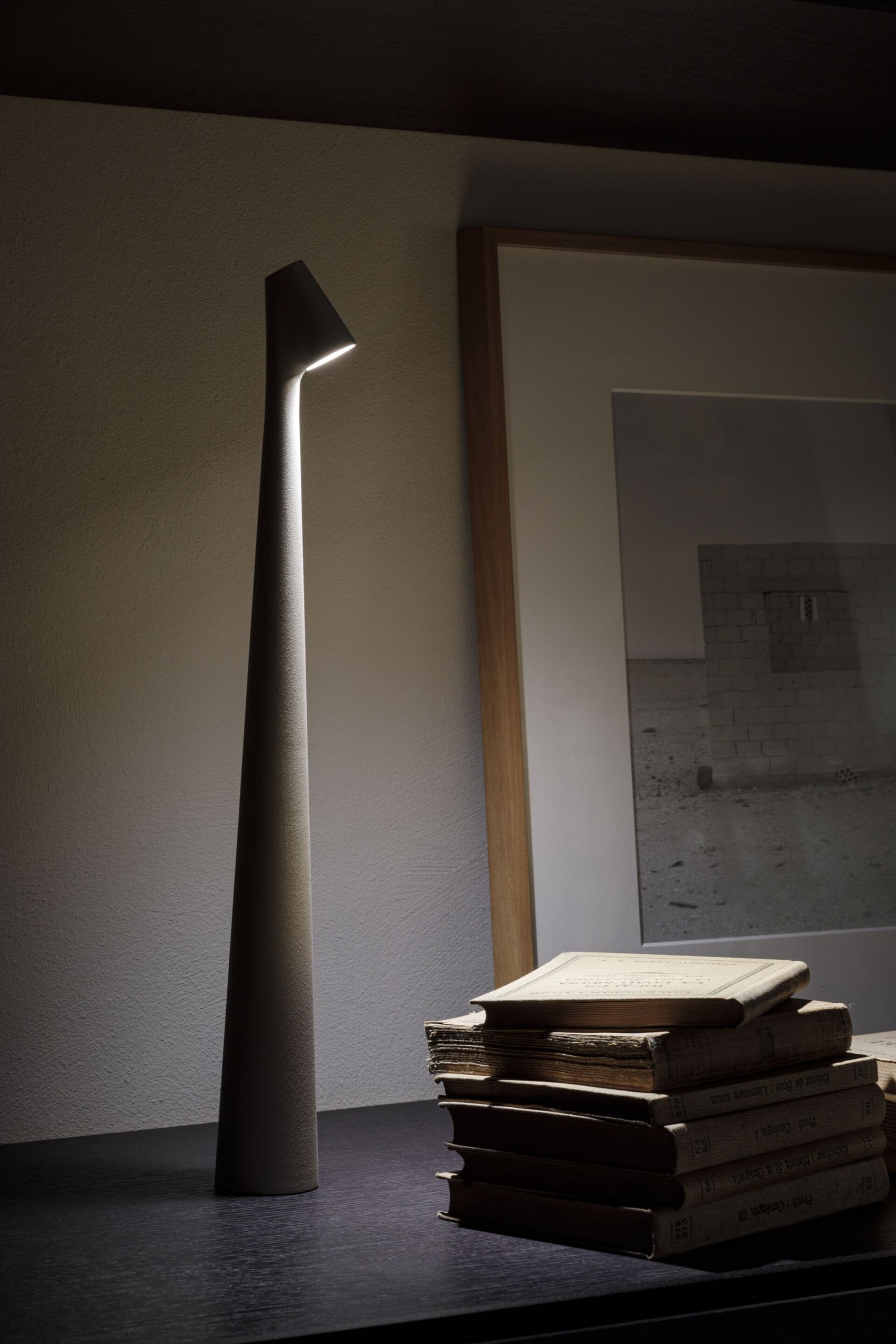
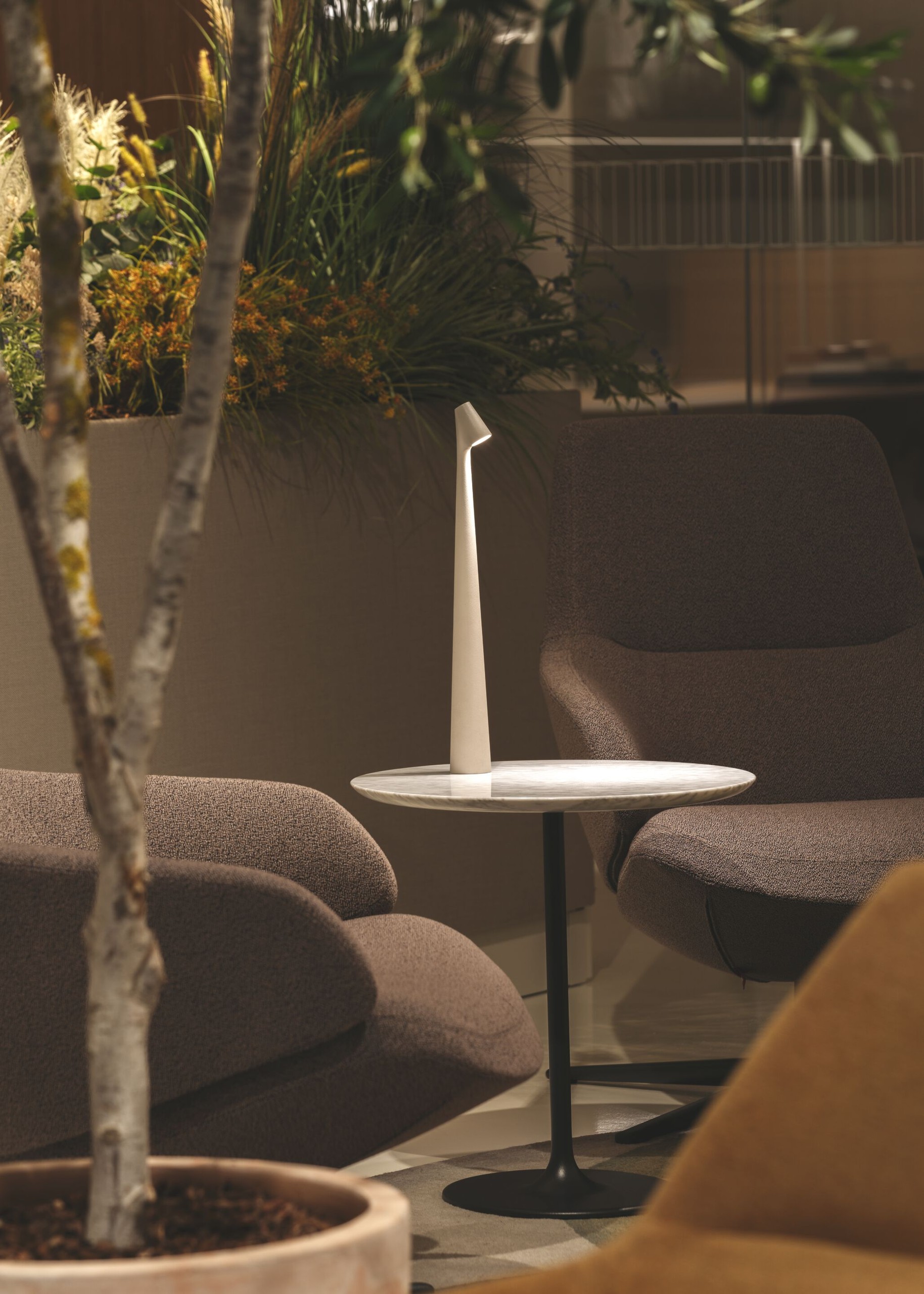
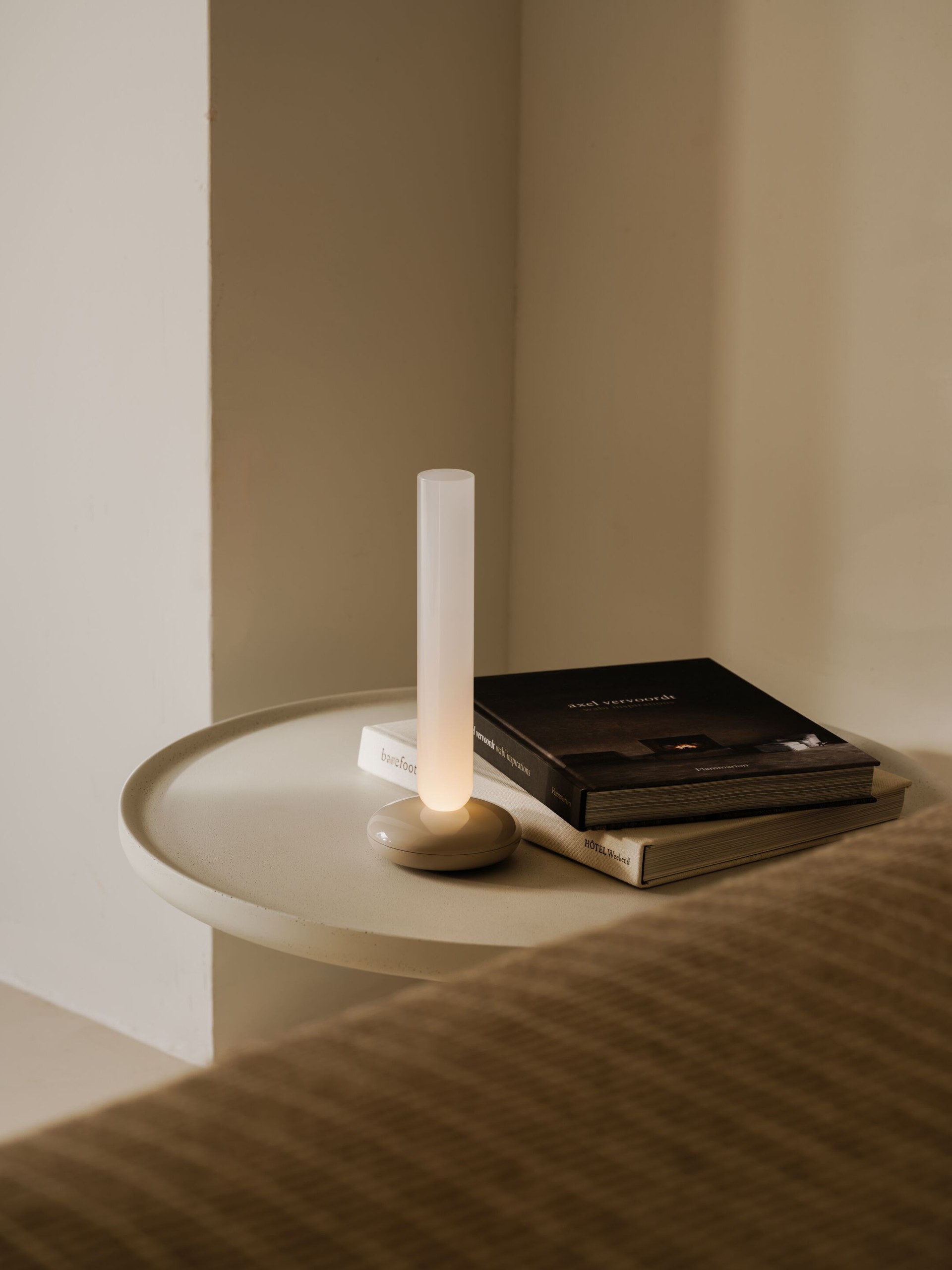
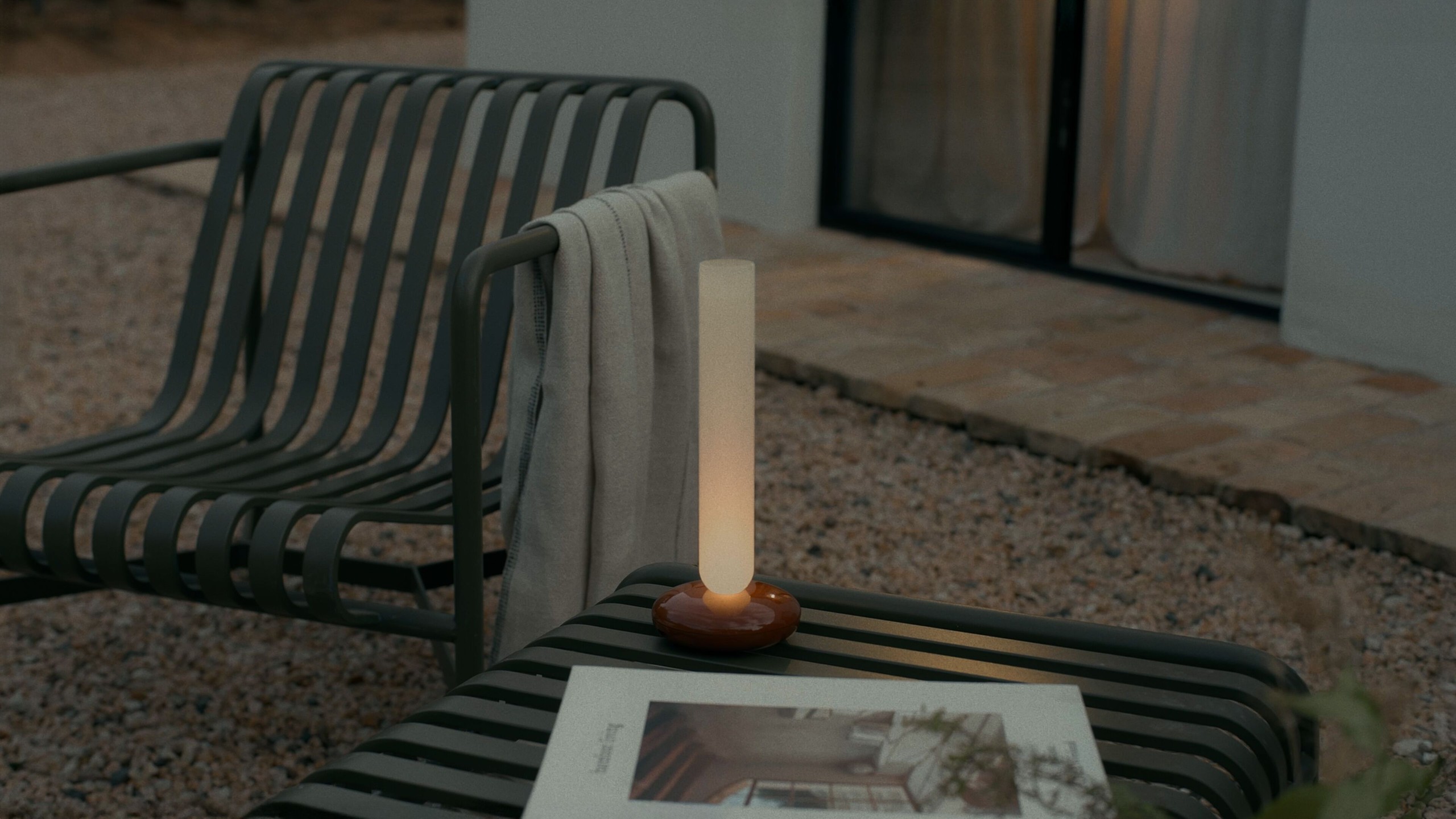
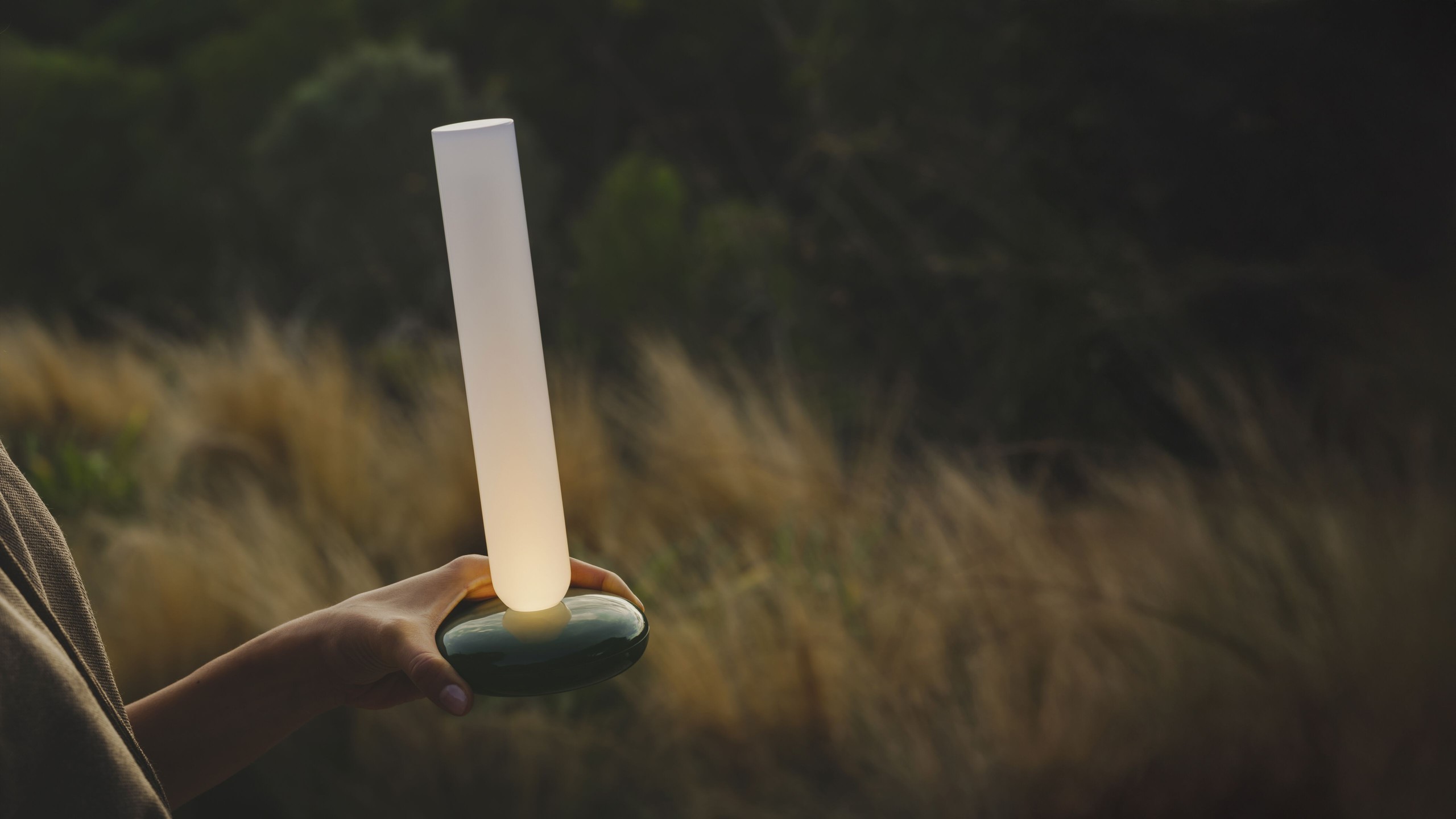
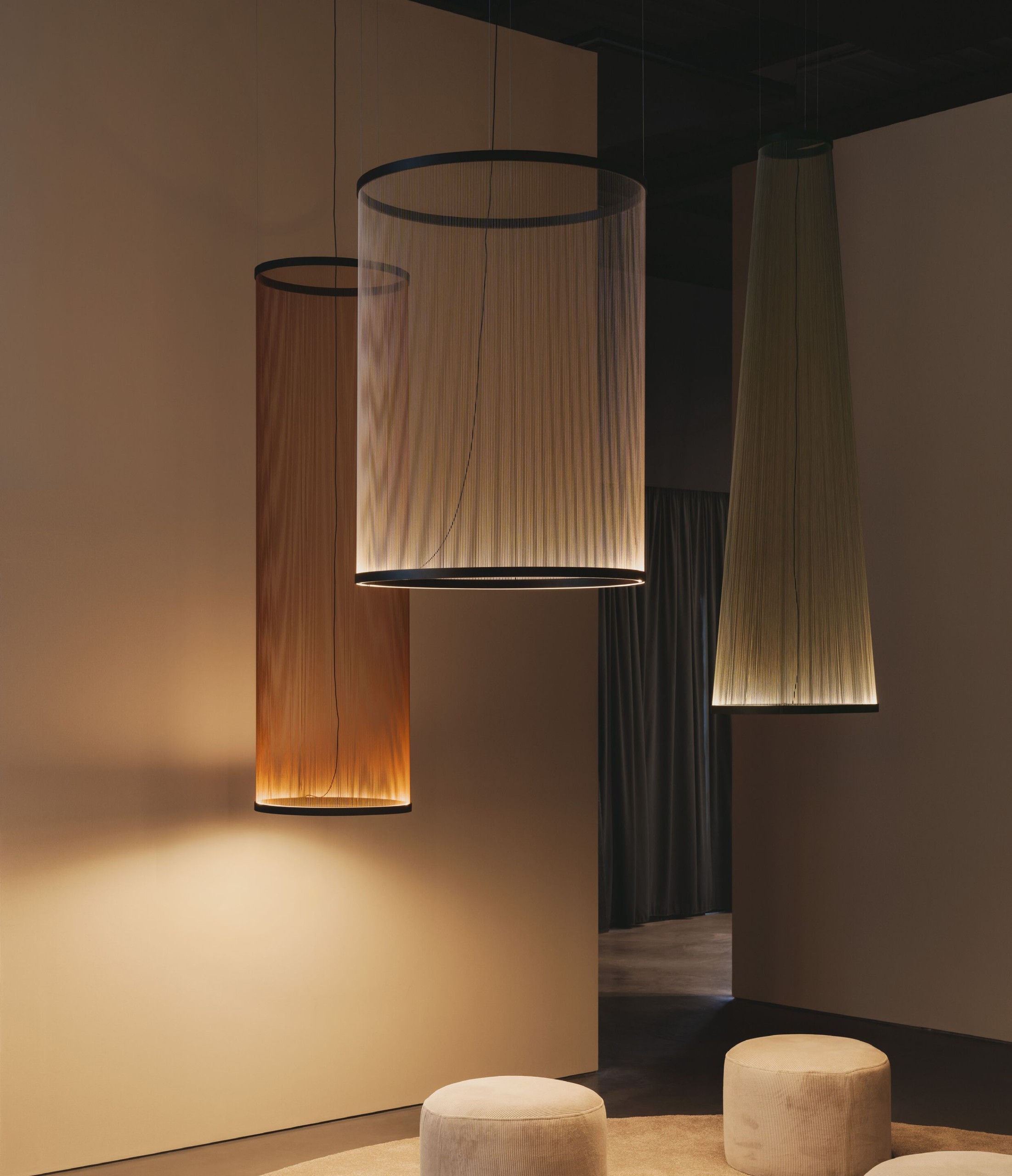
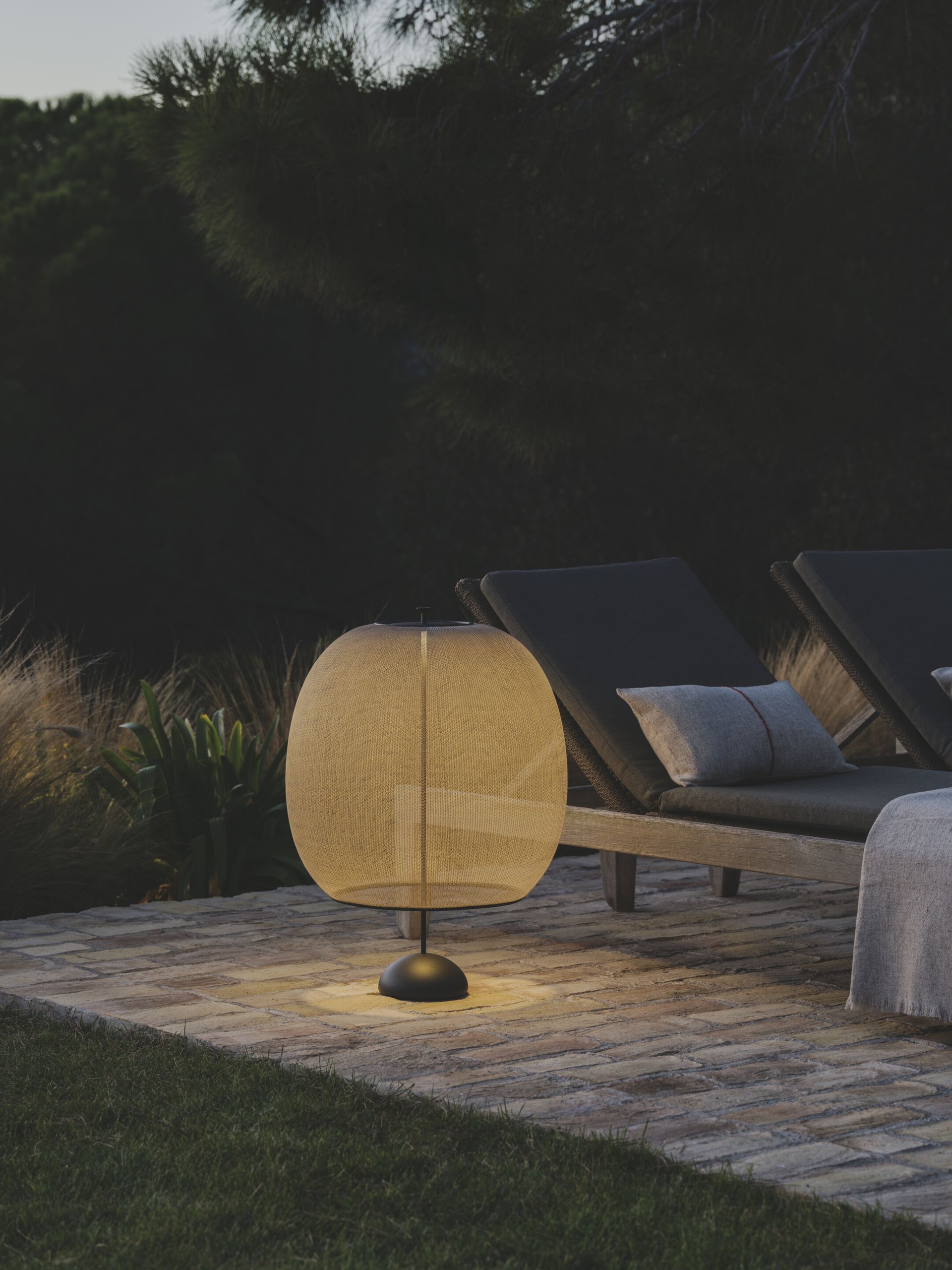
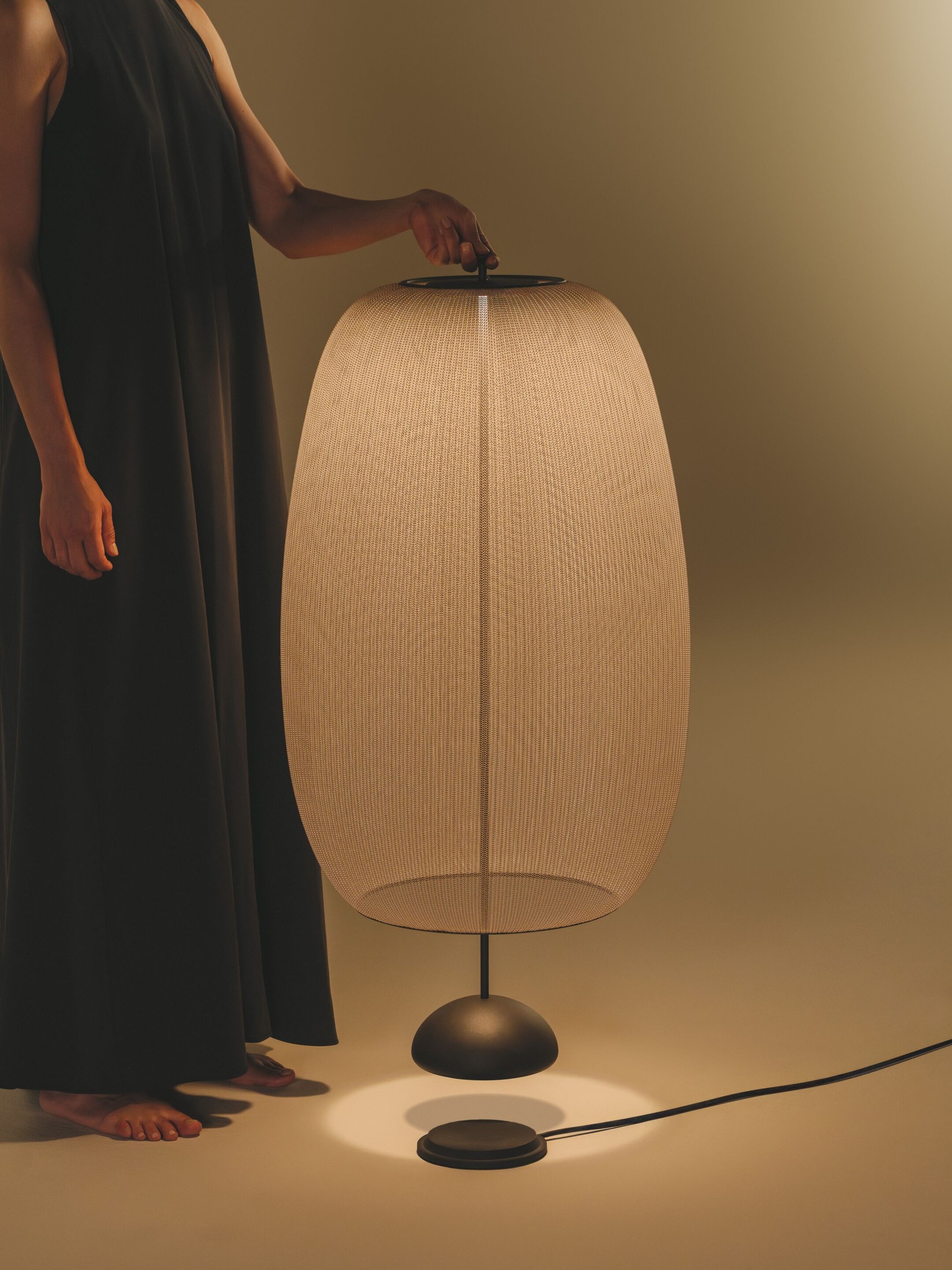
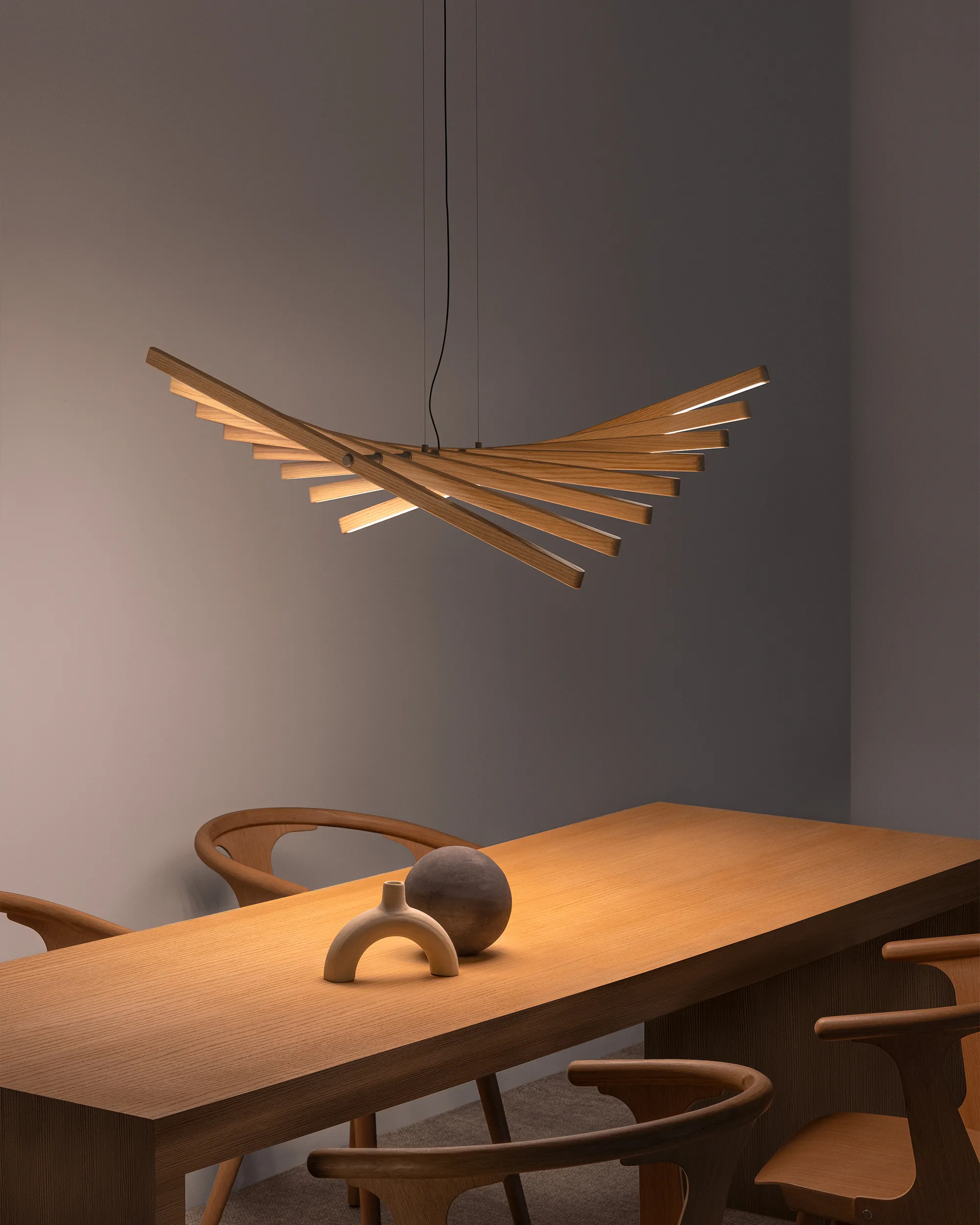
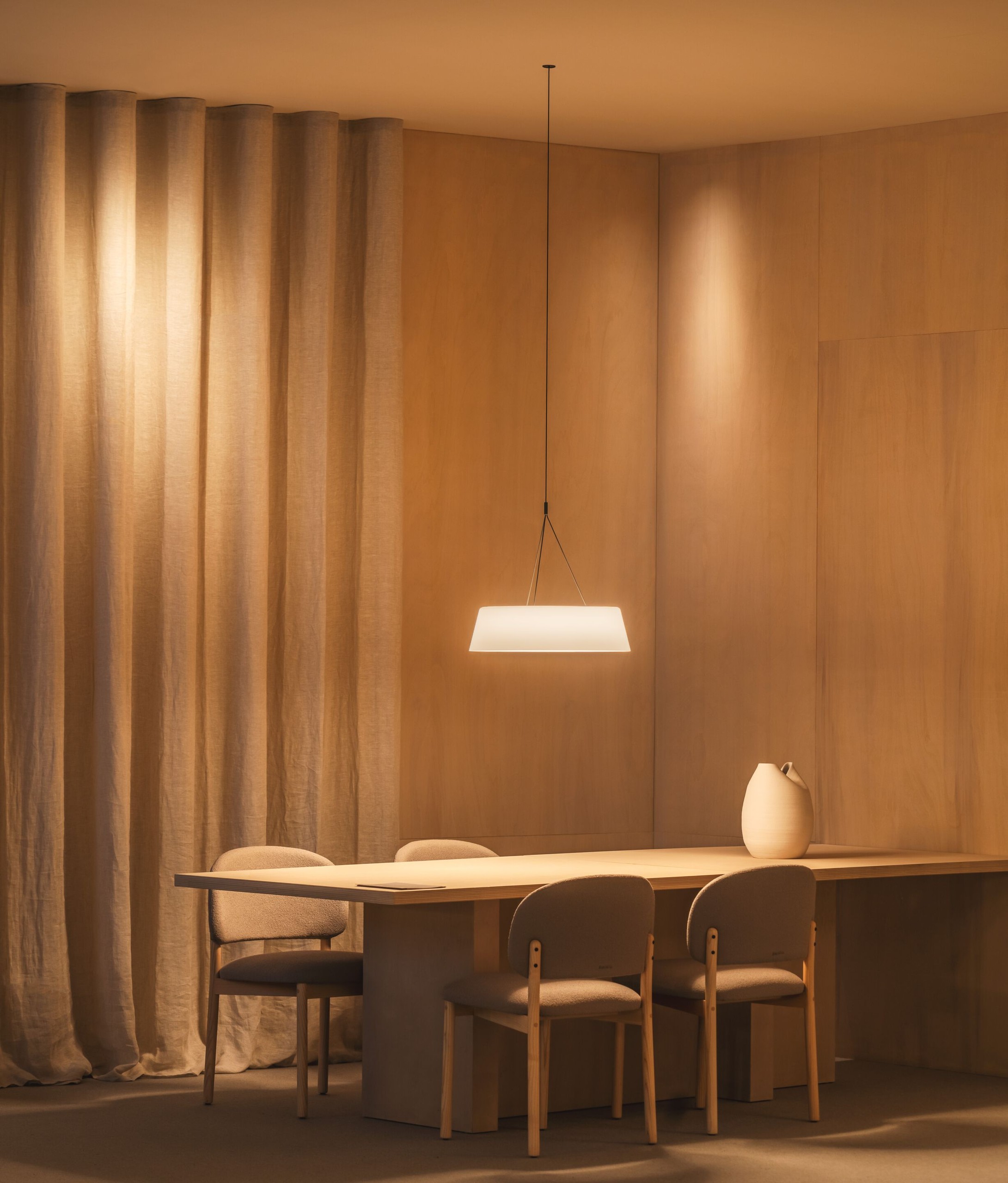
Vibia approaches lighting as a material for shaping atmosphere, scale and human experience. Based in Gavà, near Barcelona, the company works between decorative lighting and architectural systems, developing luminaires that can define a room through composition, shadow and reflection as much as through their physical presence.
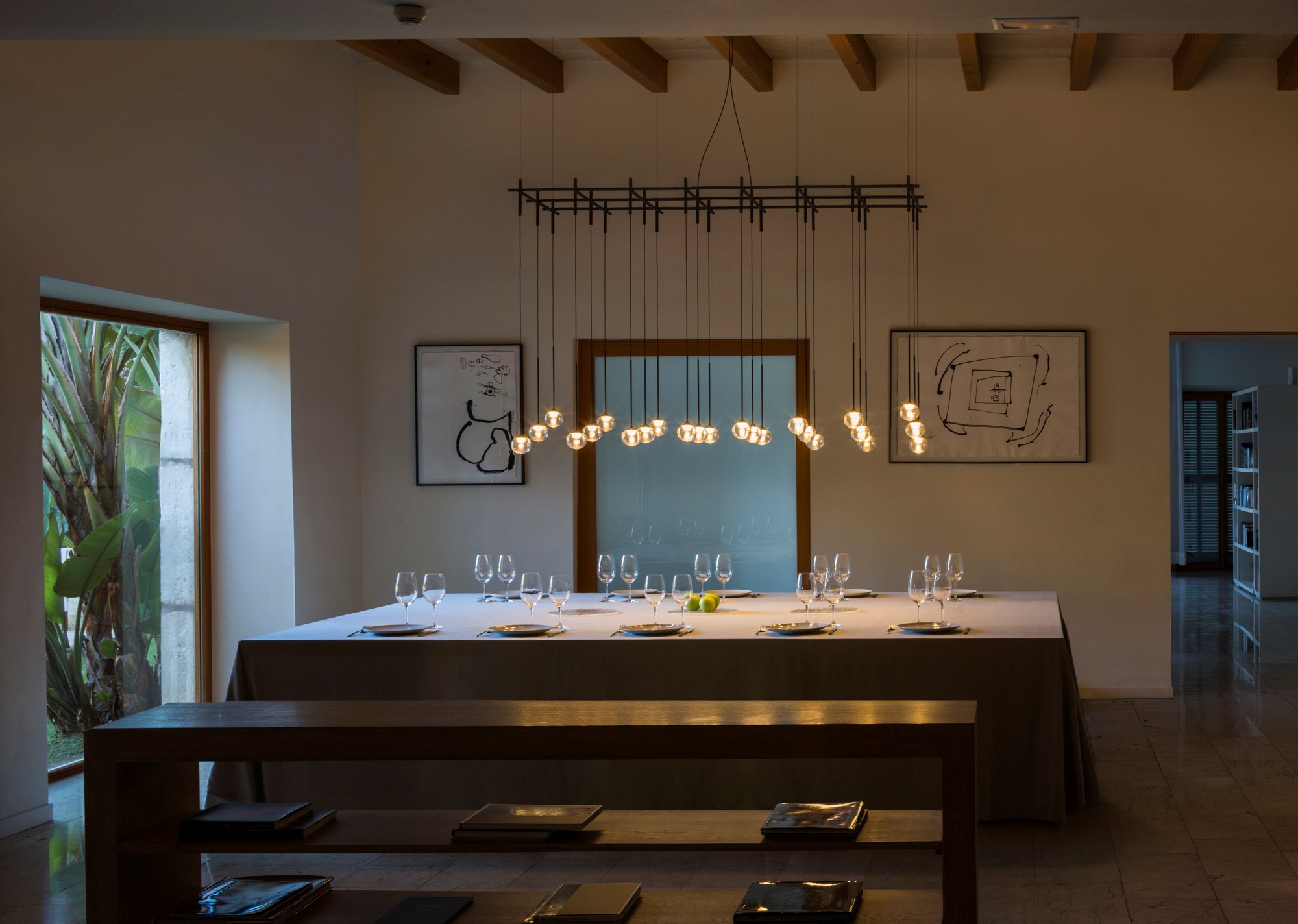
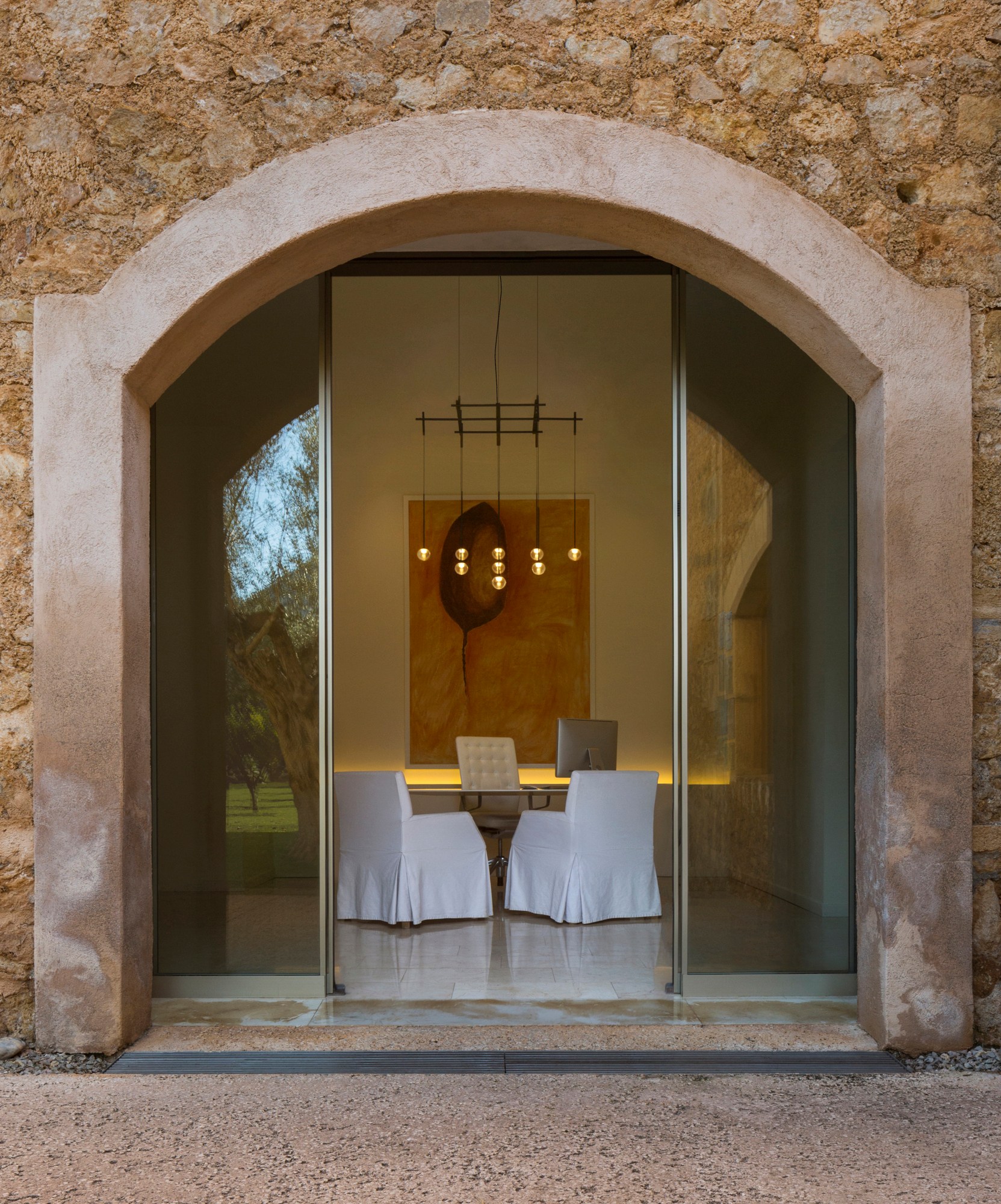
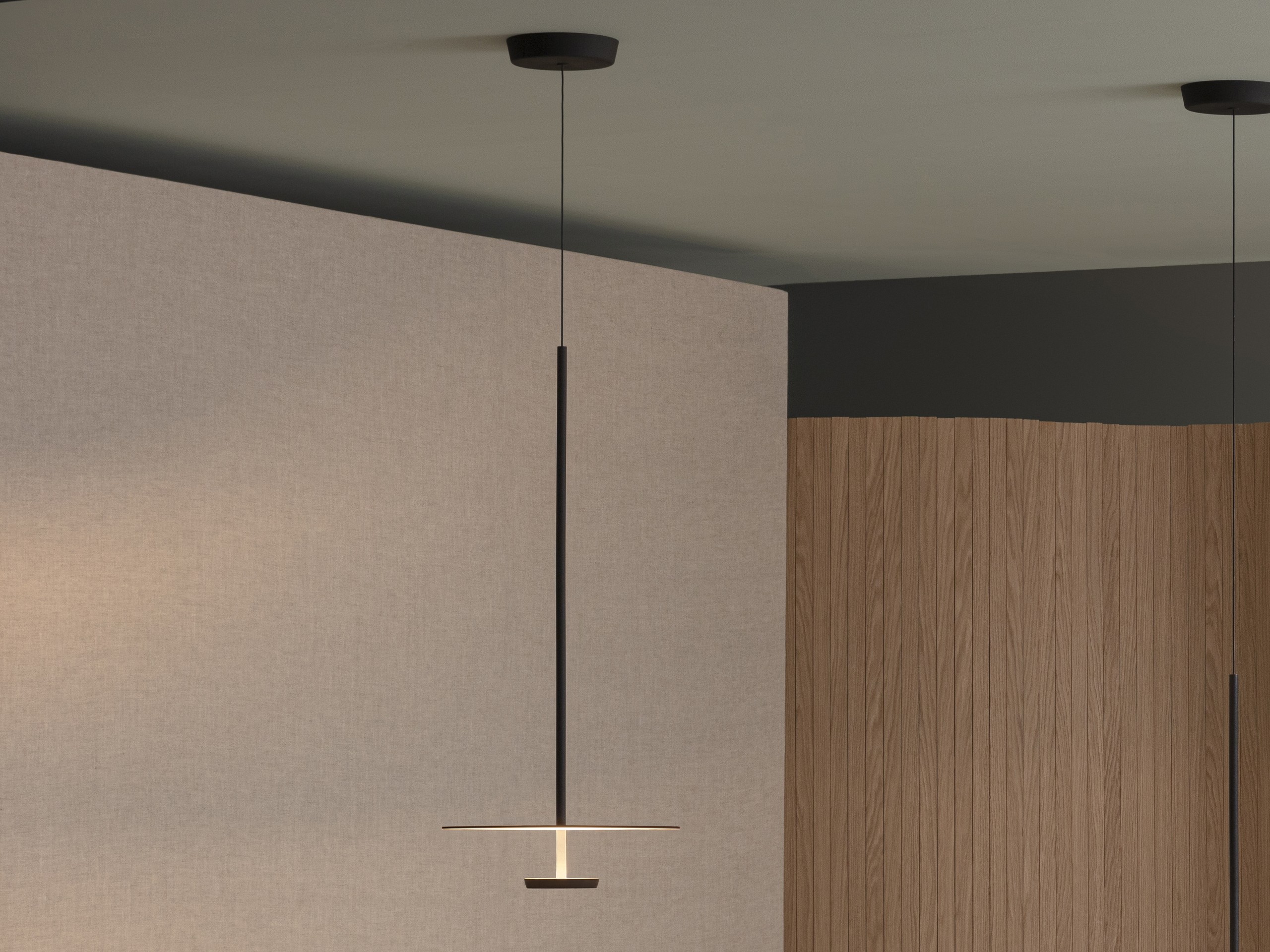
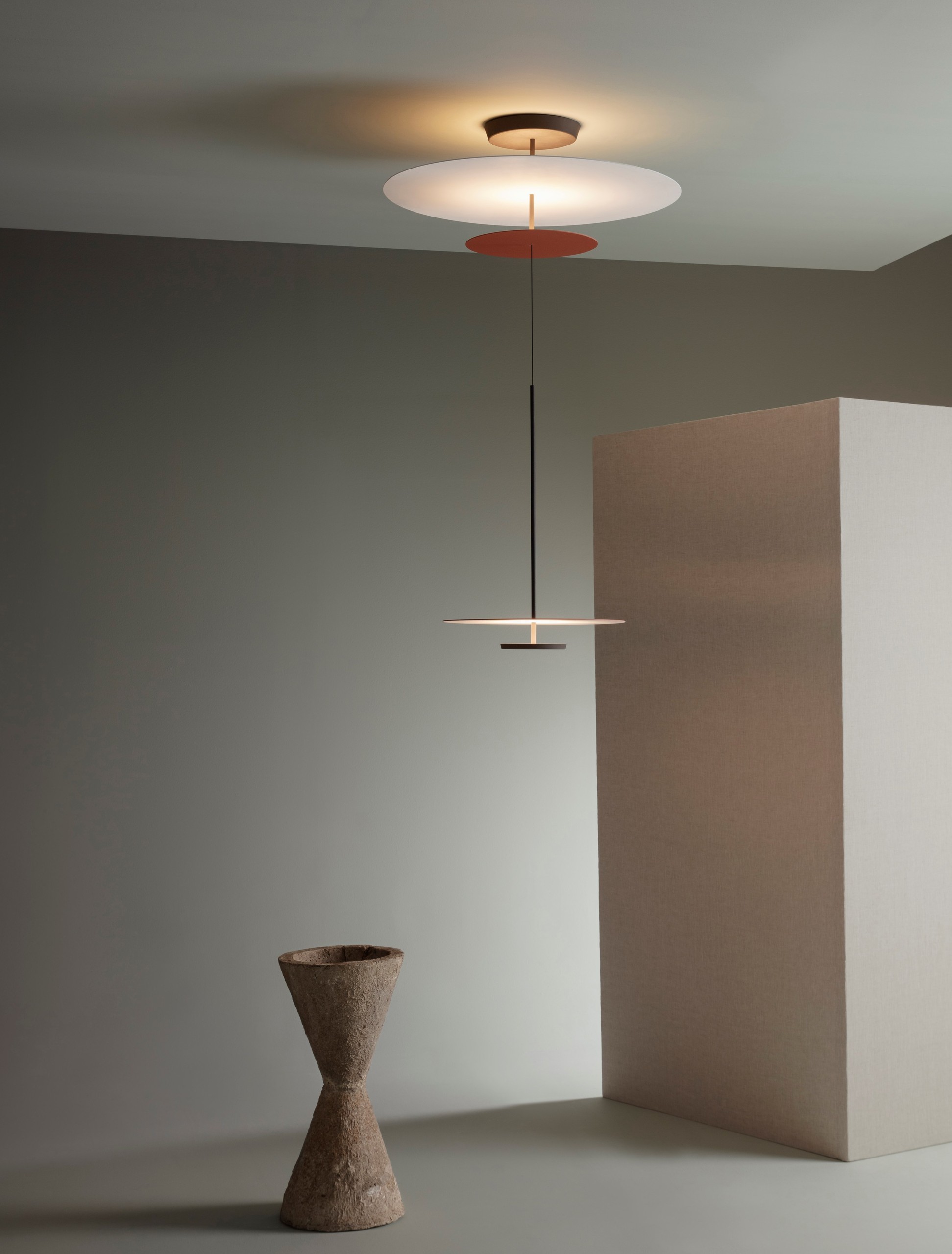
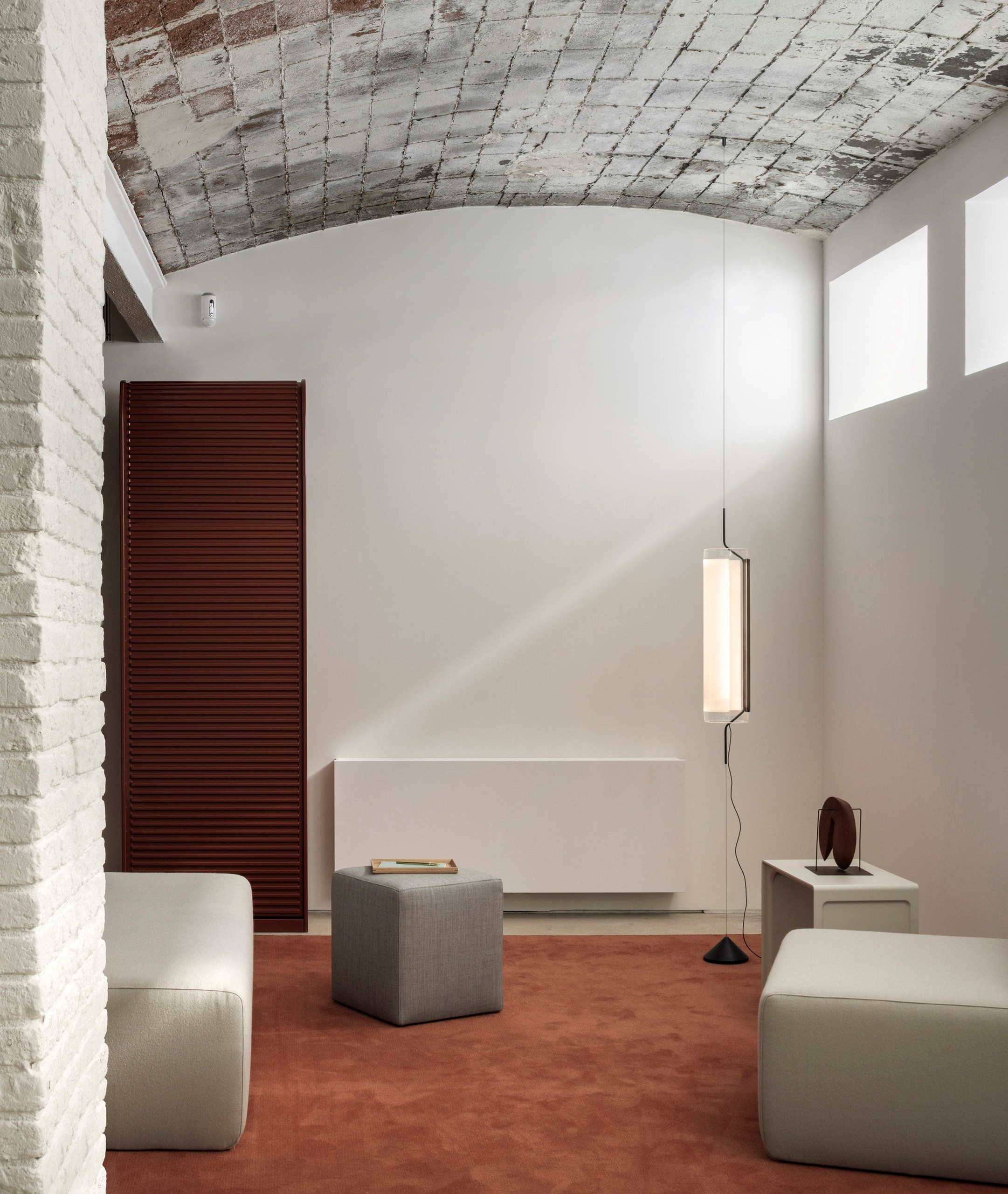
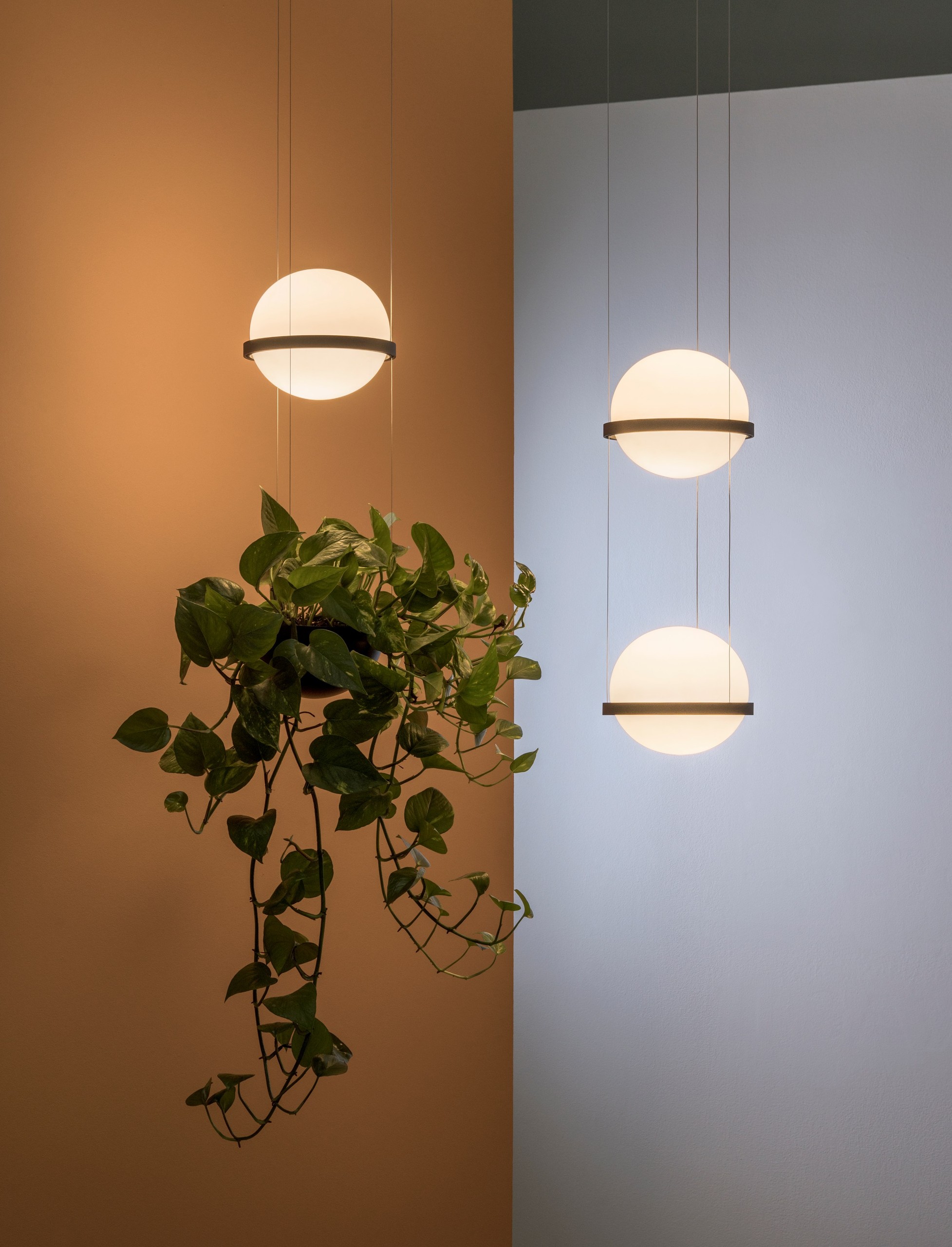
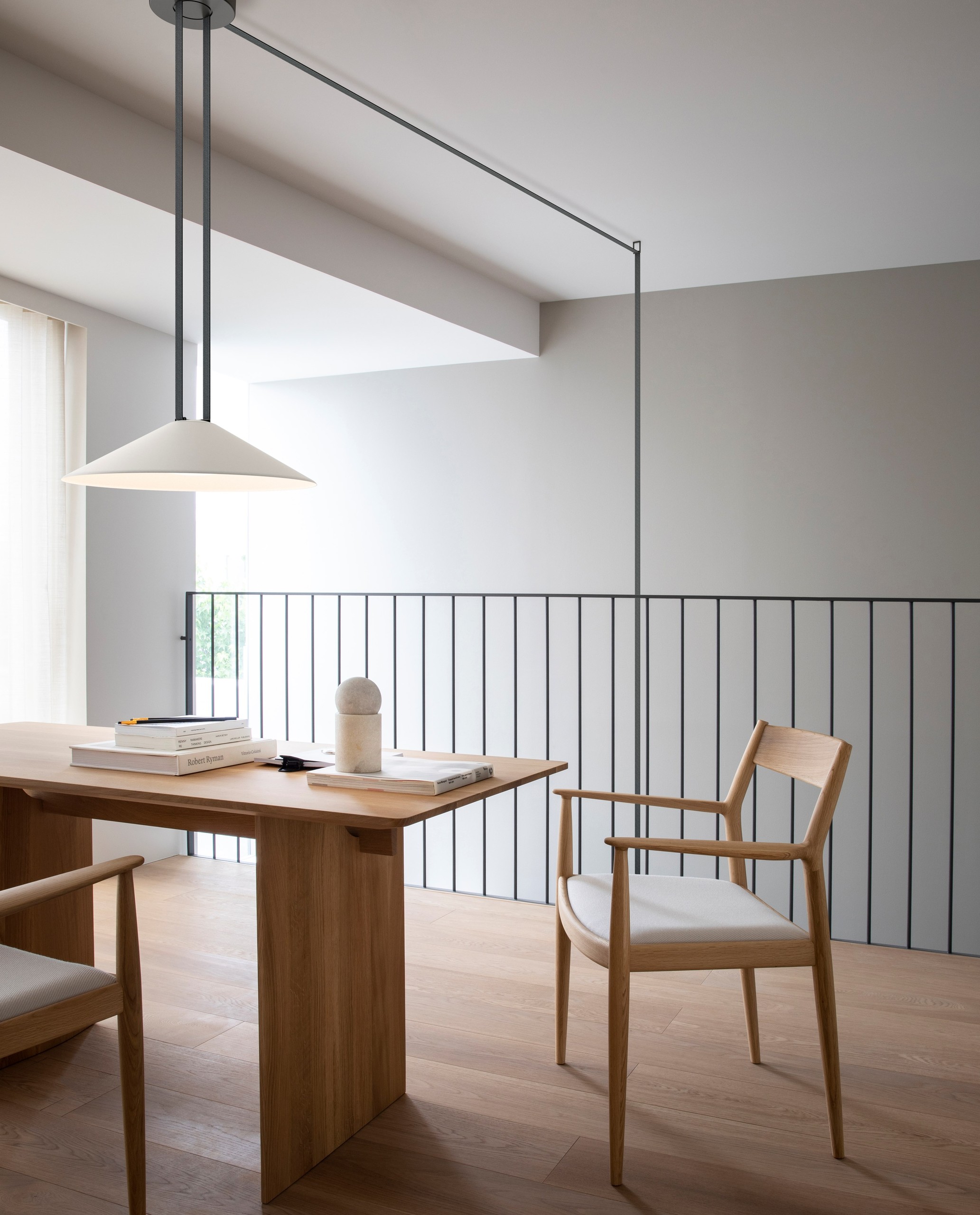
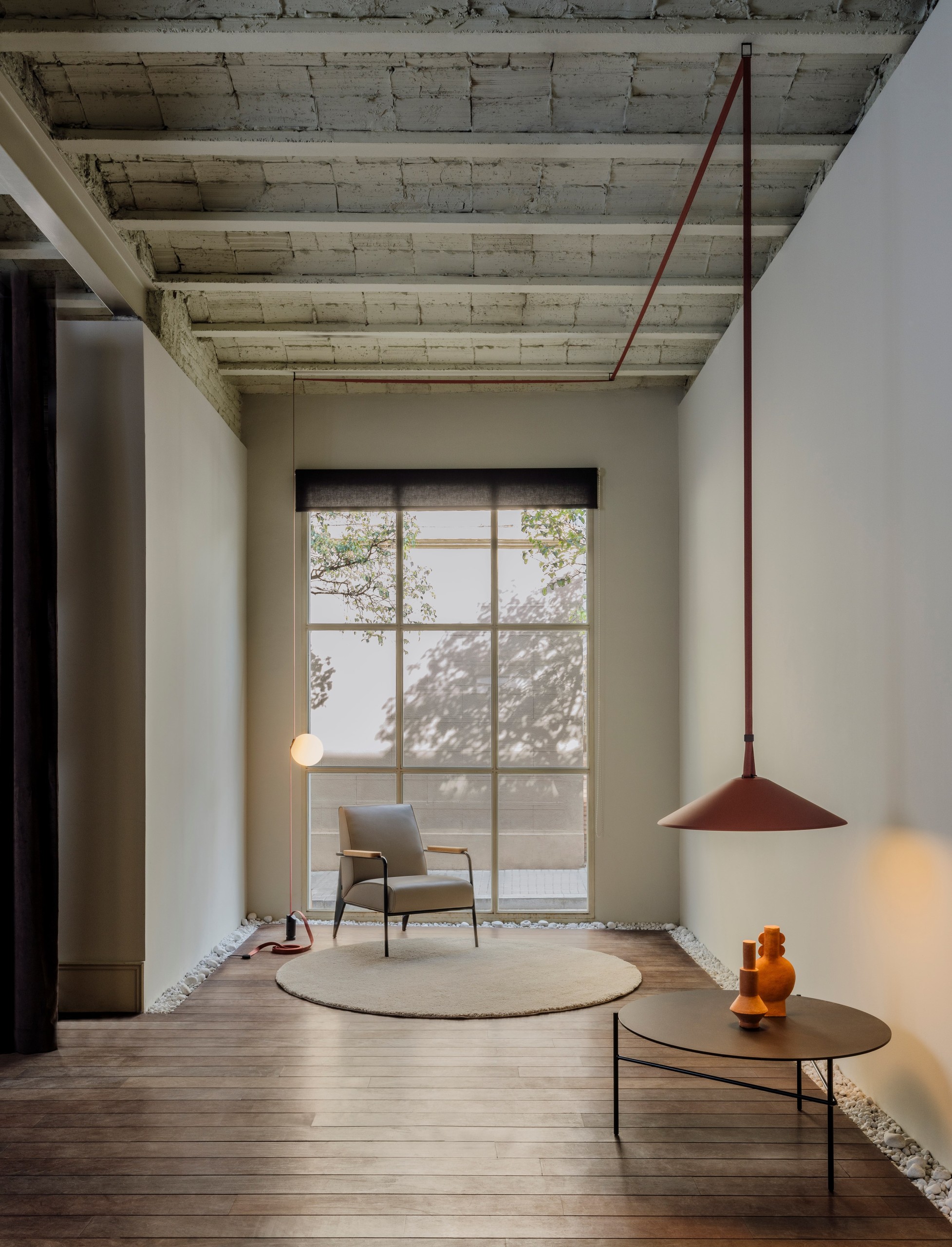
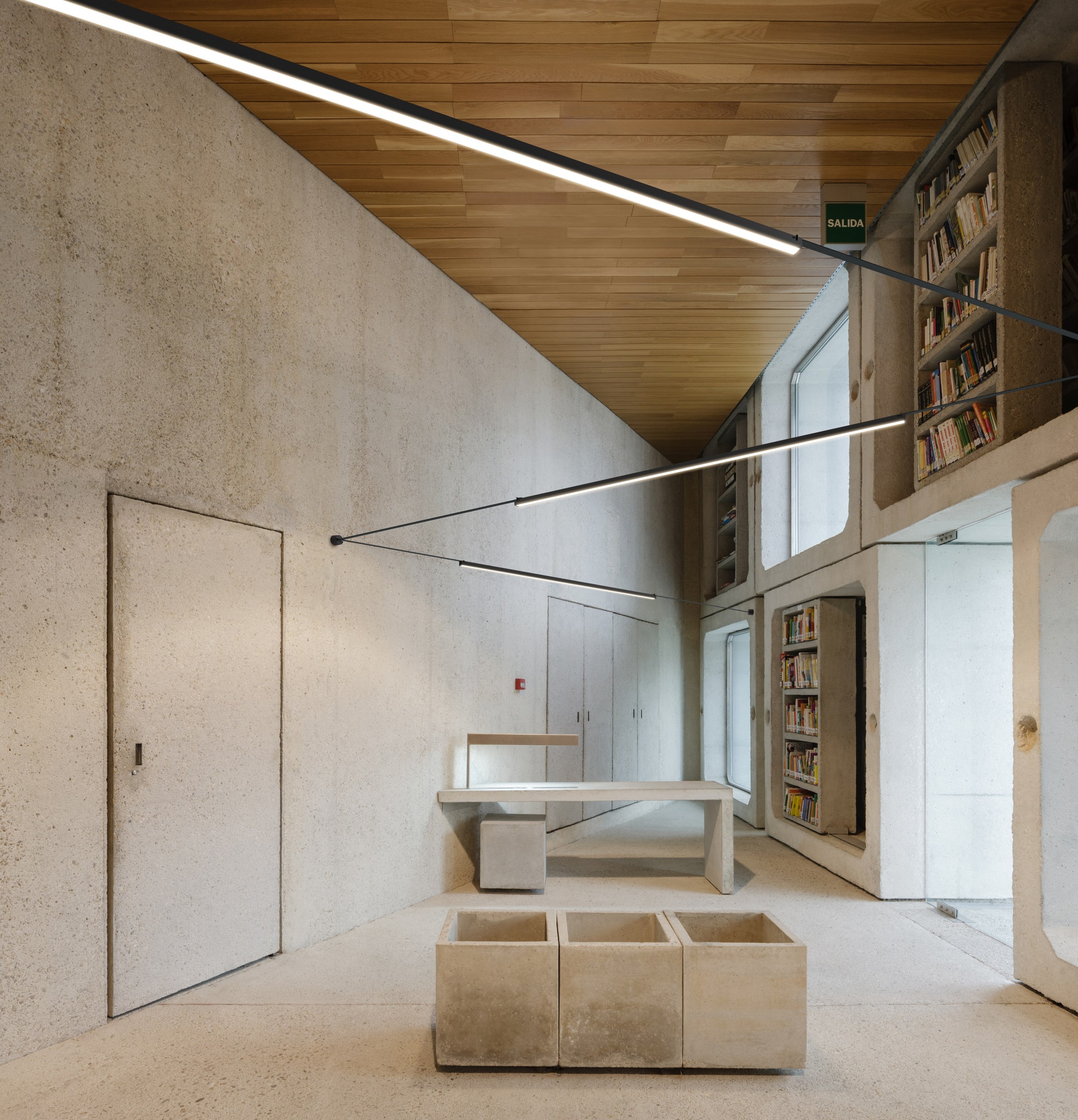
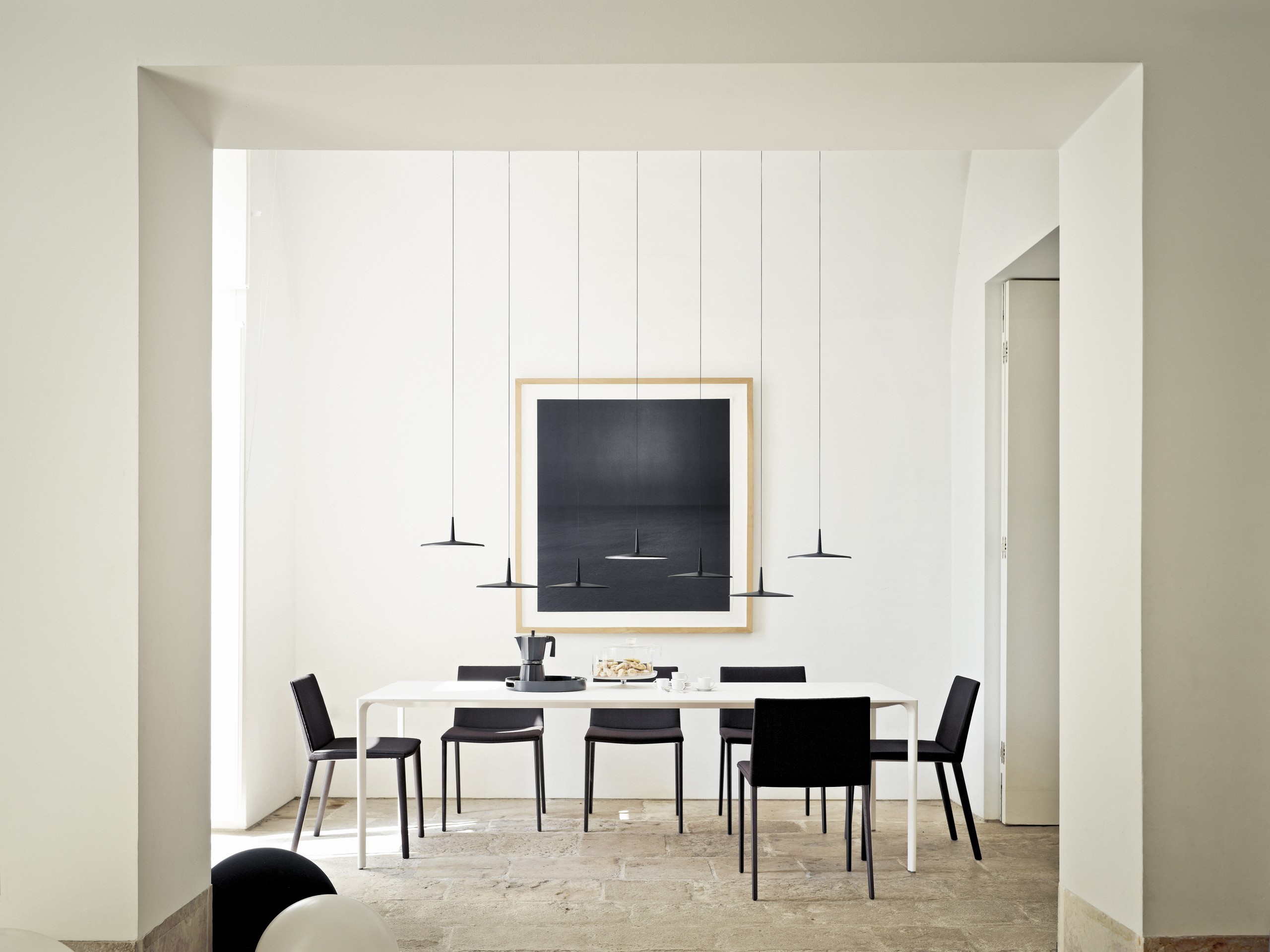
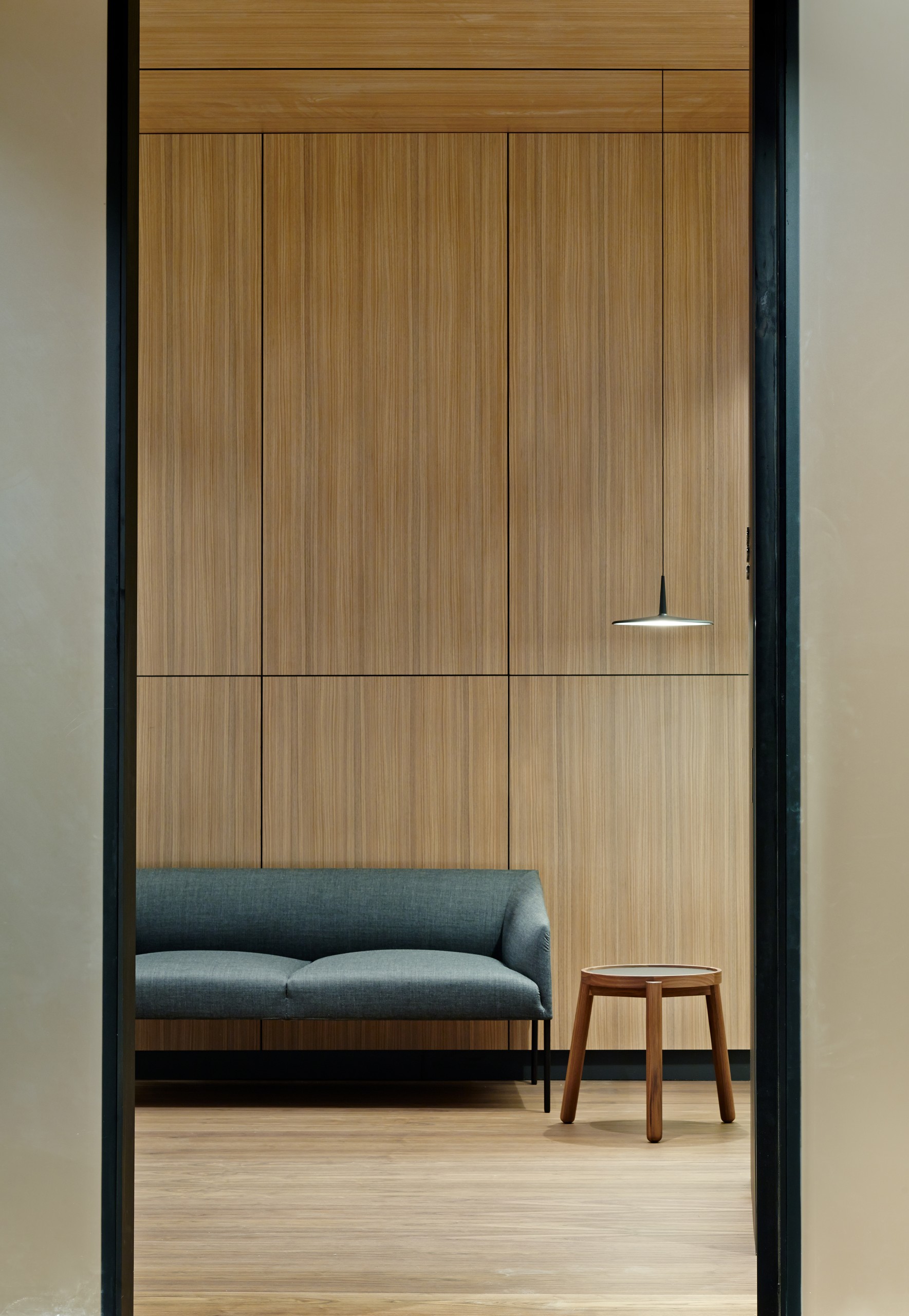
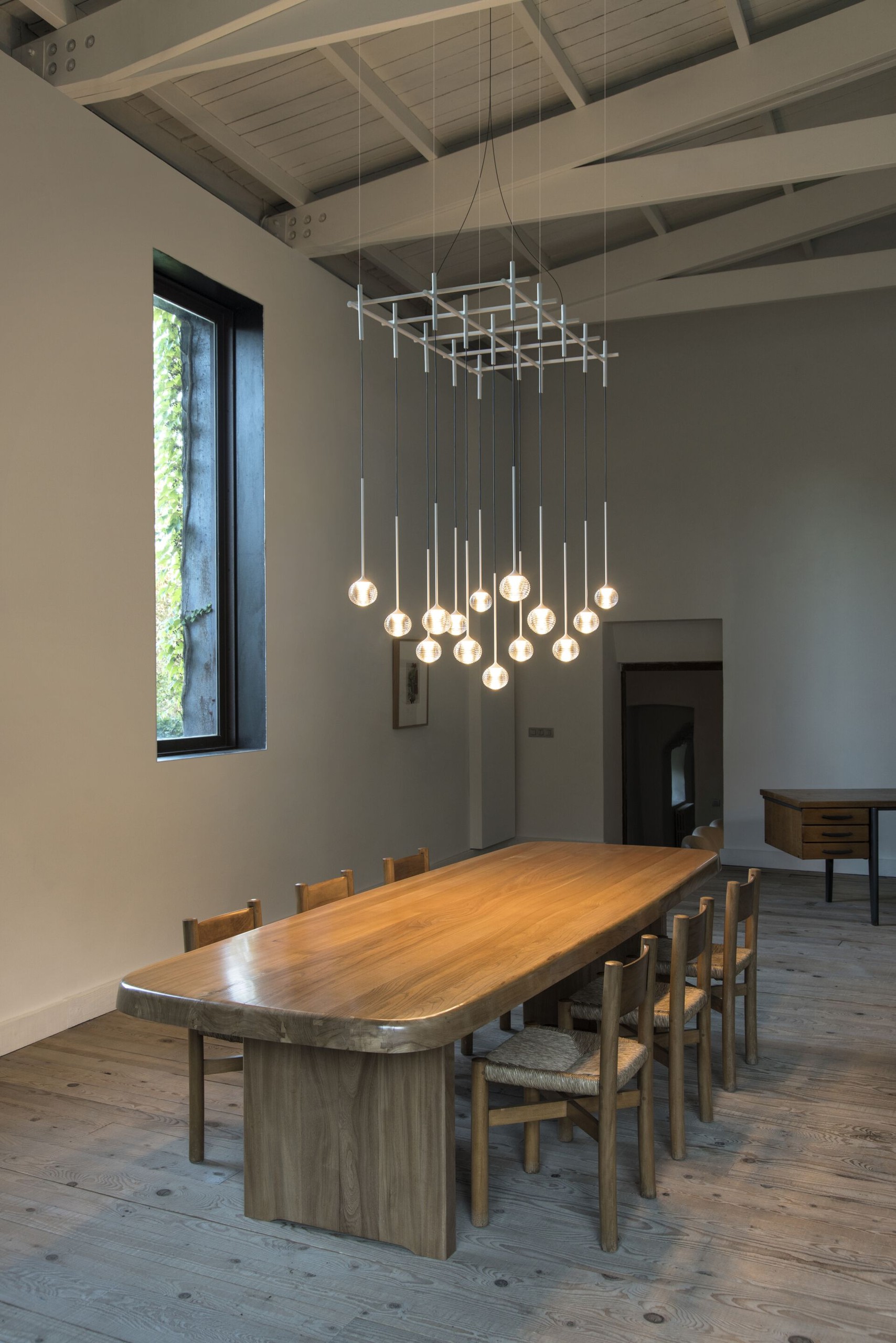
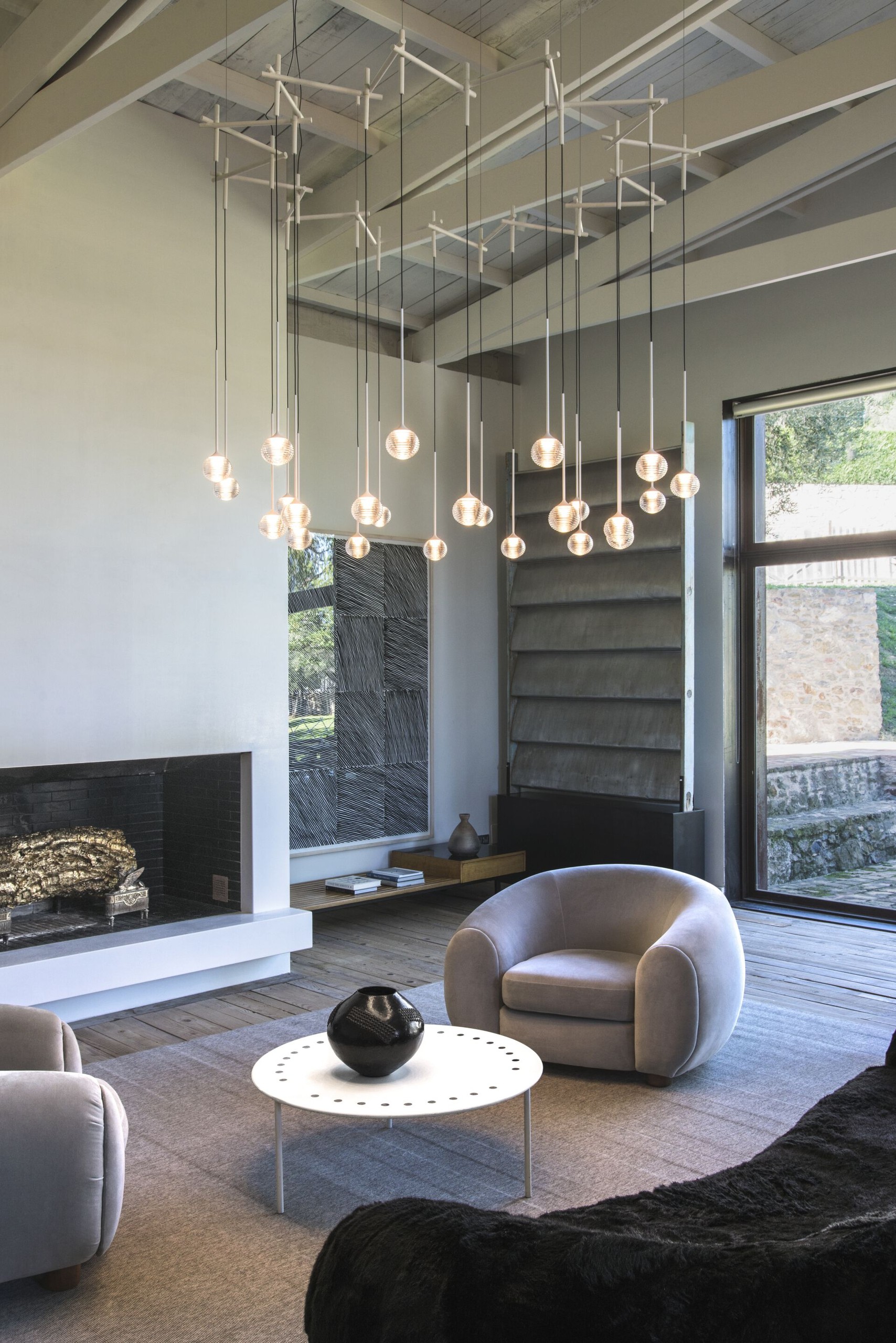
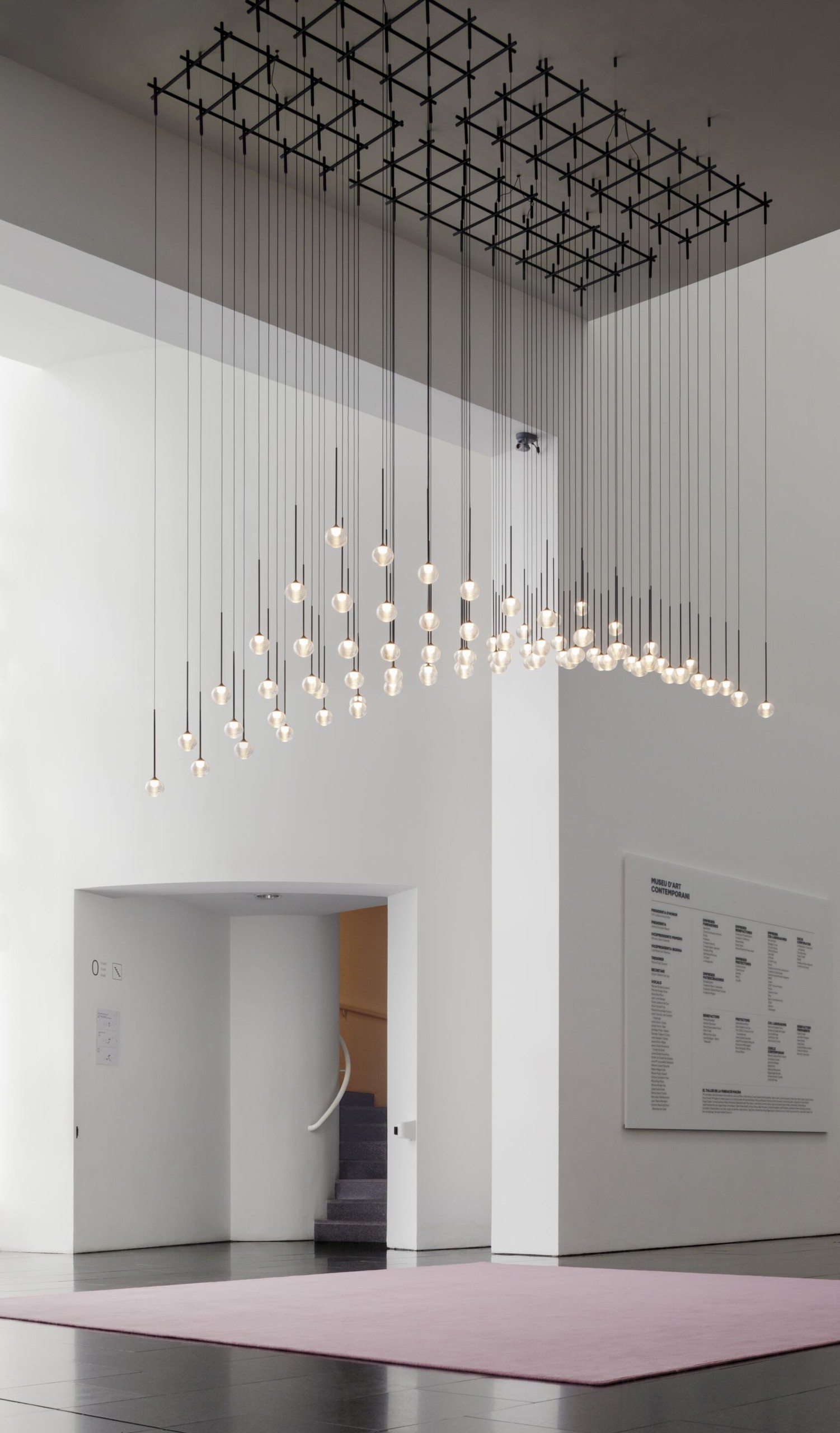
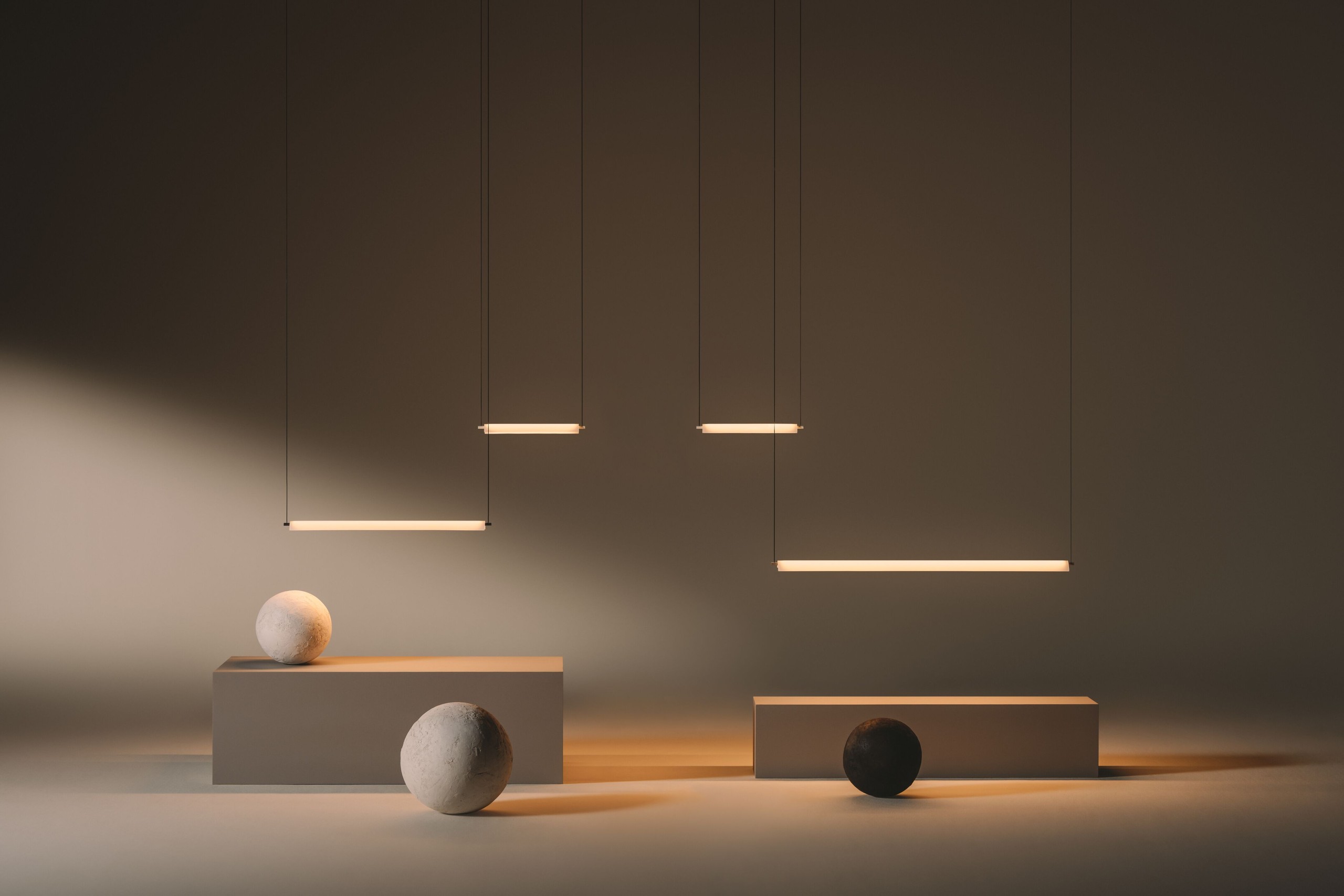
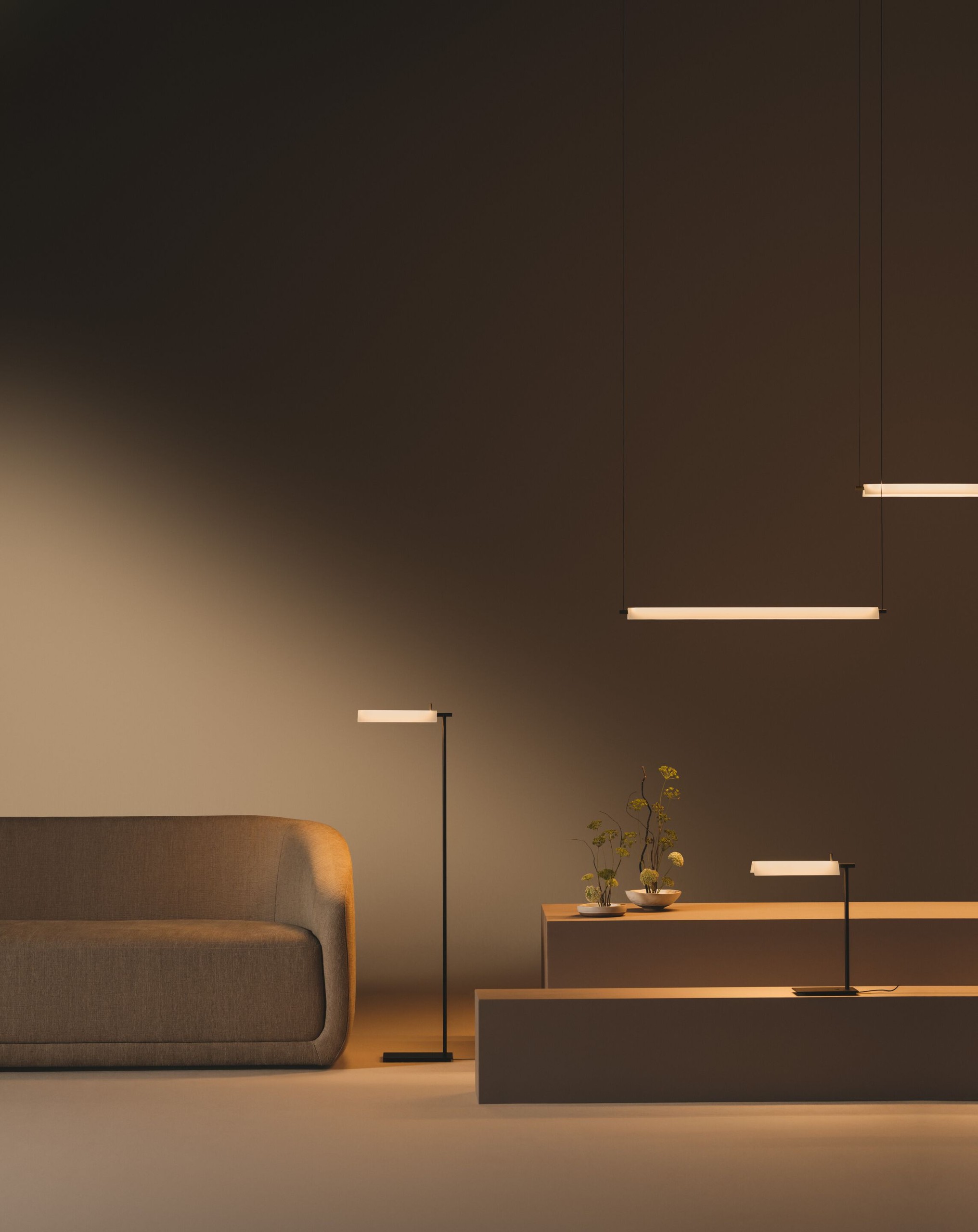
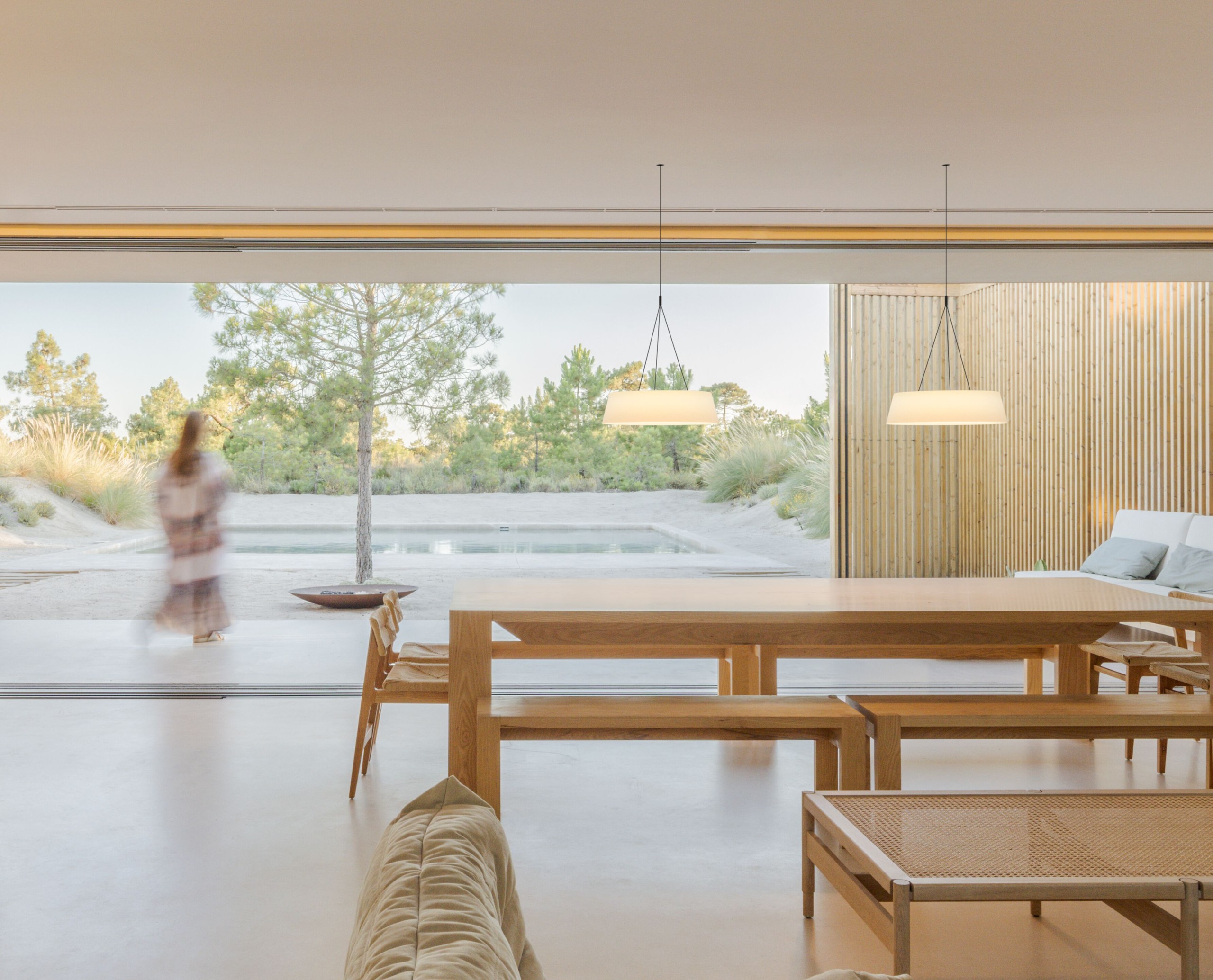
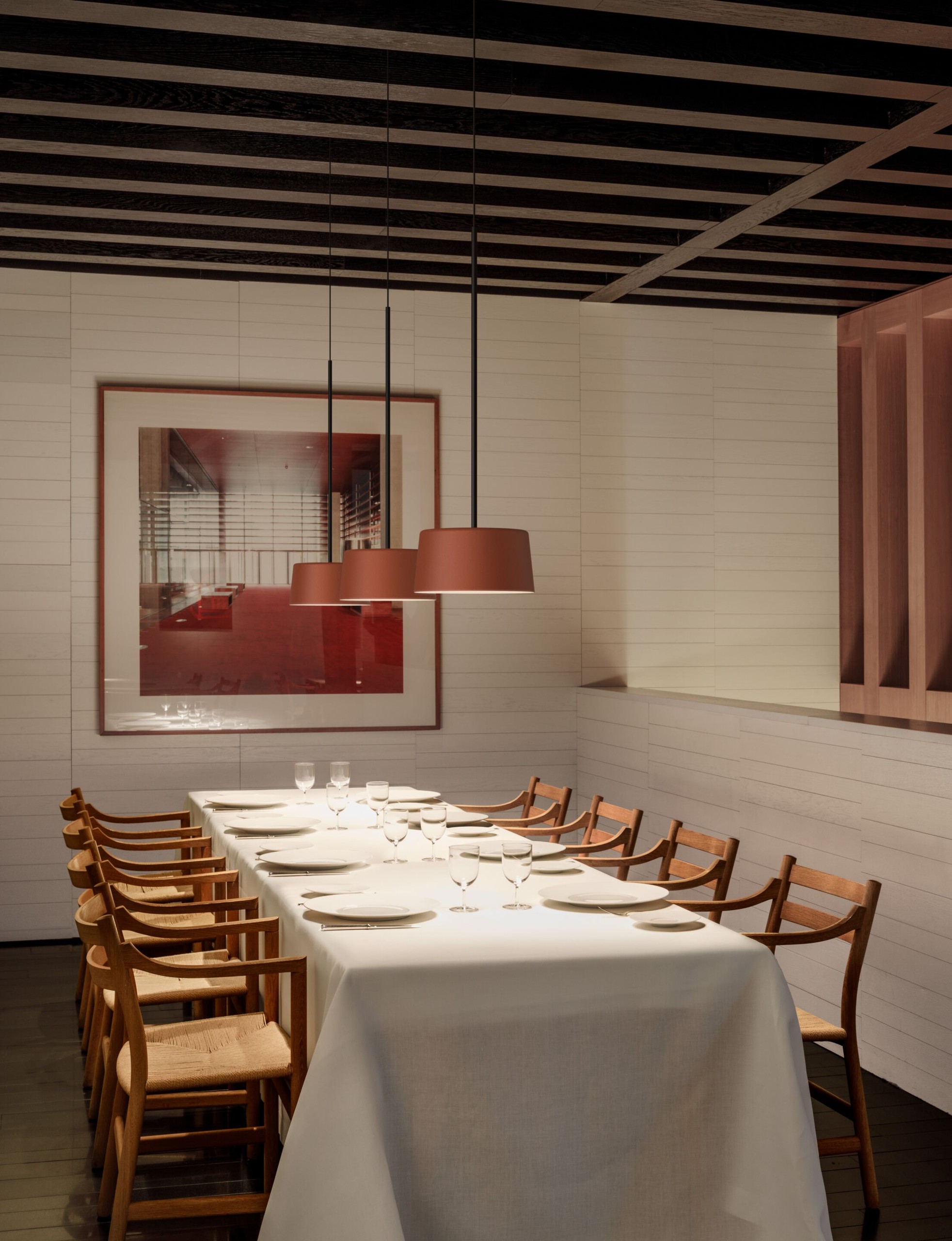
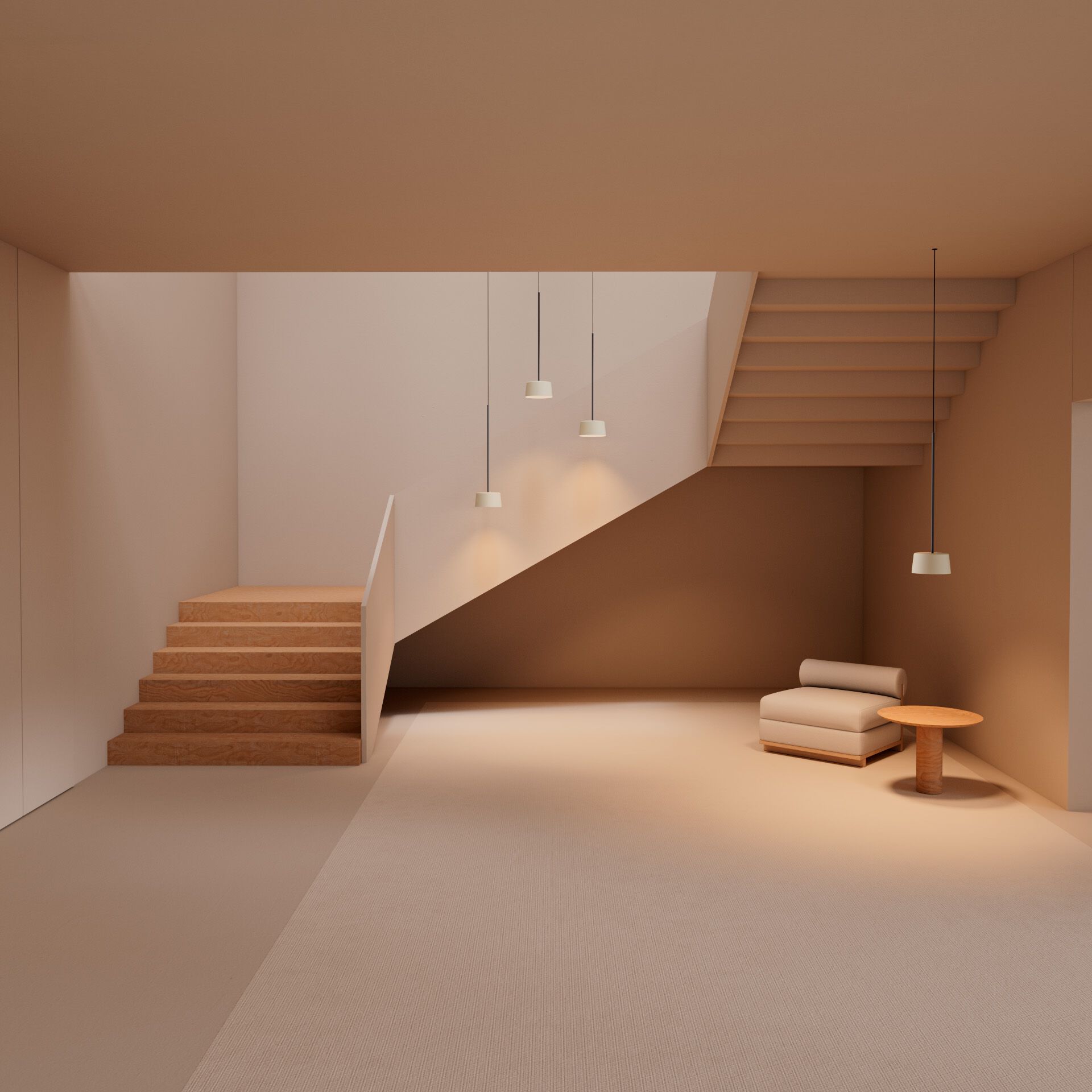
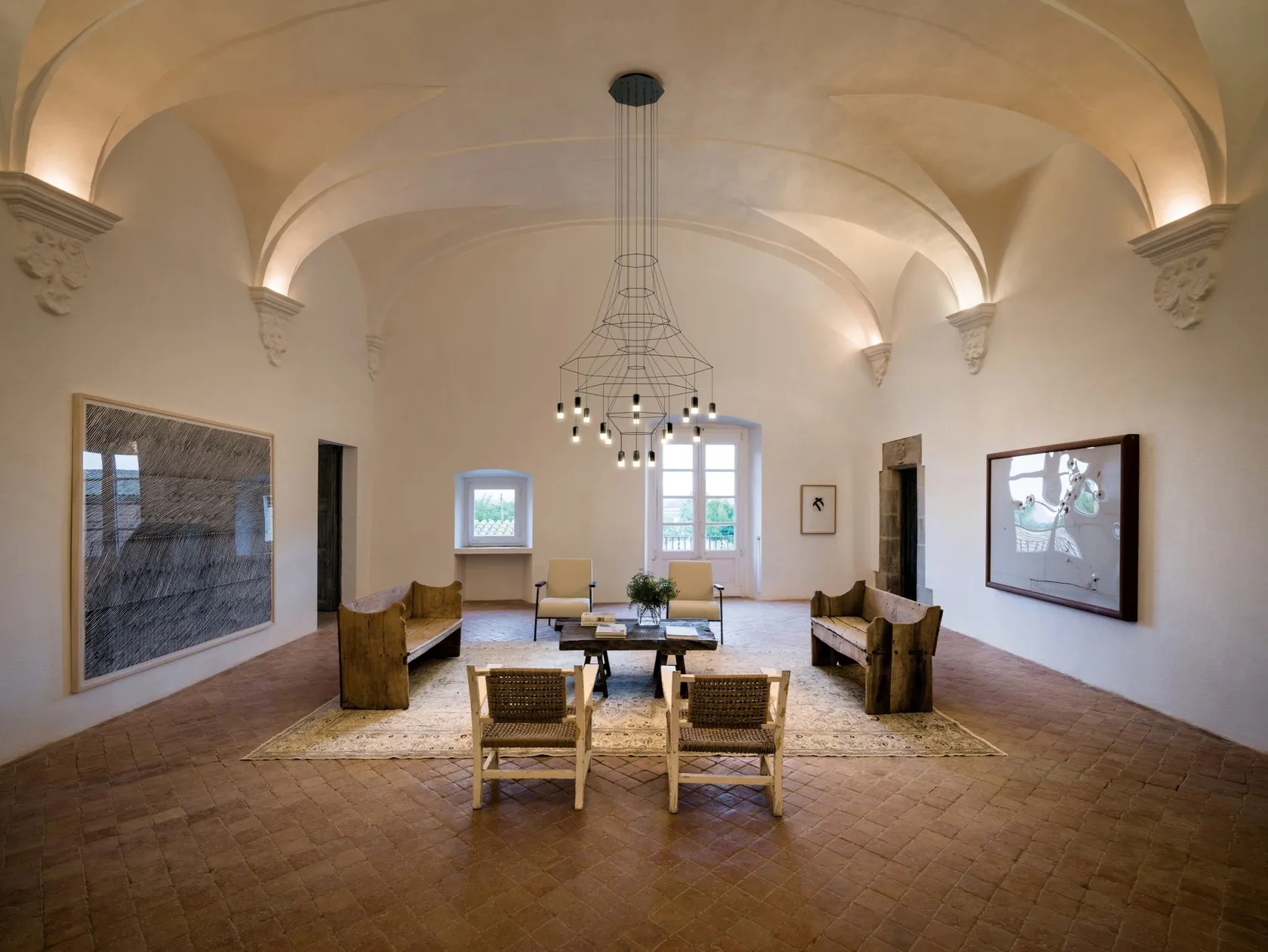
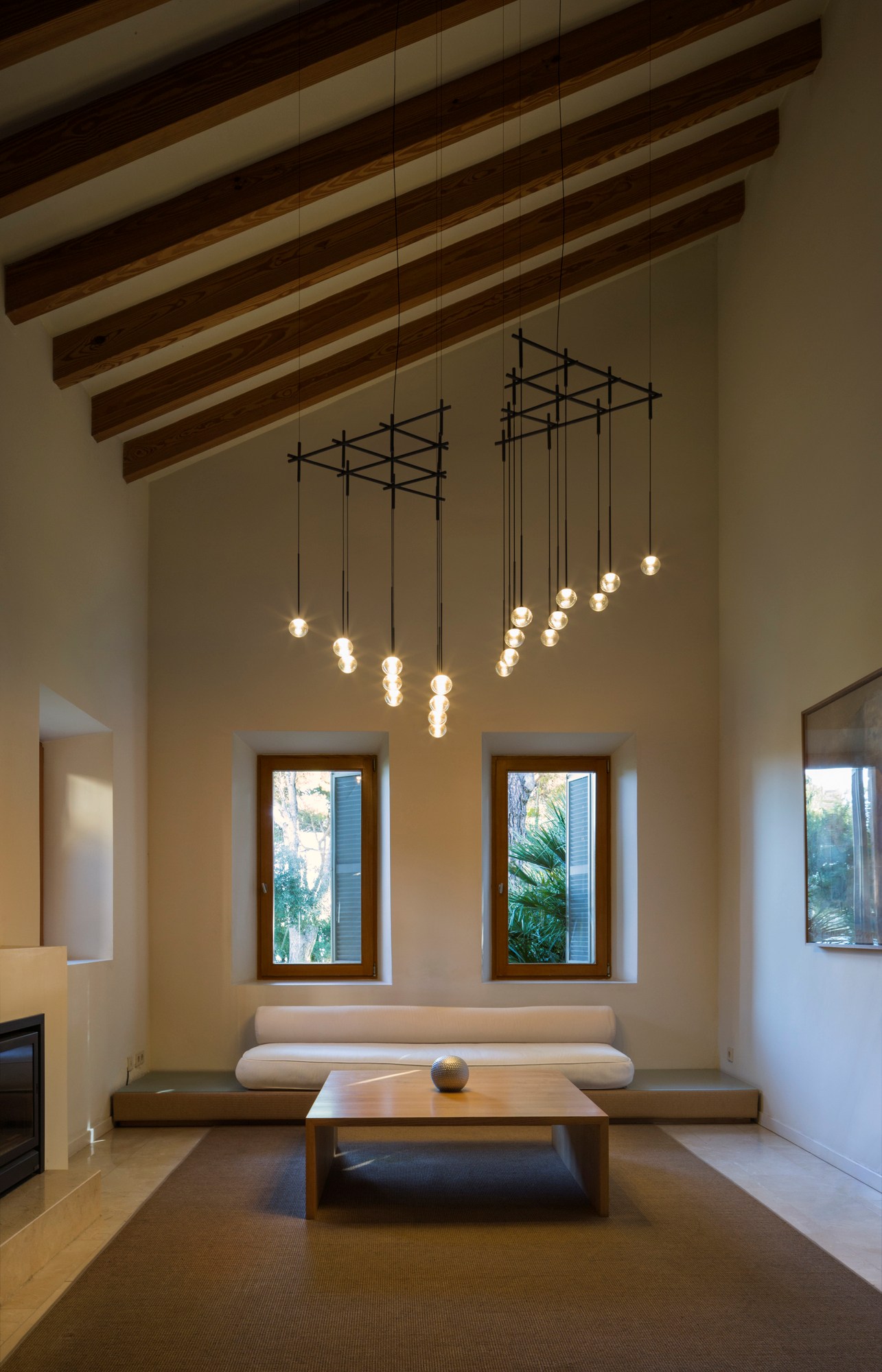
Its designs are rarely conceived as isolated objects. Suspended structures, modular elements and integrated systems allow light to follow the proportions and architecture of a particular space. A composition can remain almost weightless, become a sculptural focal point or establish rhythm across a large interior without overwhelming it.
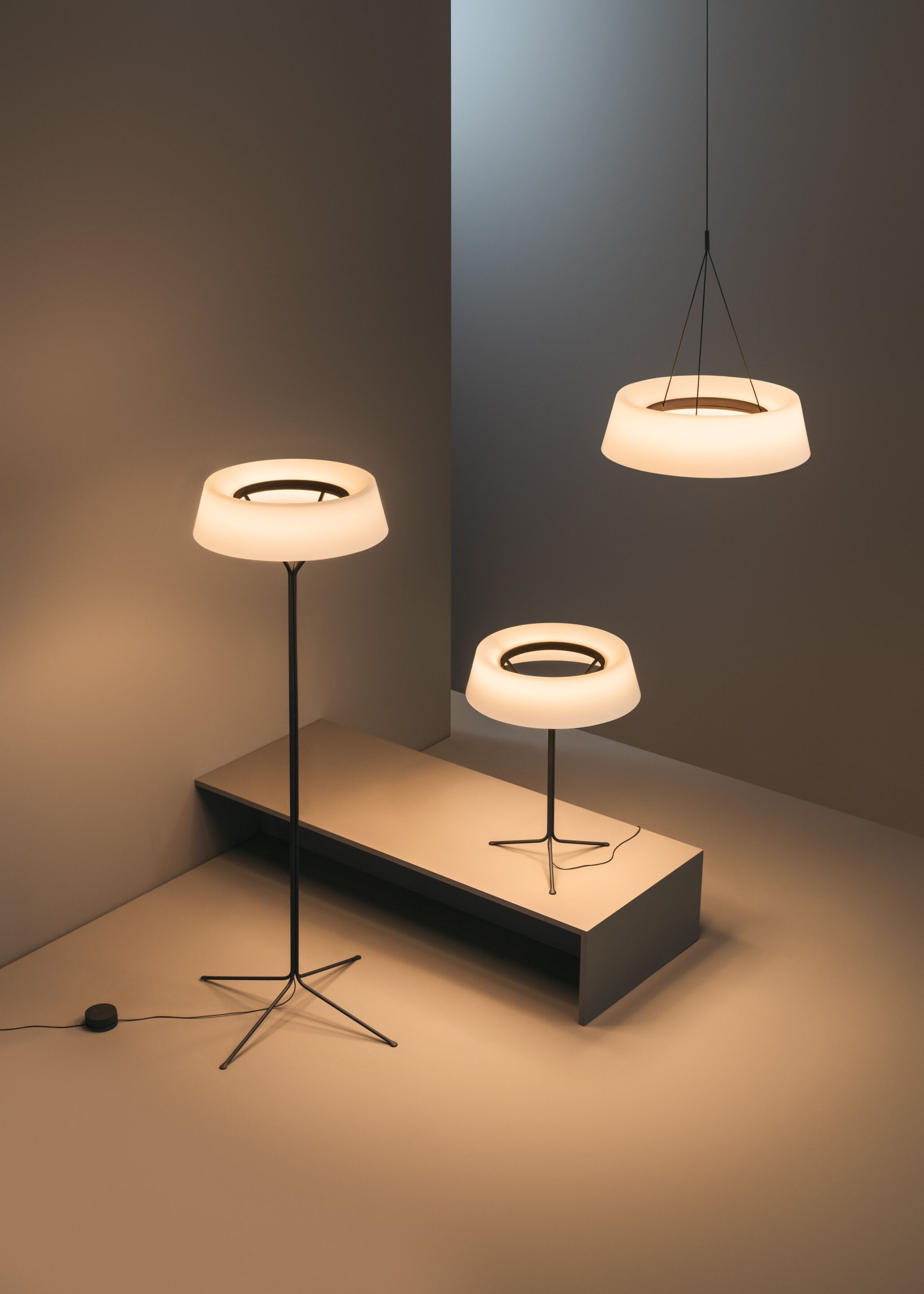
One of Vibia’s strongest distinctions is the degree of customisation built into its portfolio. Around 90% of its lighting systems can be adapted, allowing designers to adjust dimensions, finishes, suspension heights, orientation and the distribution of light. This transforms the catalogue into a flexible design vocabulary rather than a collection of fixed decorative objects.
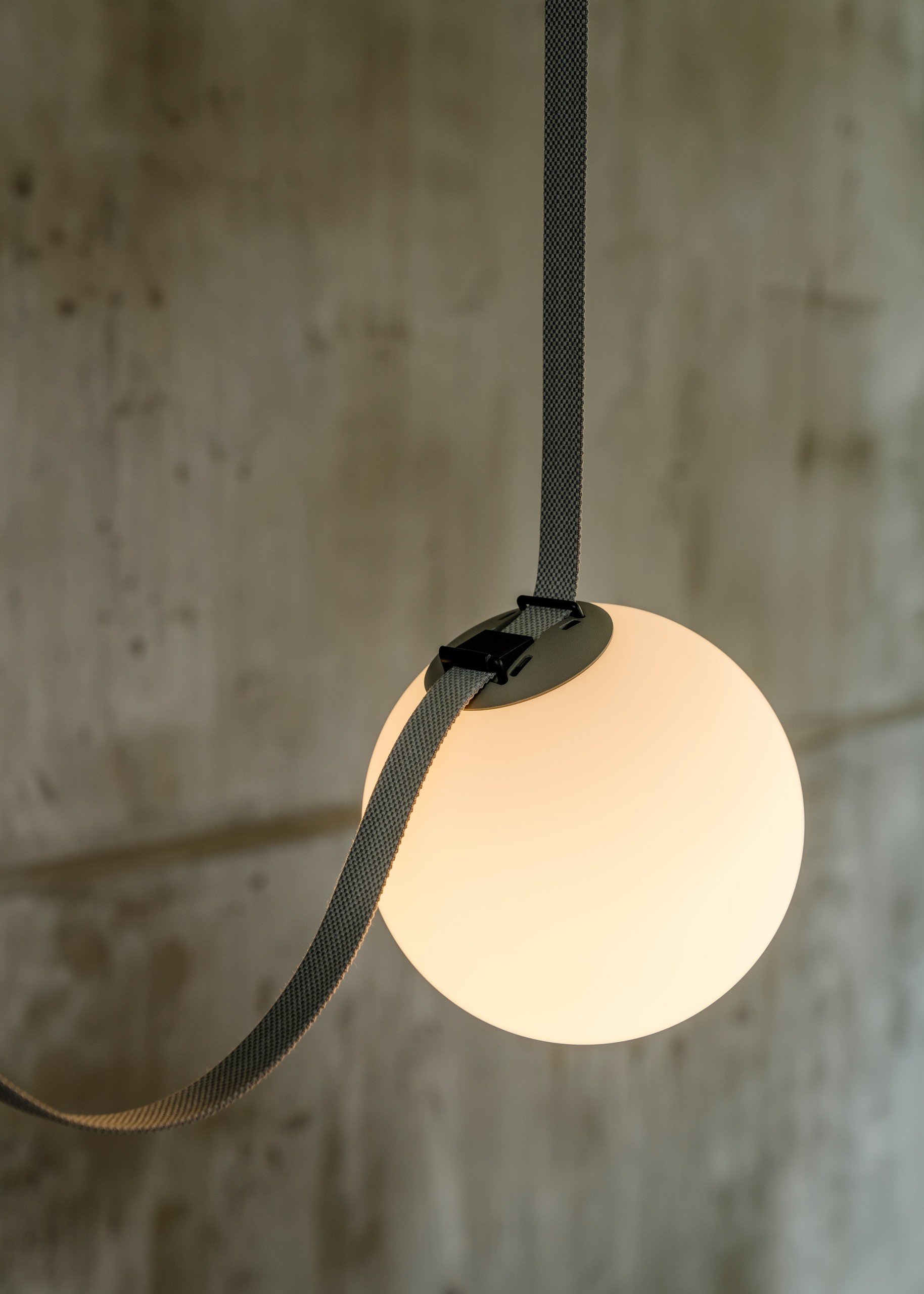
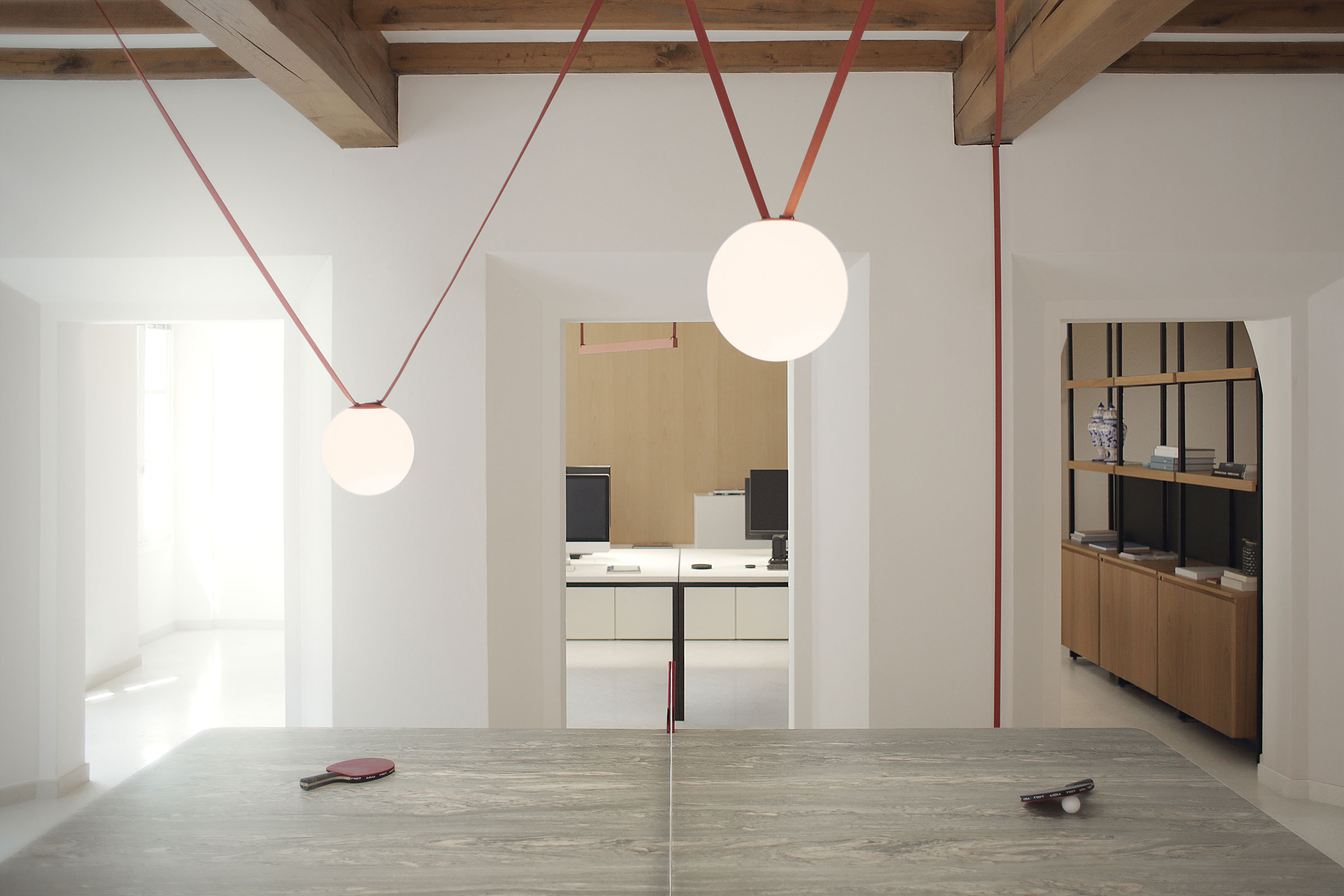
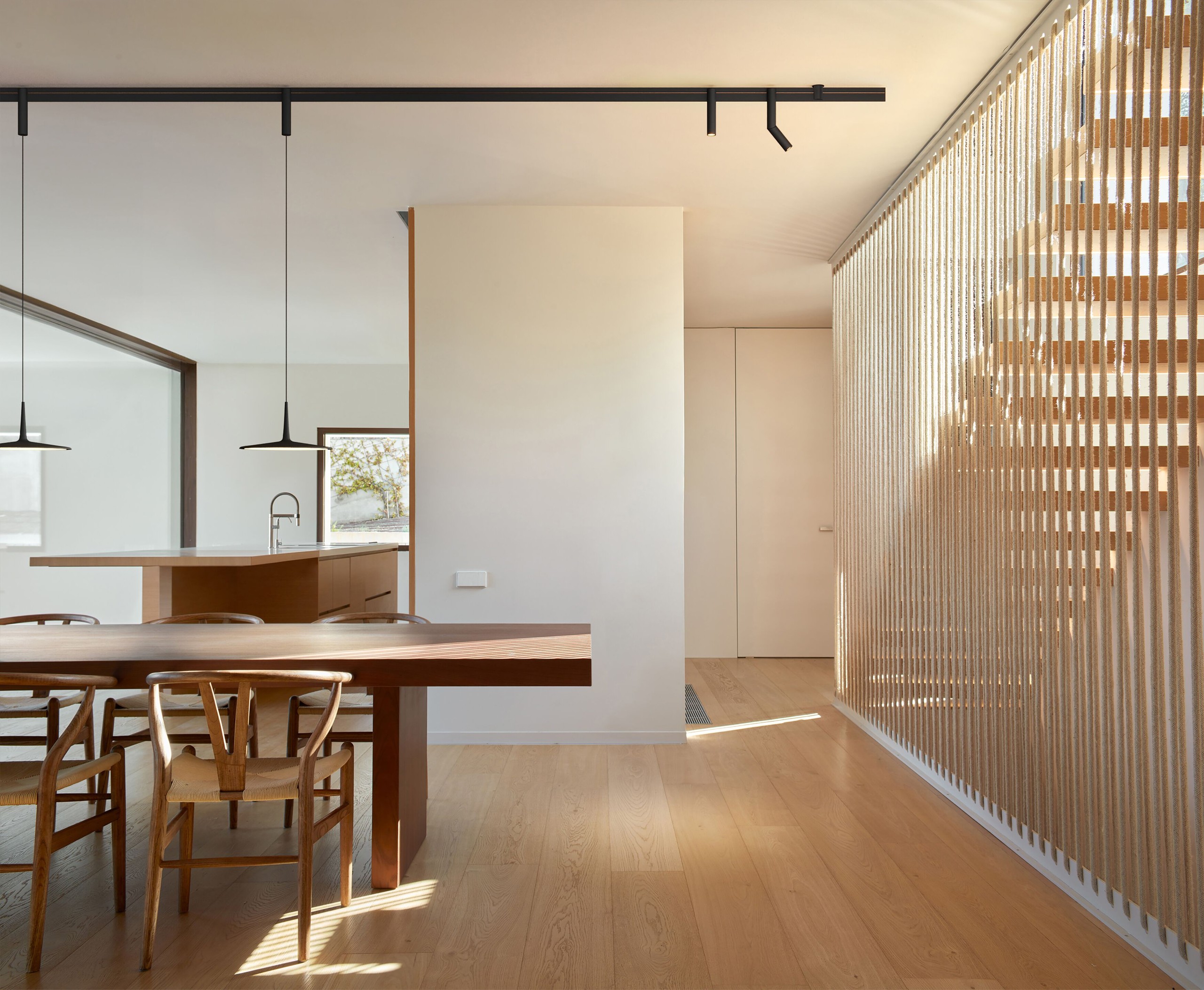
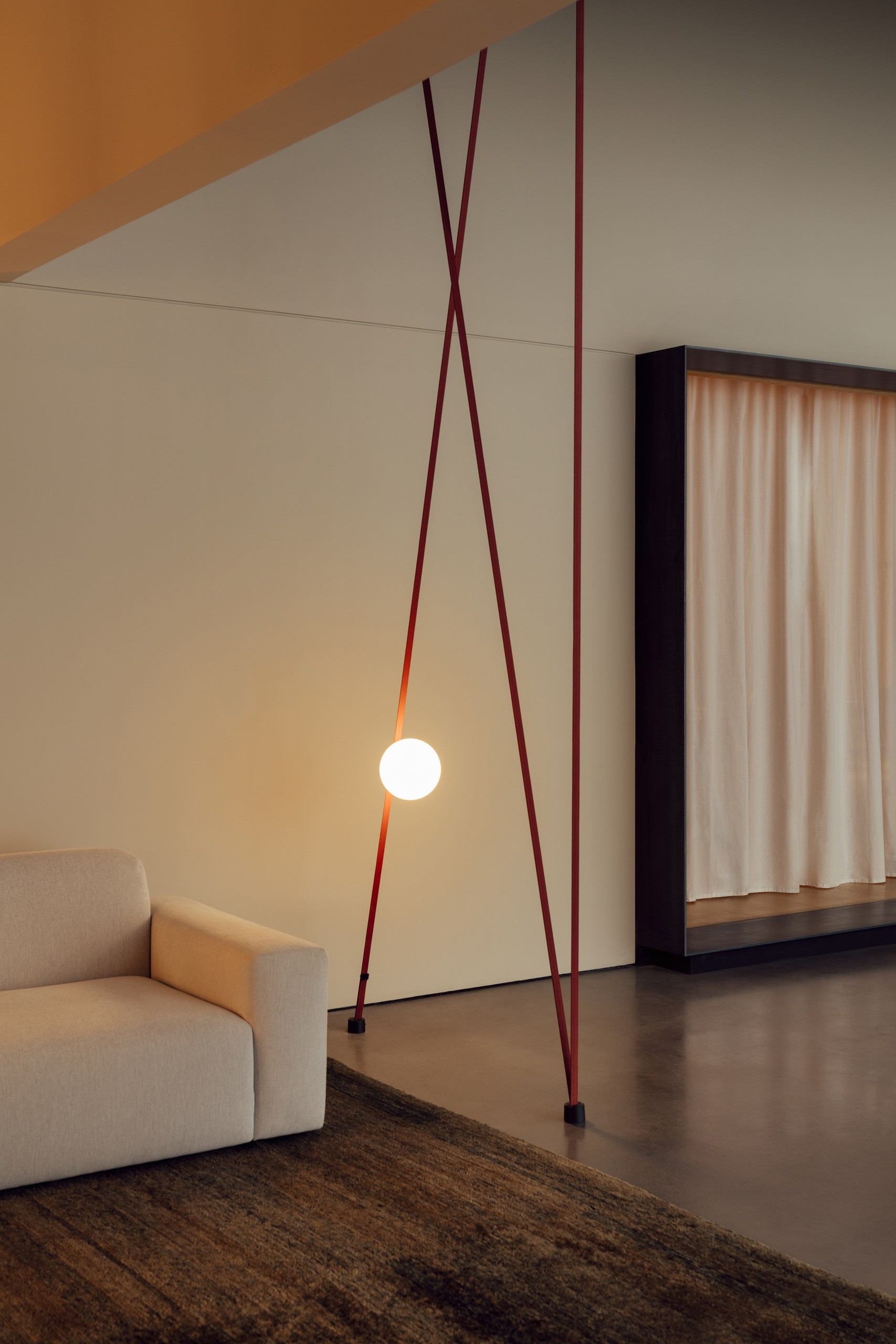
The company also explores new ways of carrying and positioning light. Selected systems replace the conventional lighting track with conductive textile structures, allowing luminaires to be placed freely along a suspended ribbon. Technology becomes part of the architectural composition while remaining visually restrained.
This freedom is supported by a developed professional platform. Designers can build individual configurations, generate product schedules and access technical files, photometric information and 3D formats for integration into the project. Vibia’s team can remain involved from the initial composition and lighting calculation through specification, installation and final use.
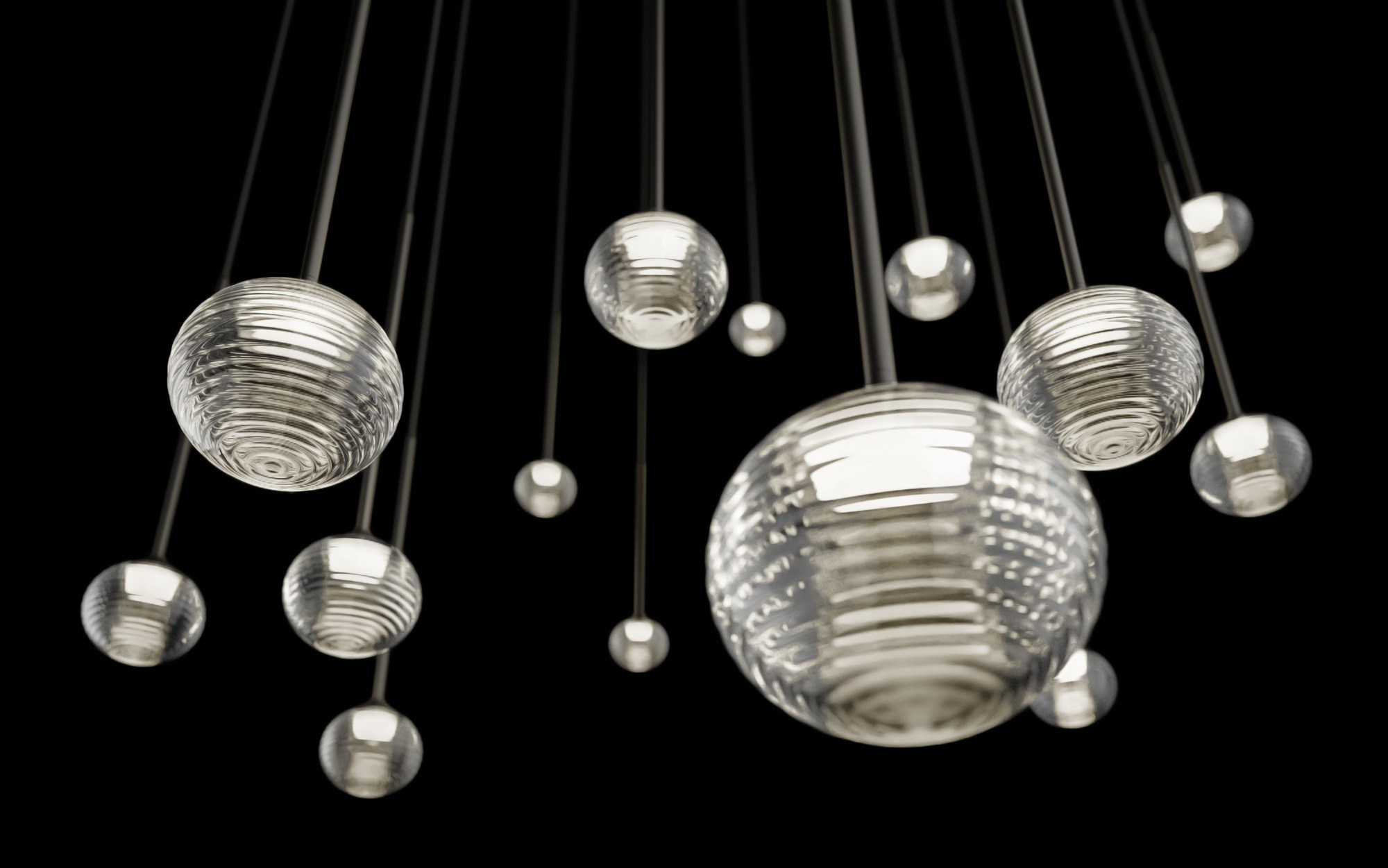
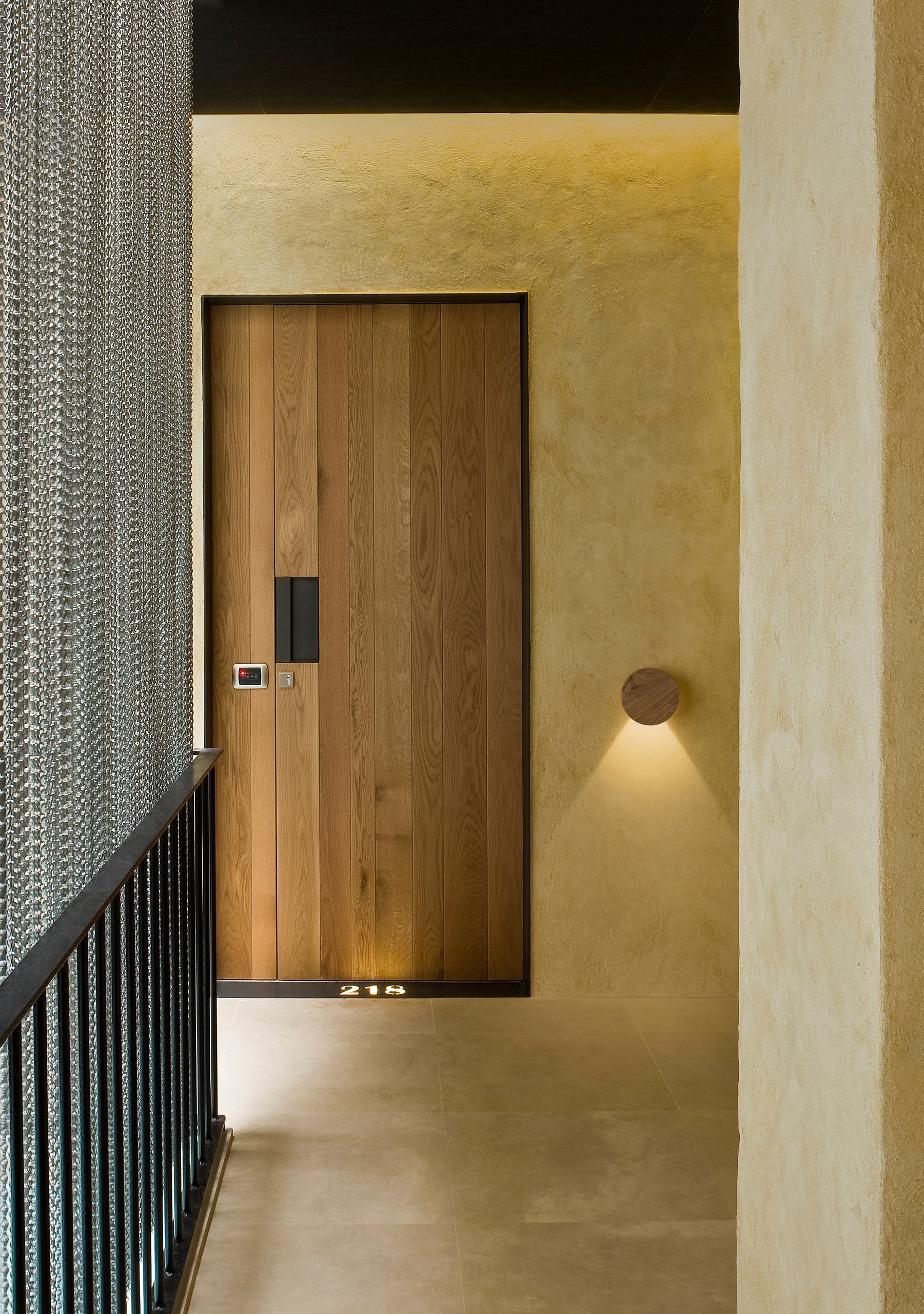
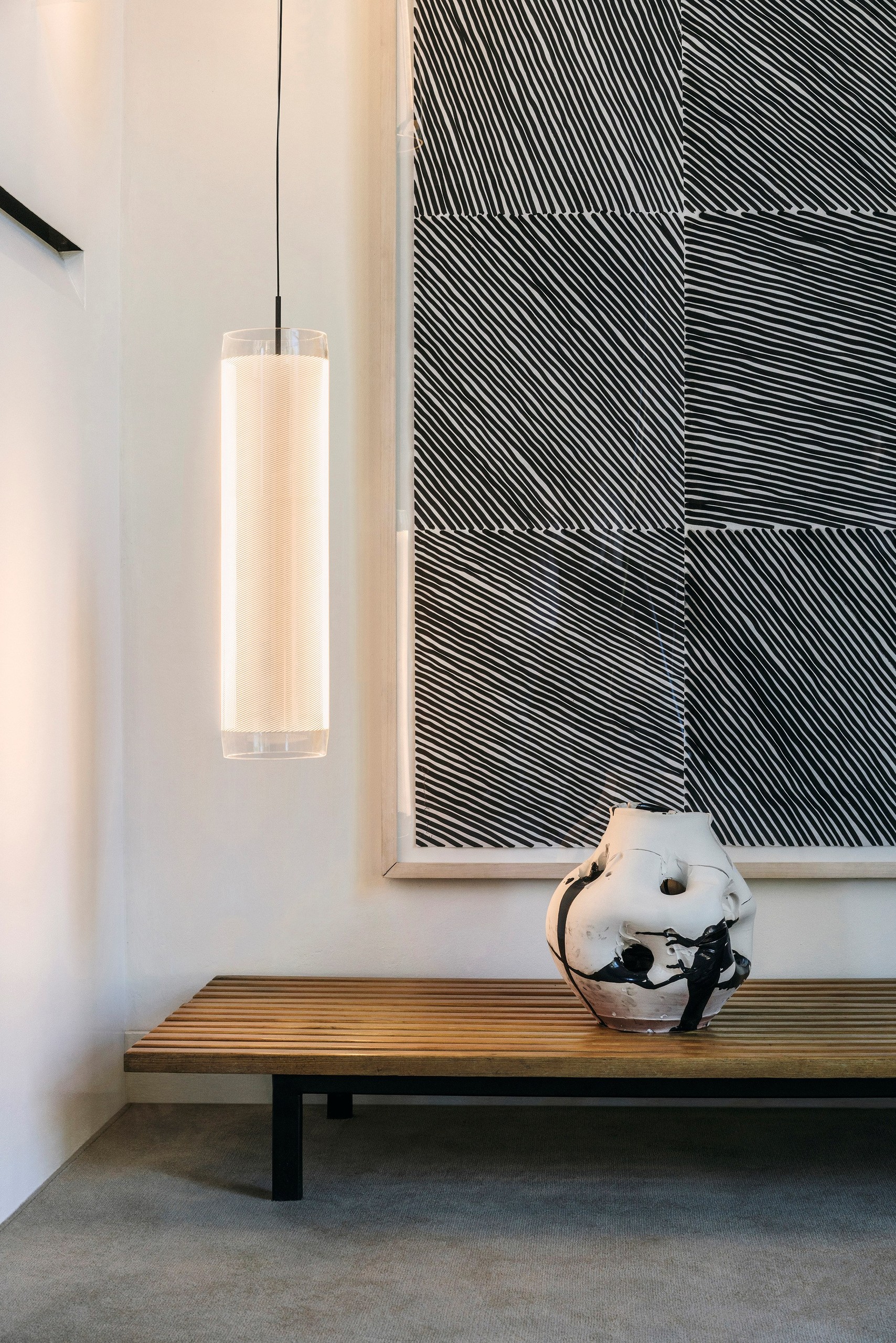
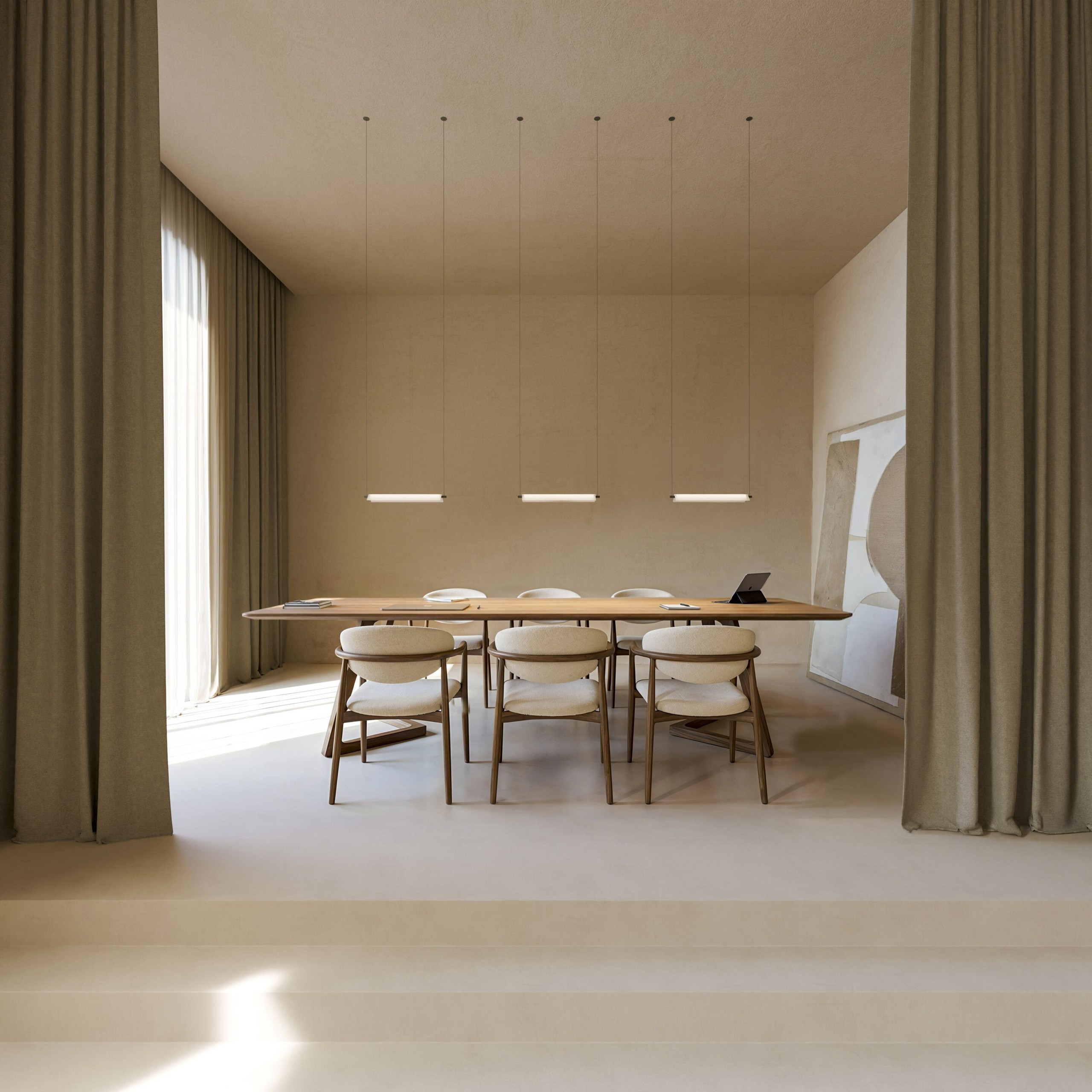
The quality of light itself remains central. Diffusion, indirect illumination, glare control and the relationship between light and material are carefully considered, while selected products support DALI-2, Casambi and other dimming systems. This balance between atmosphere and control makes the range equally relevant to private residences, hospitality interiors, workplaces and larger contract projects.
Collaborations with designers including Arik Levy, Antoni Arola, Lievore Altherr, Ichiro Iwasaki, Sebastian Herkner and Note Design Studio introduce different formal languages without fragmenting the identity of the portfolio. Across these collaborations, technology is generally concealed and the luminaire is designed to enter into a quiet dialogue with the surrounding architecture.
Vibia’s strength lies in combining expressive design with genuine freedom of configuration. Rather than simply placing luminaires within a finished interior, it enables architects and designers to compose the space itself through light.
Founded in 1987 | Spain | Headquarters: Gavà, Barcelona