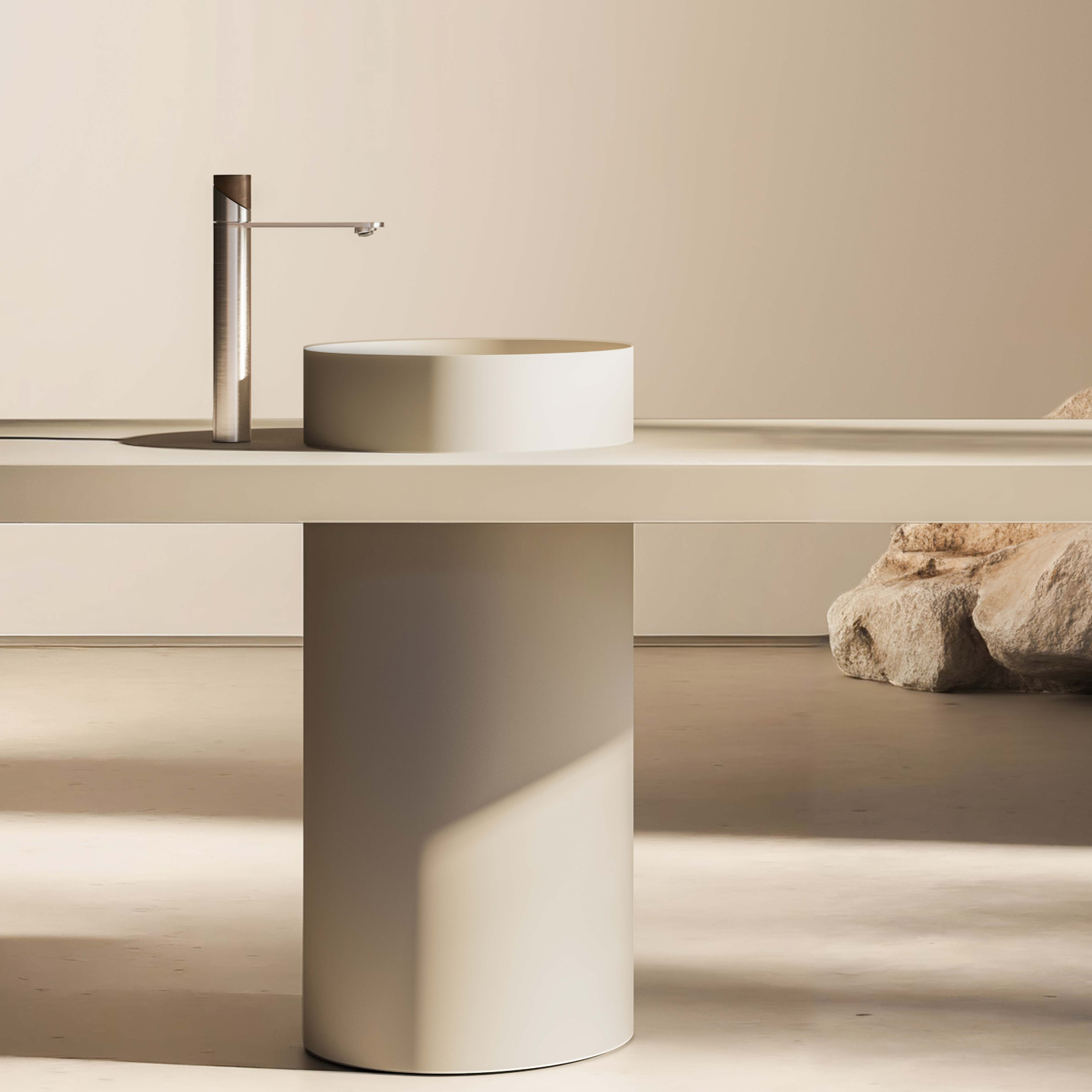
Porcelain surfaces developed from the worktop outwards
SapienStone was created around a specific idea: to bring the technical performance of porcelain to kitchen worktops and furniture without reducing the material to an imitation of stone. Part of Iris Ceramica Group, the brand combines large-format production, advanced ceramic research and a design language developed specifically for the way contemporary interiors are built and used.
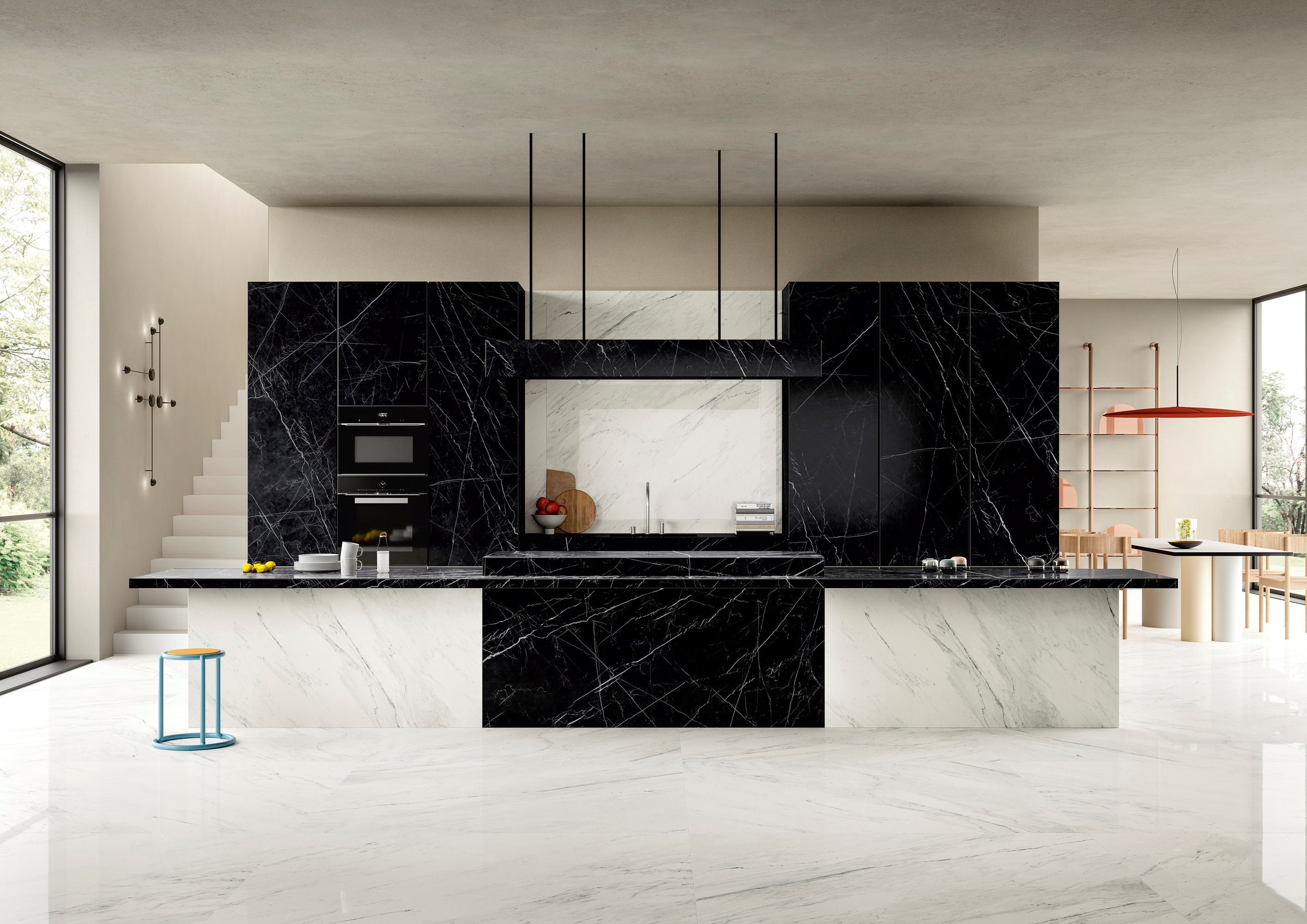
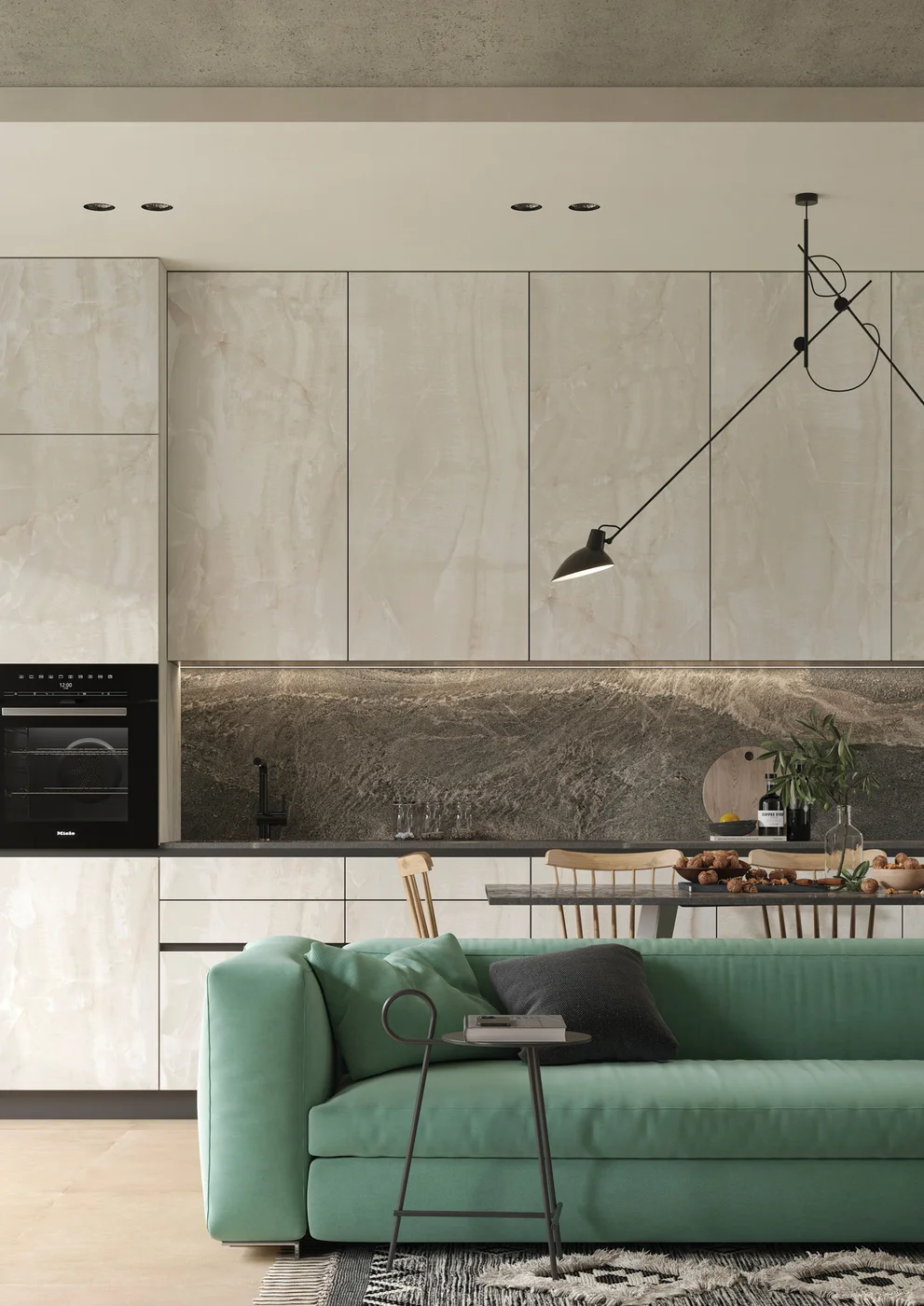
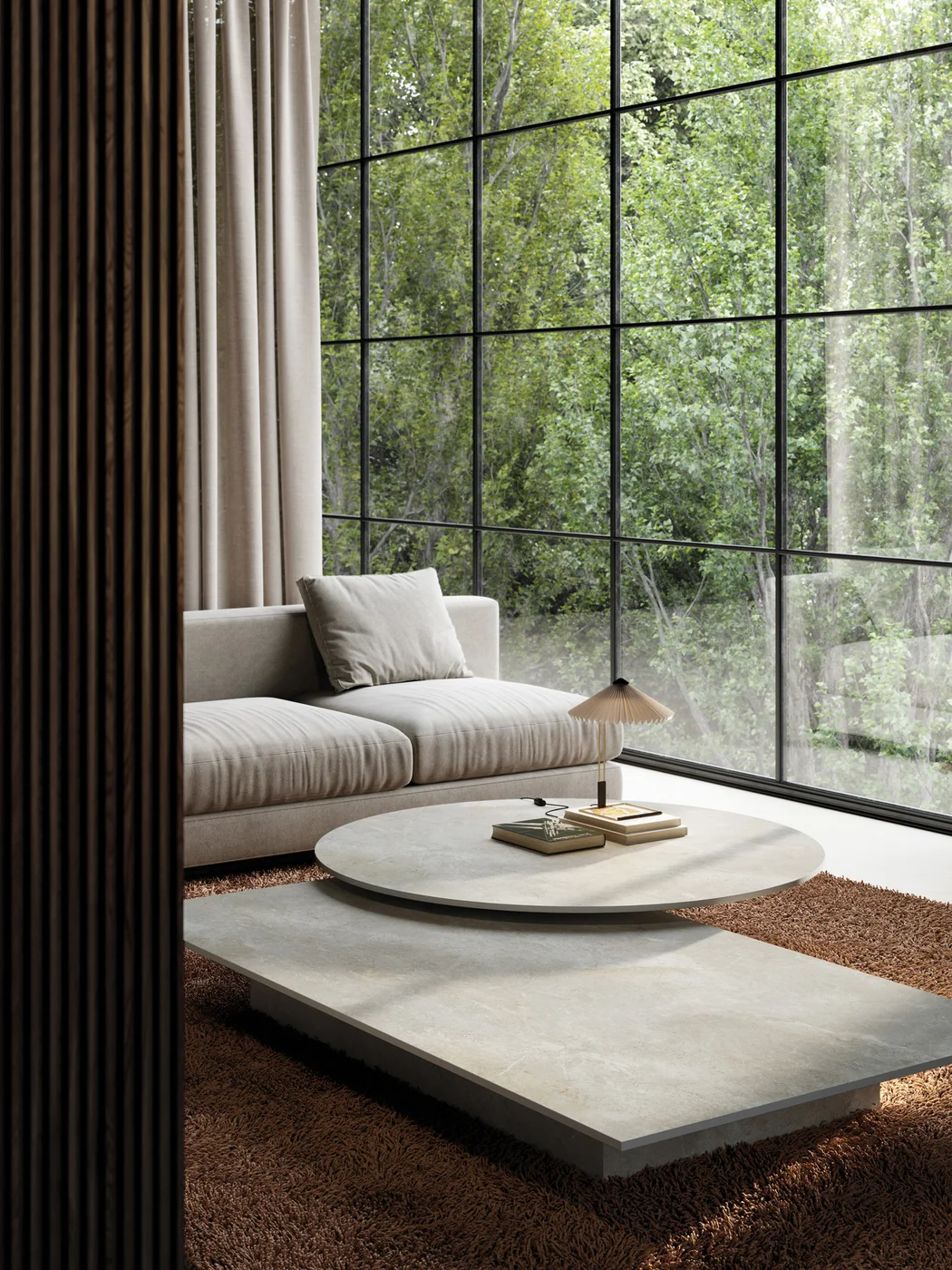
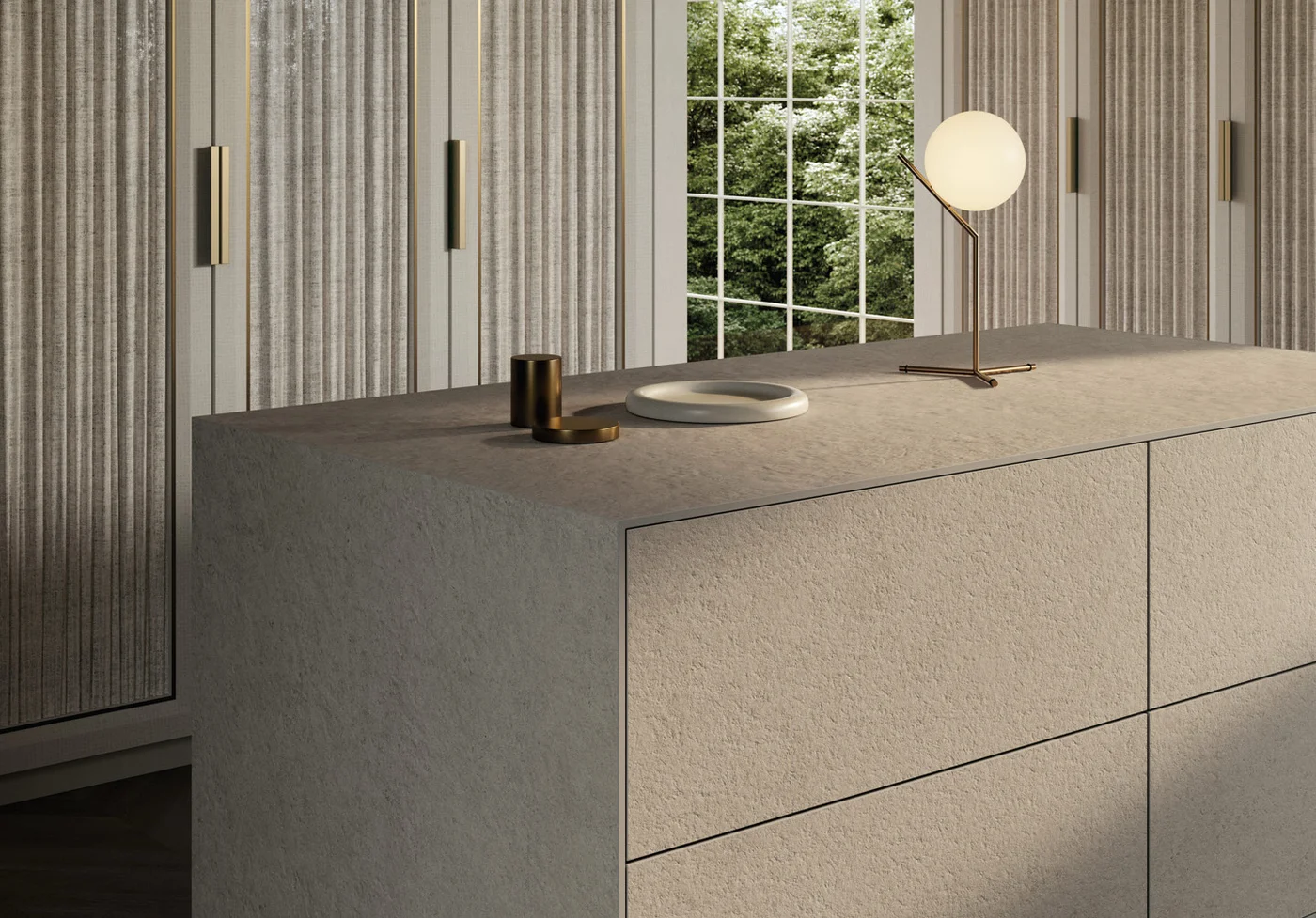
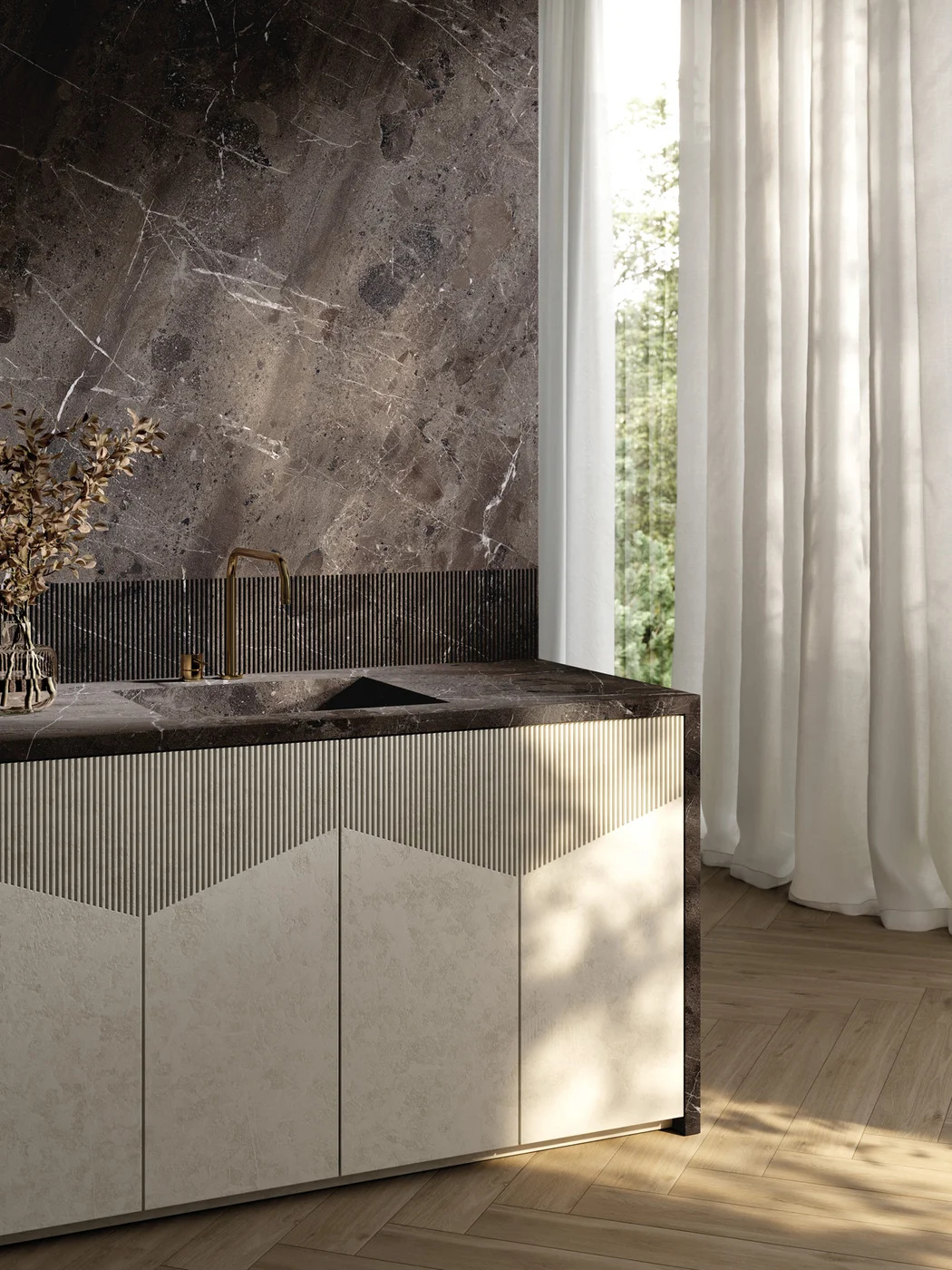
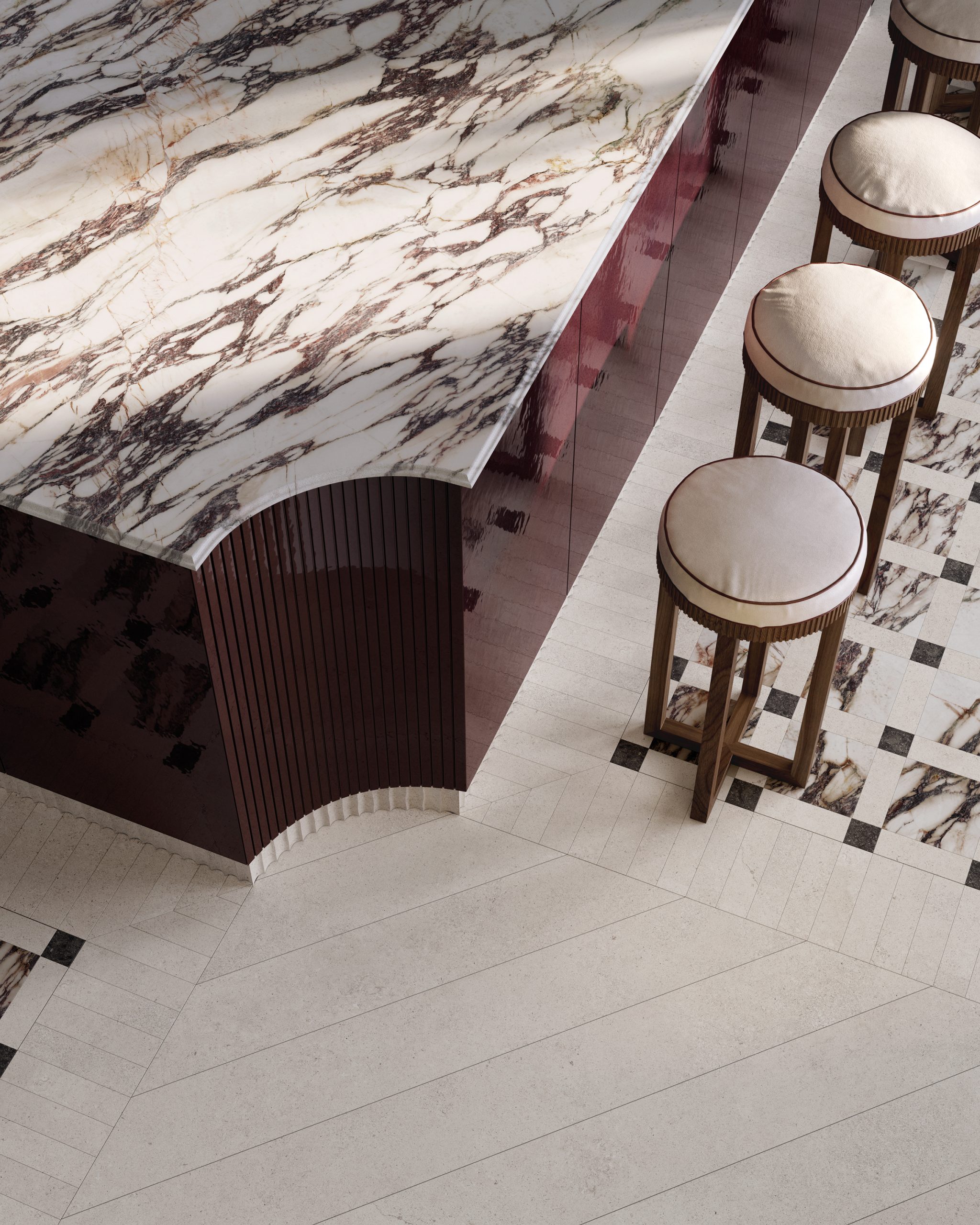
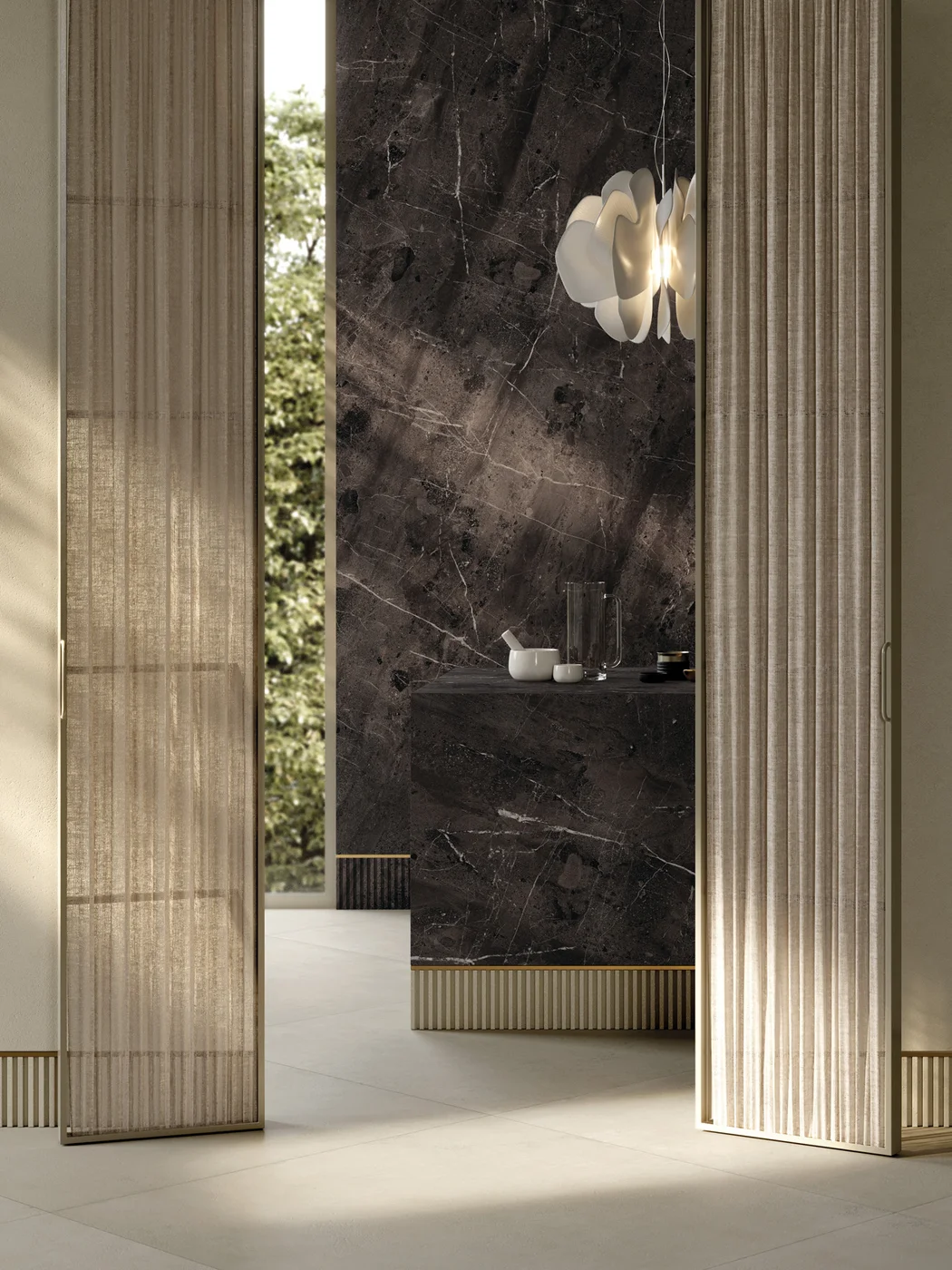
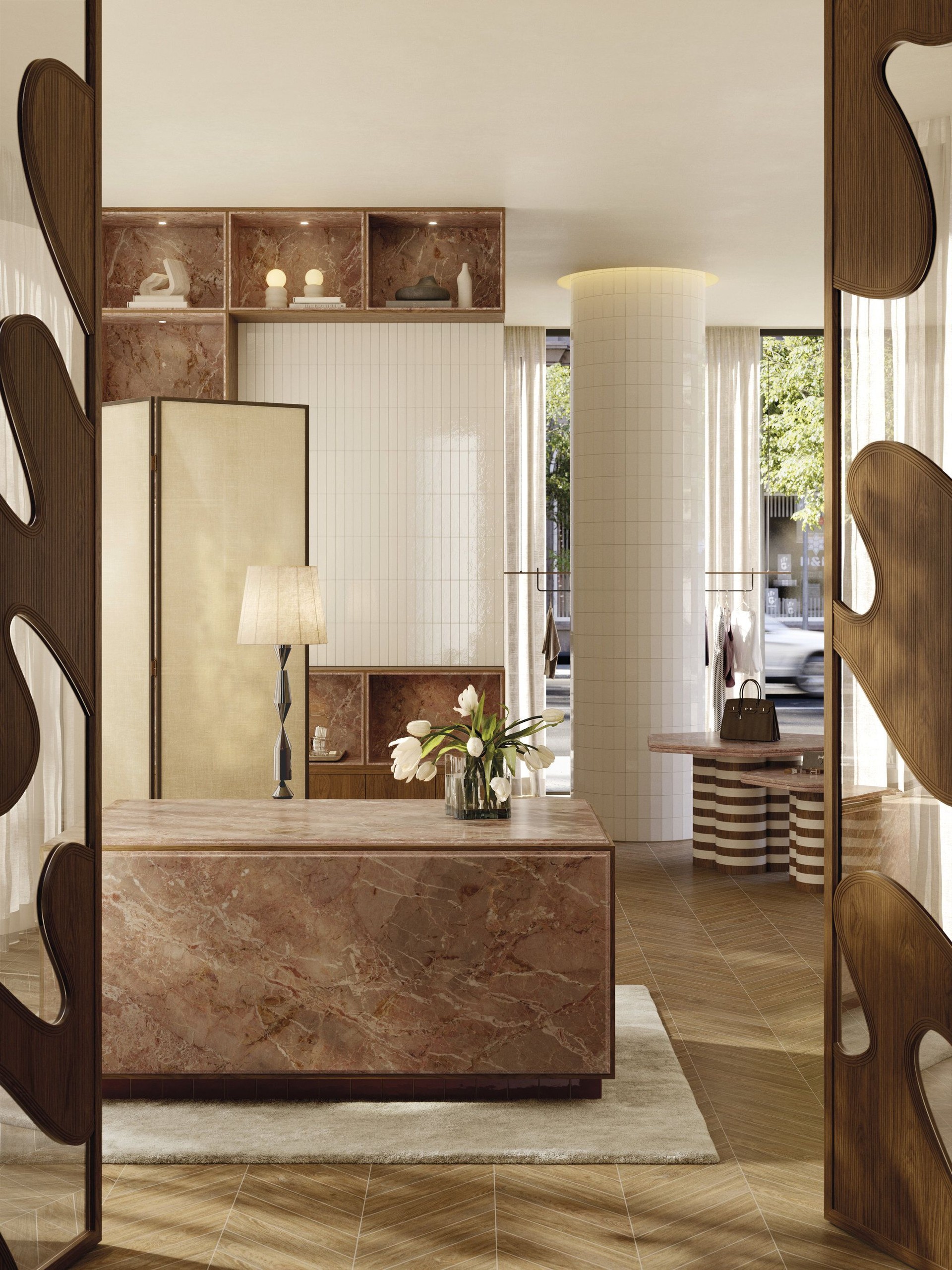
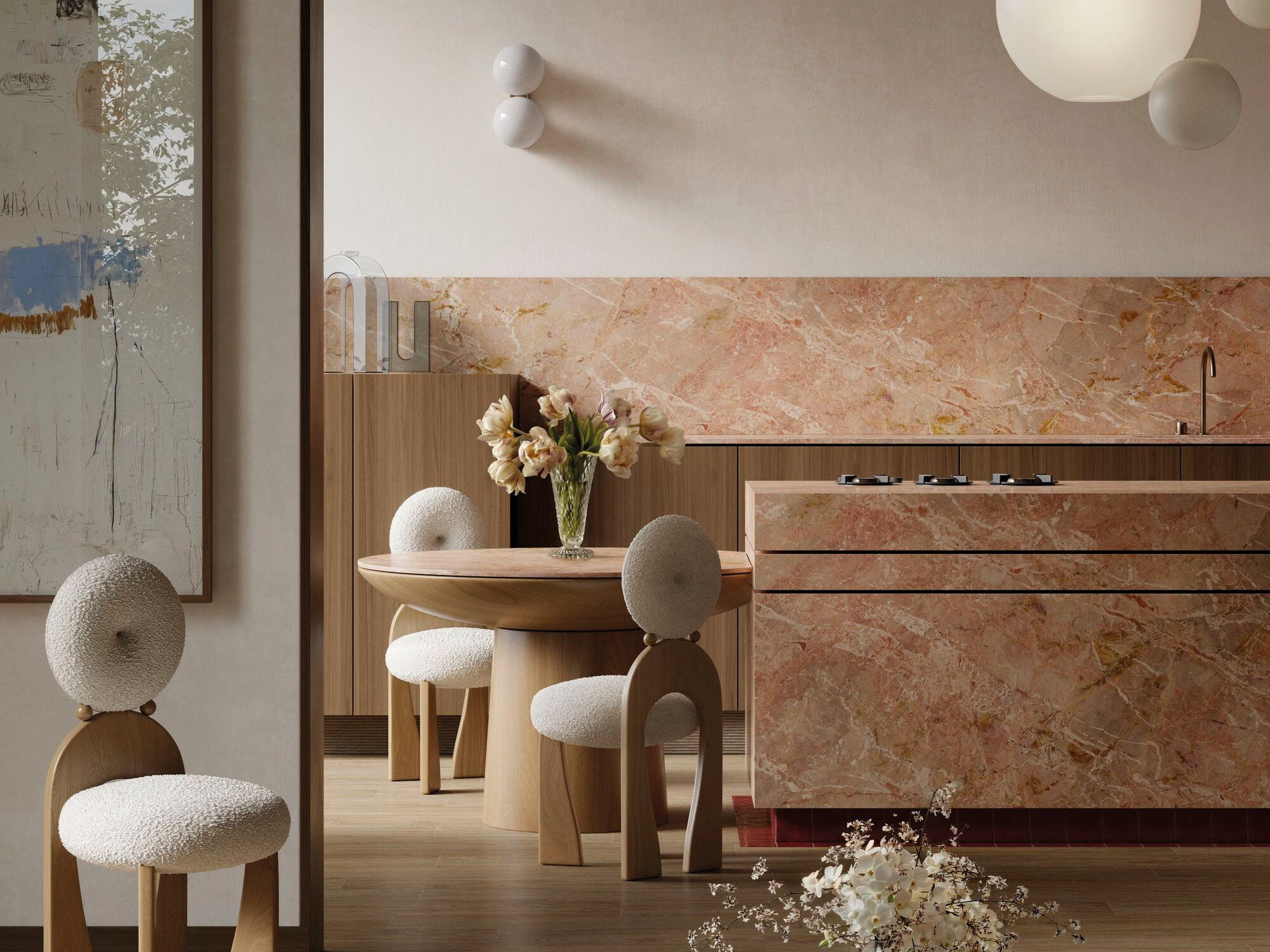
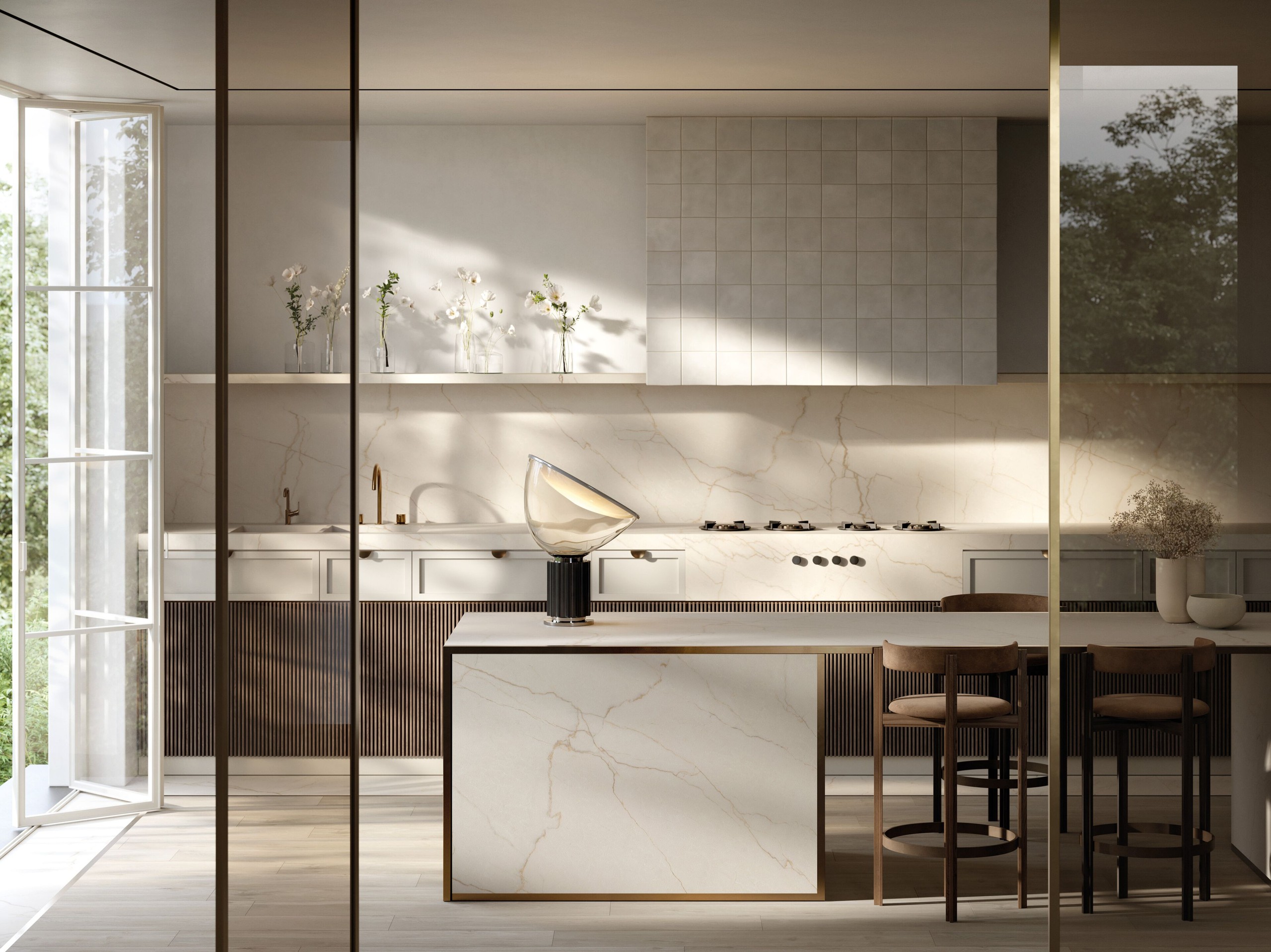
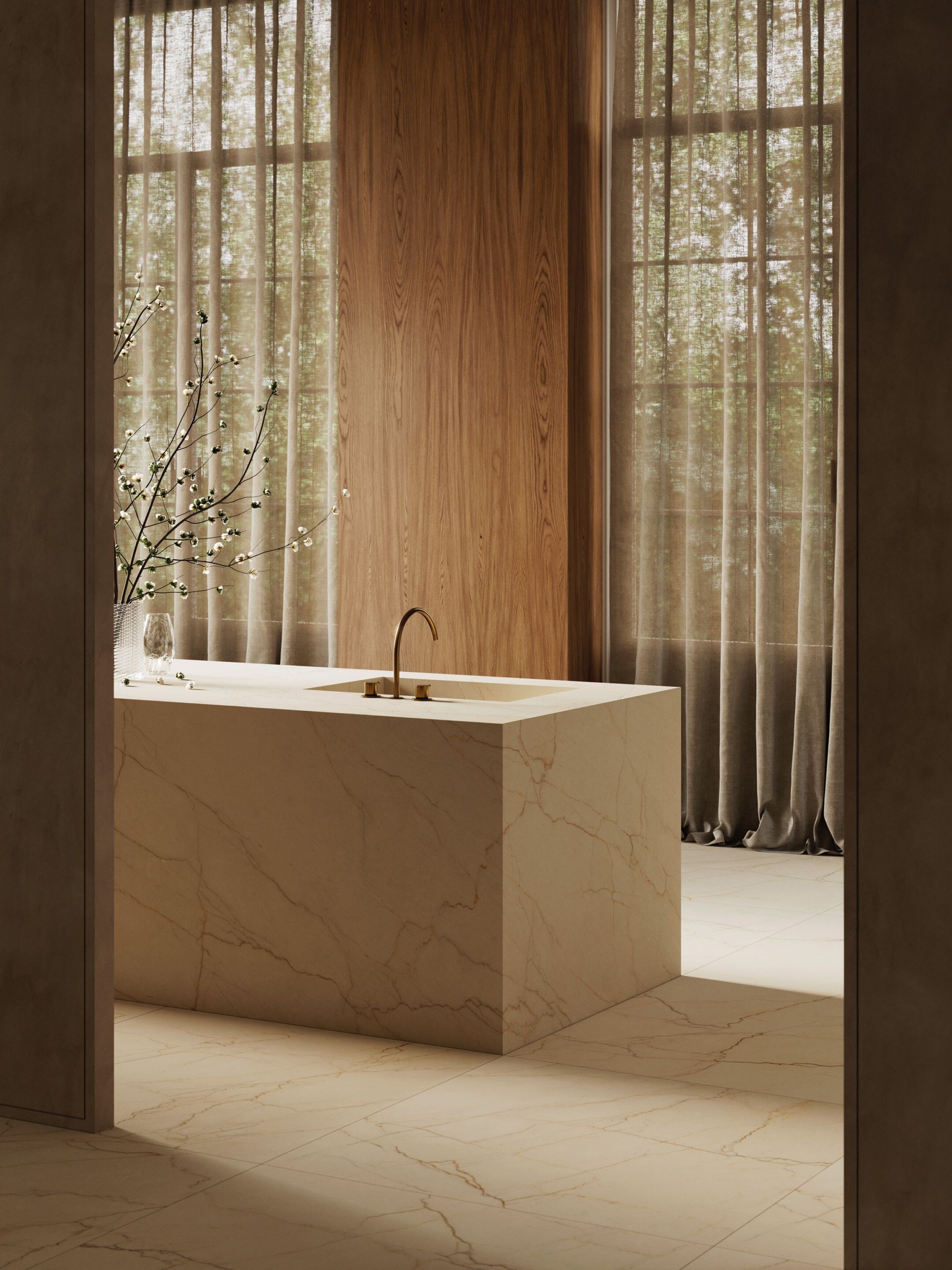
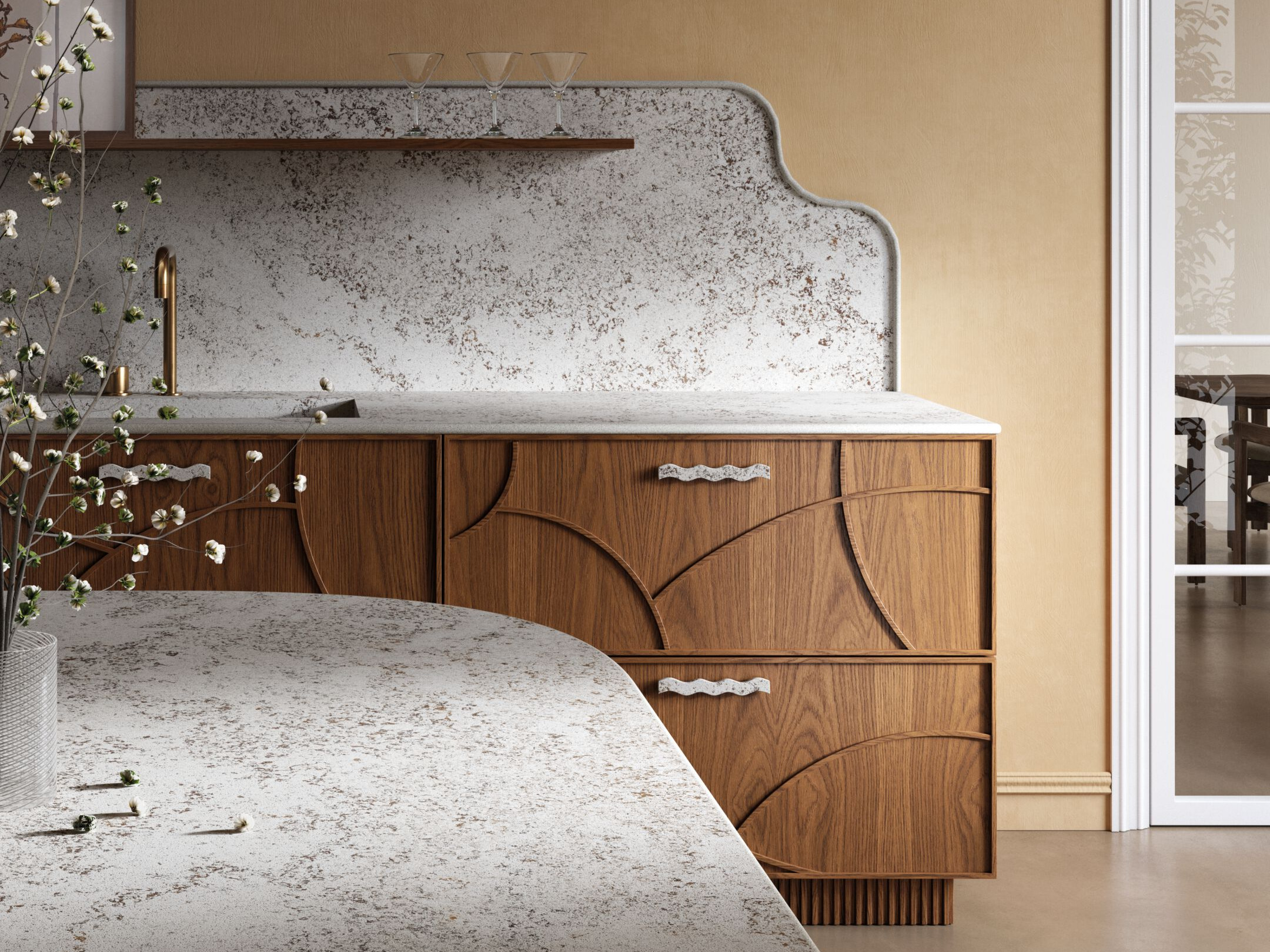
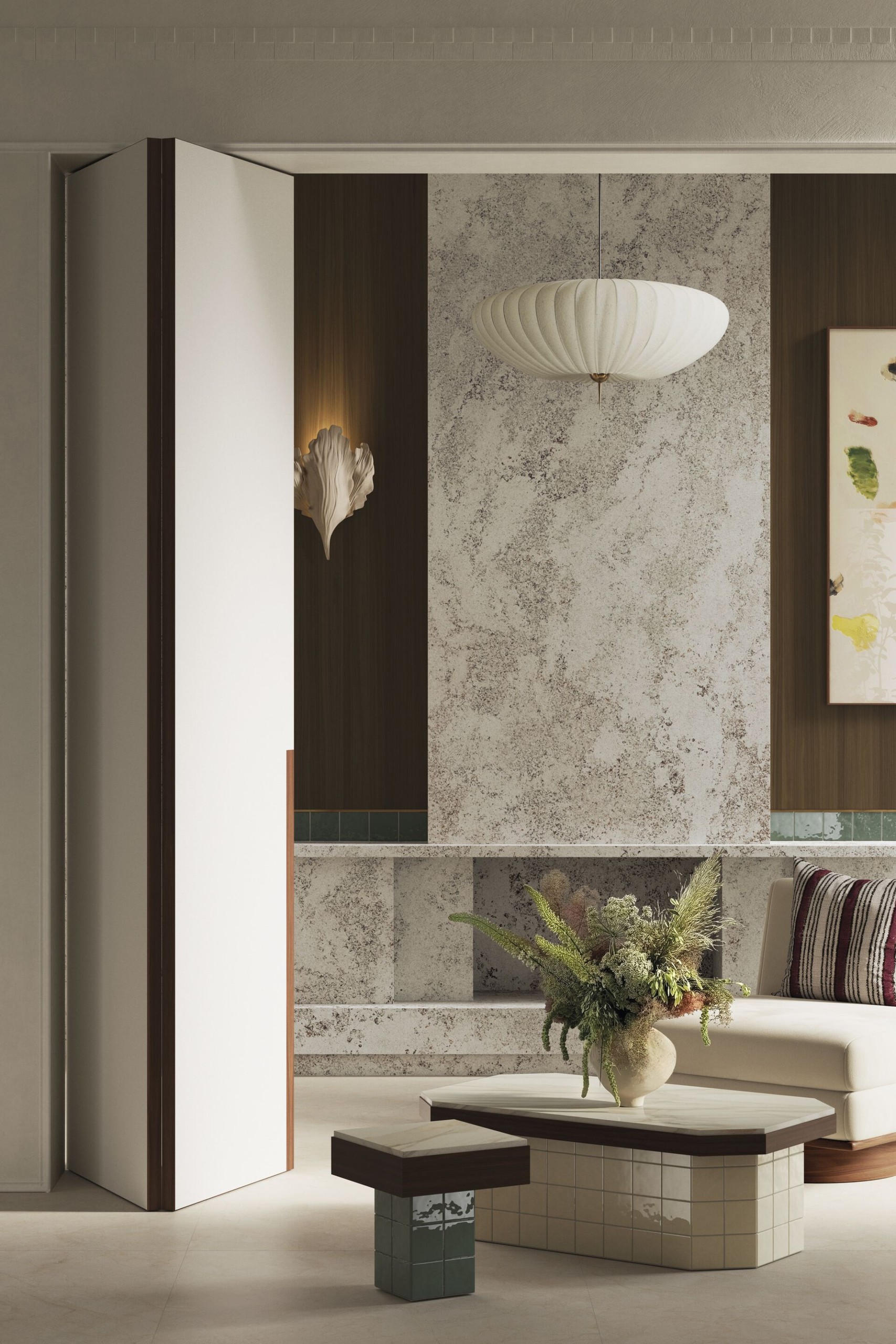
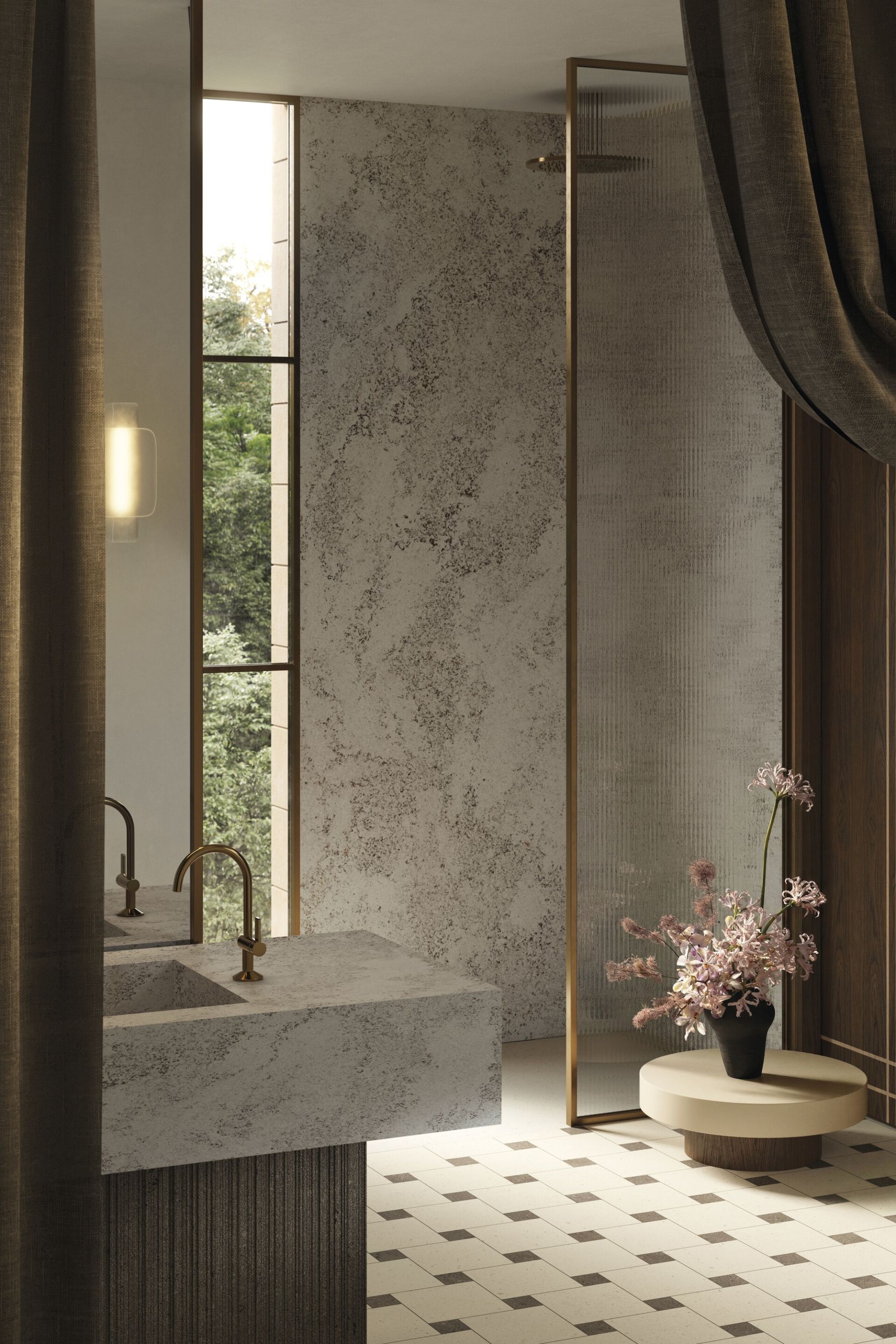
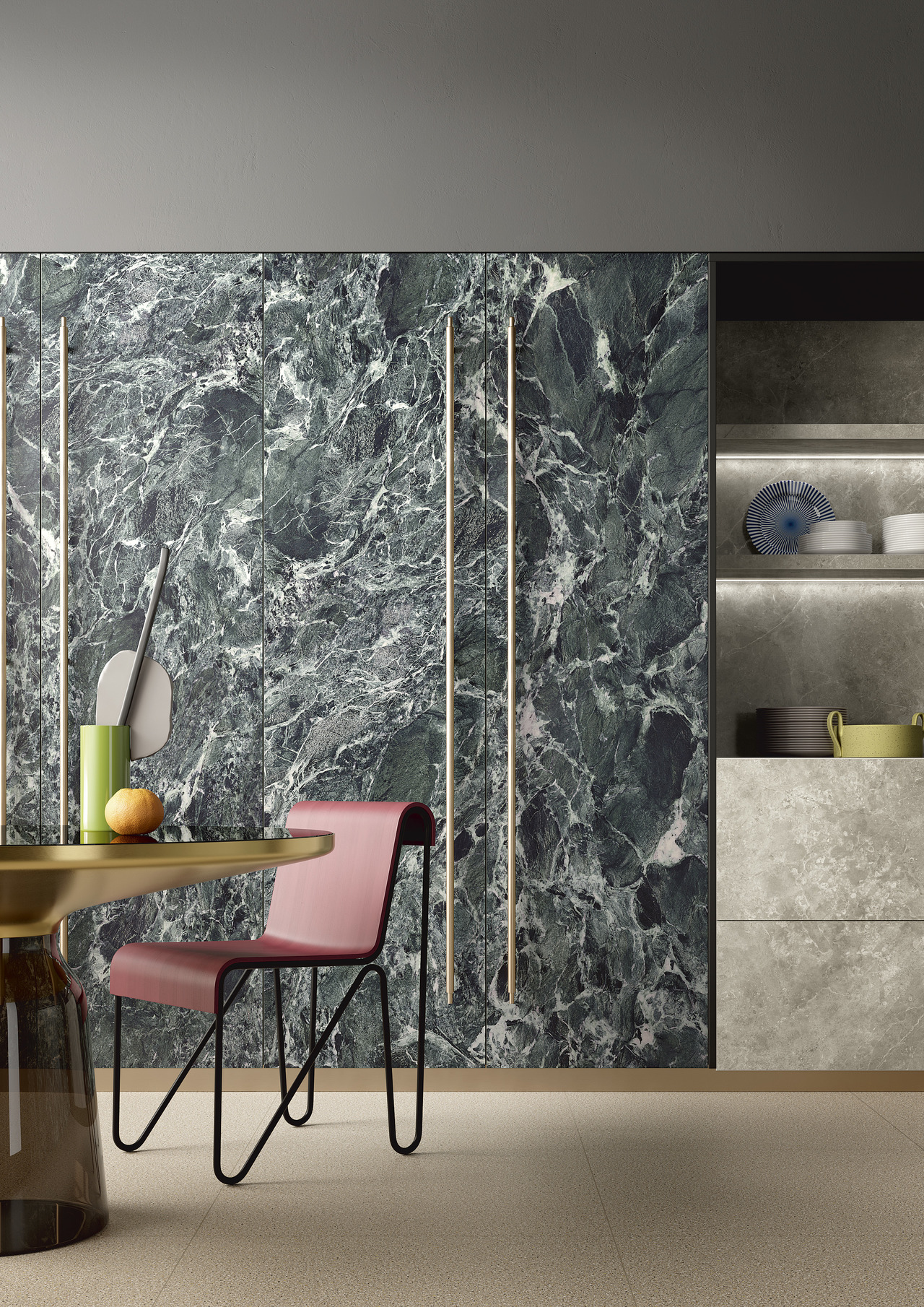
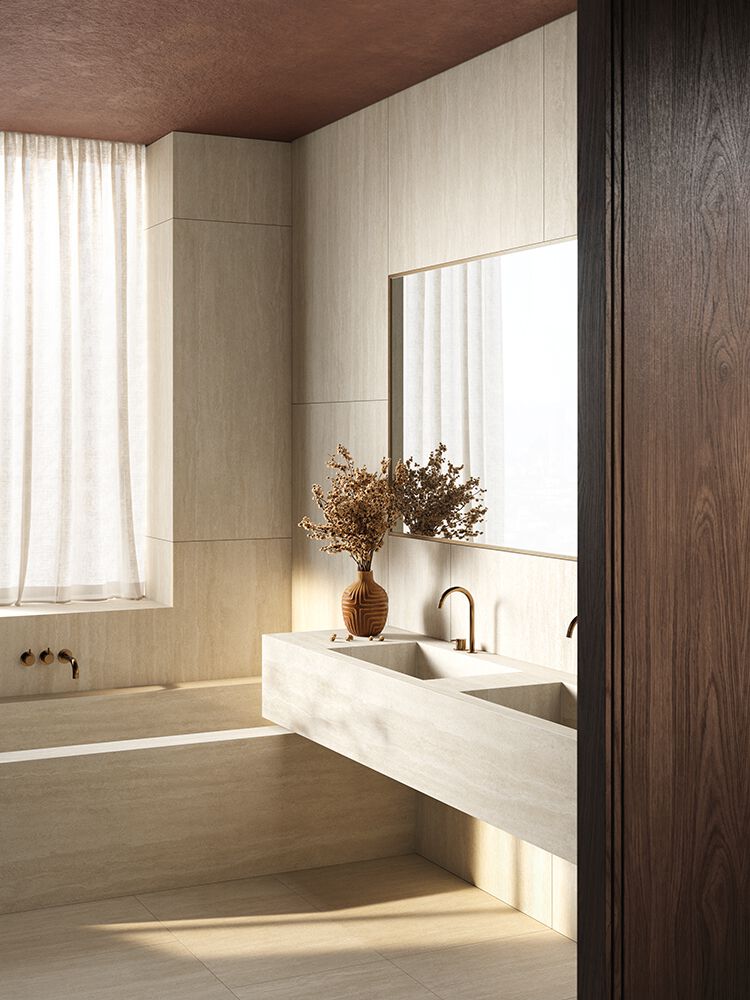
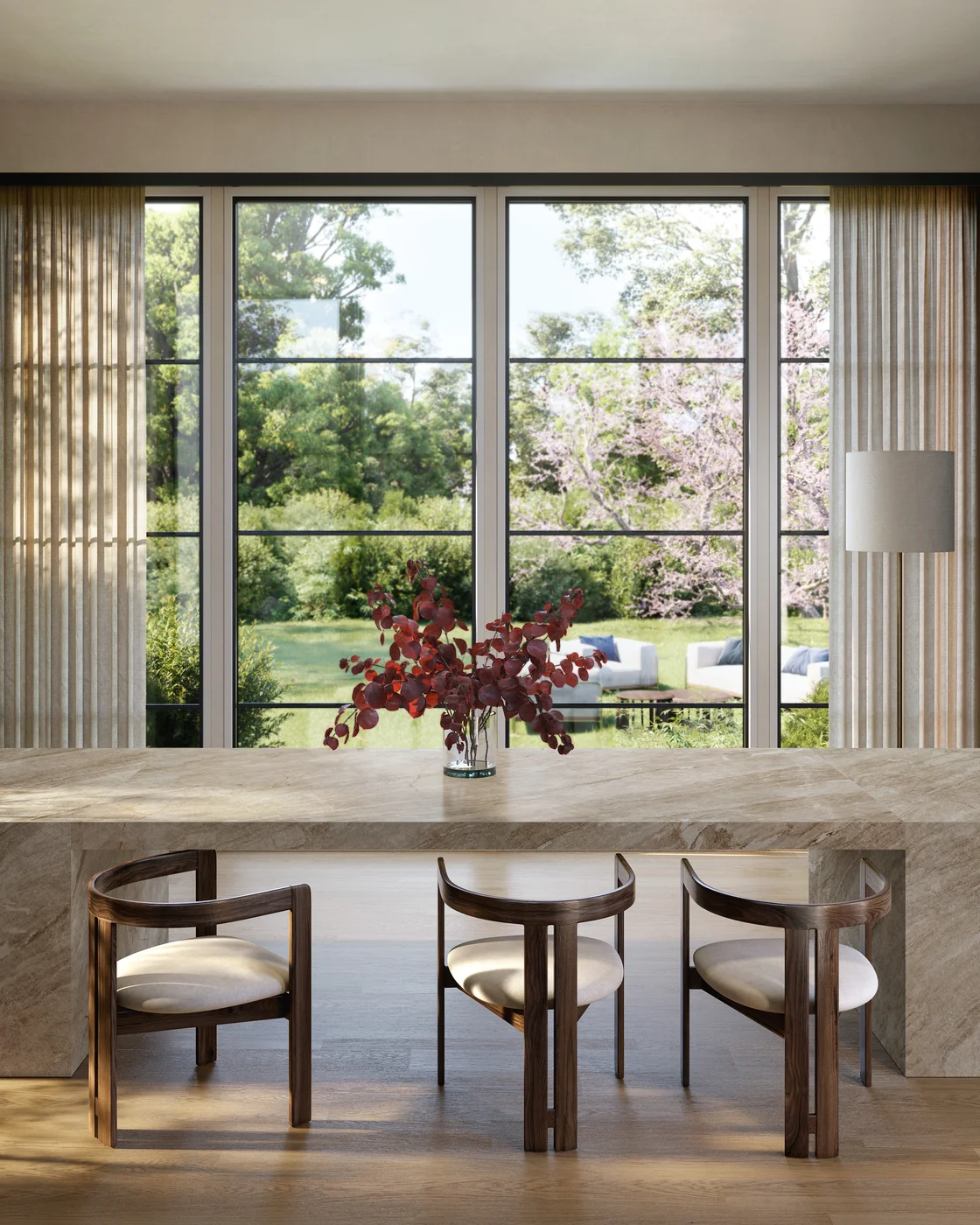
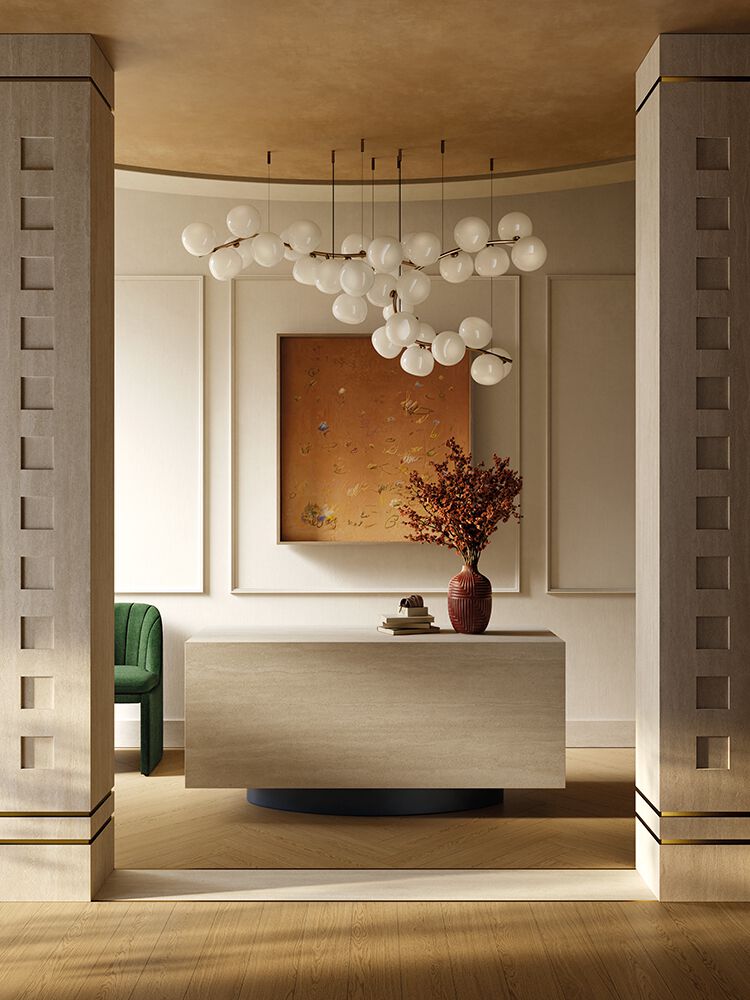
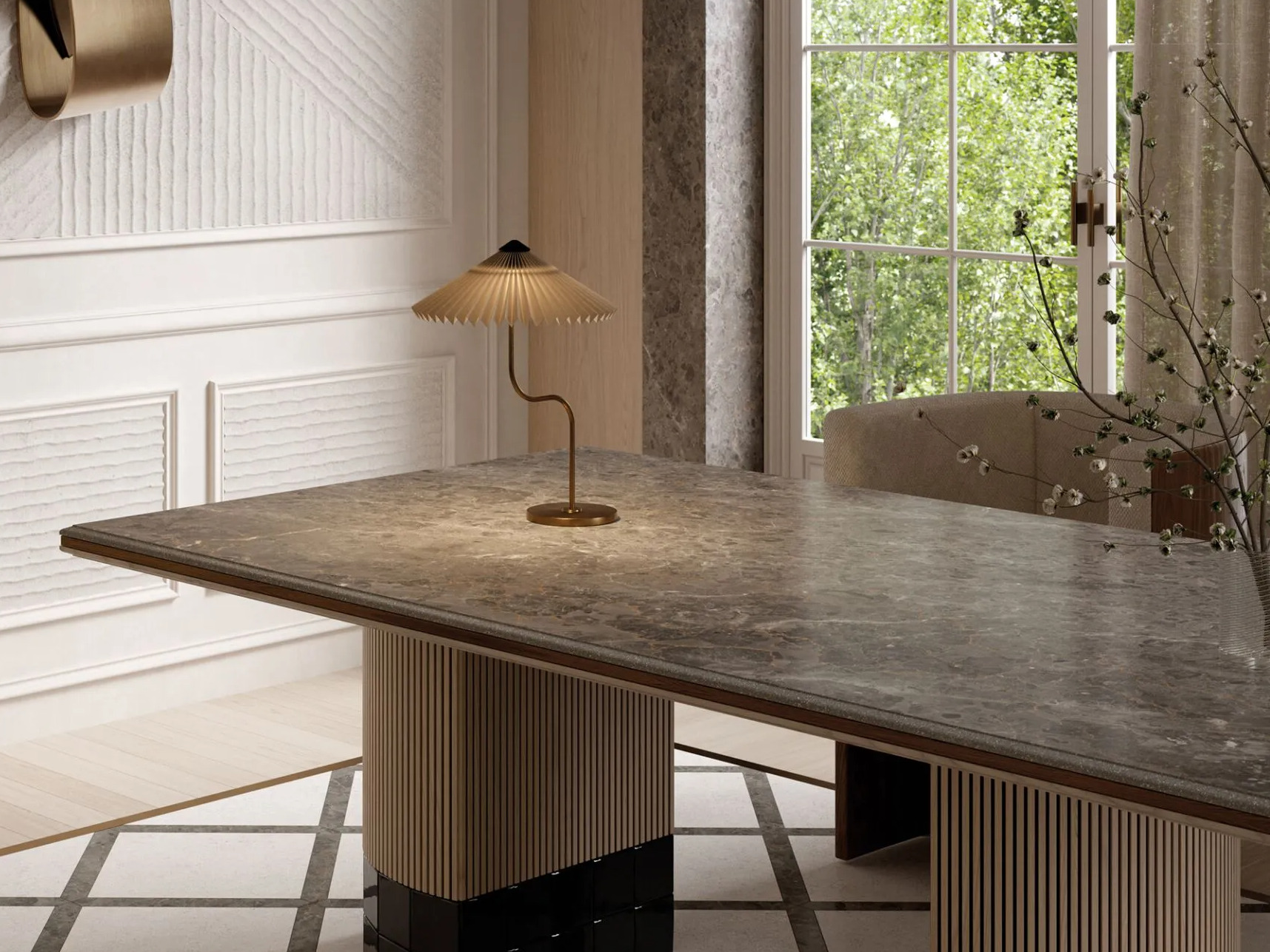
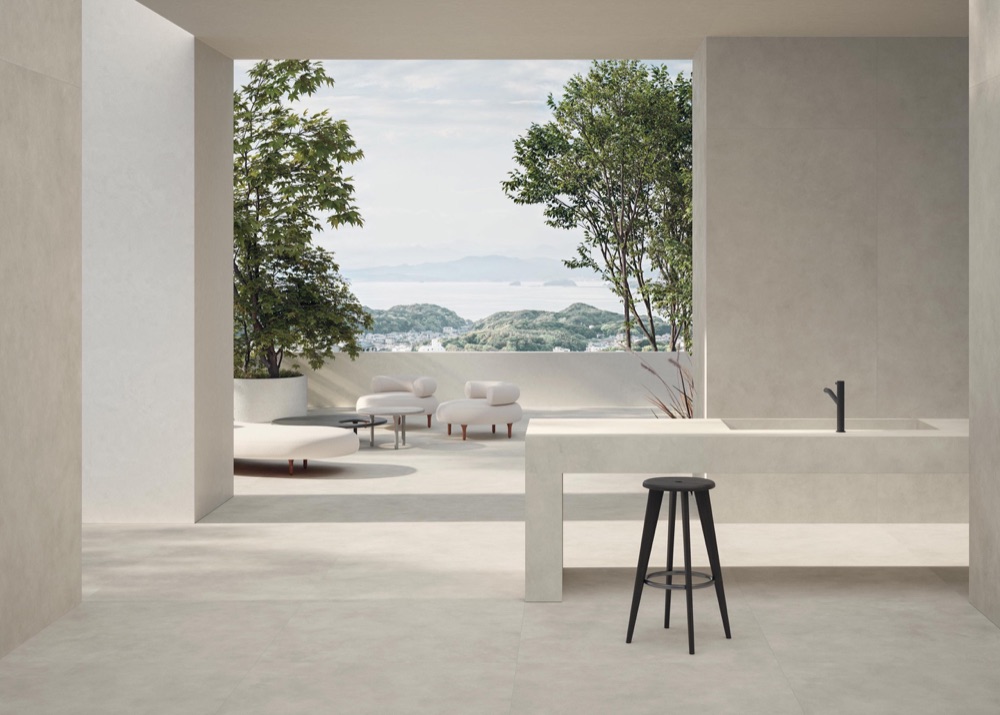
Its 160 × 320 cm surfaces are available in 12 and 20 mm thicknesses, dimensions particularly suited to worktops, islands, integrated sinks, tables and bespoke furniture. The large format reduces joints and allows the pattern to unfold across generous volumes, while the two thicknesses give designers greater control over edges, proportions and structural presence. The same material can continue from the worktop onto splashbacks, walls, floors or furniture, creating a more coherent relationship between the kitchen and the surrounding interior.
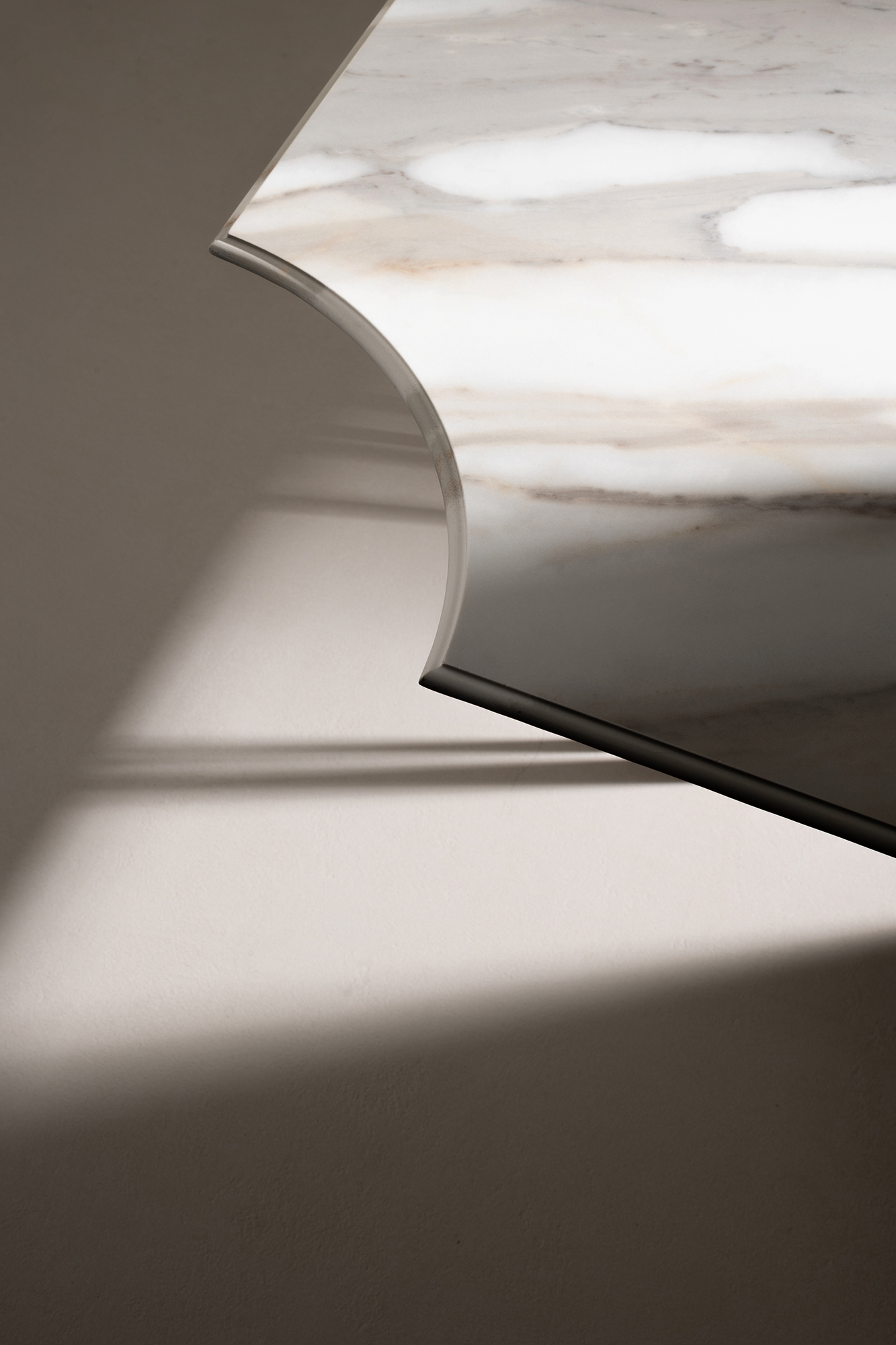
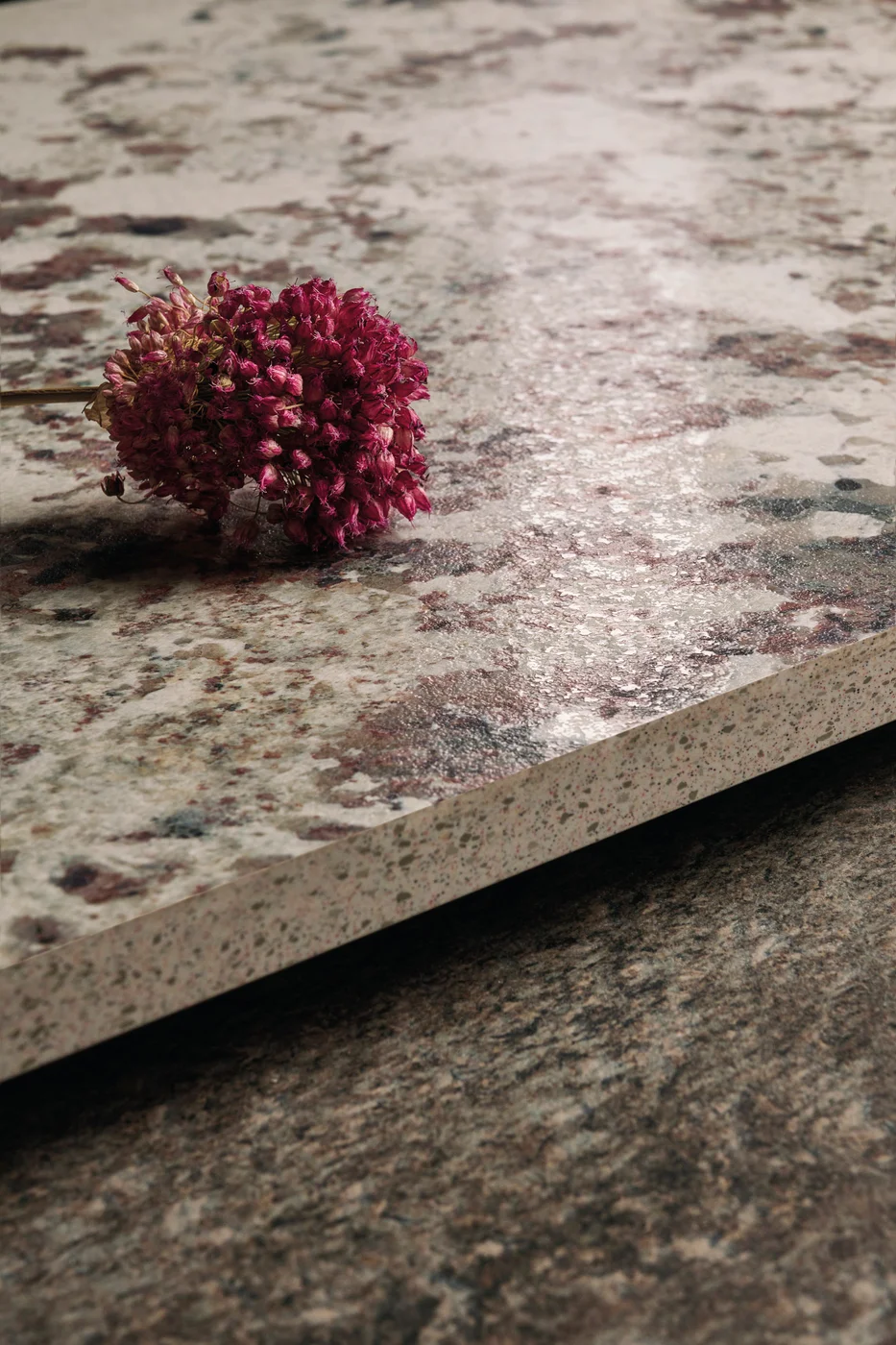
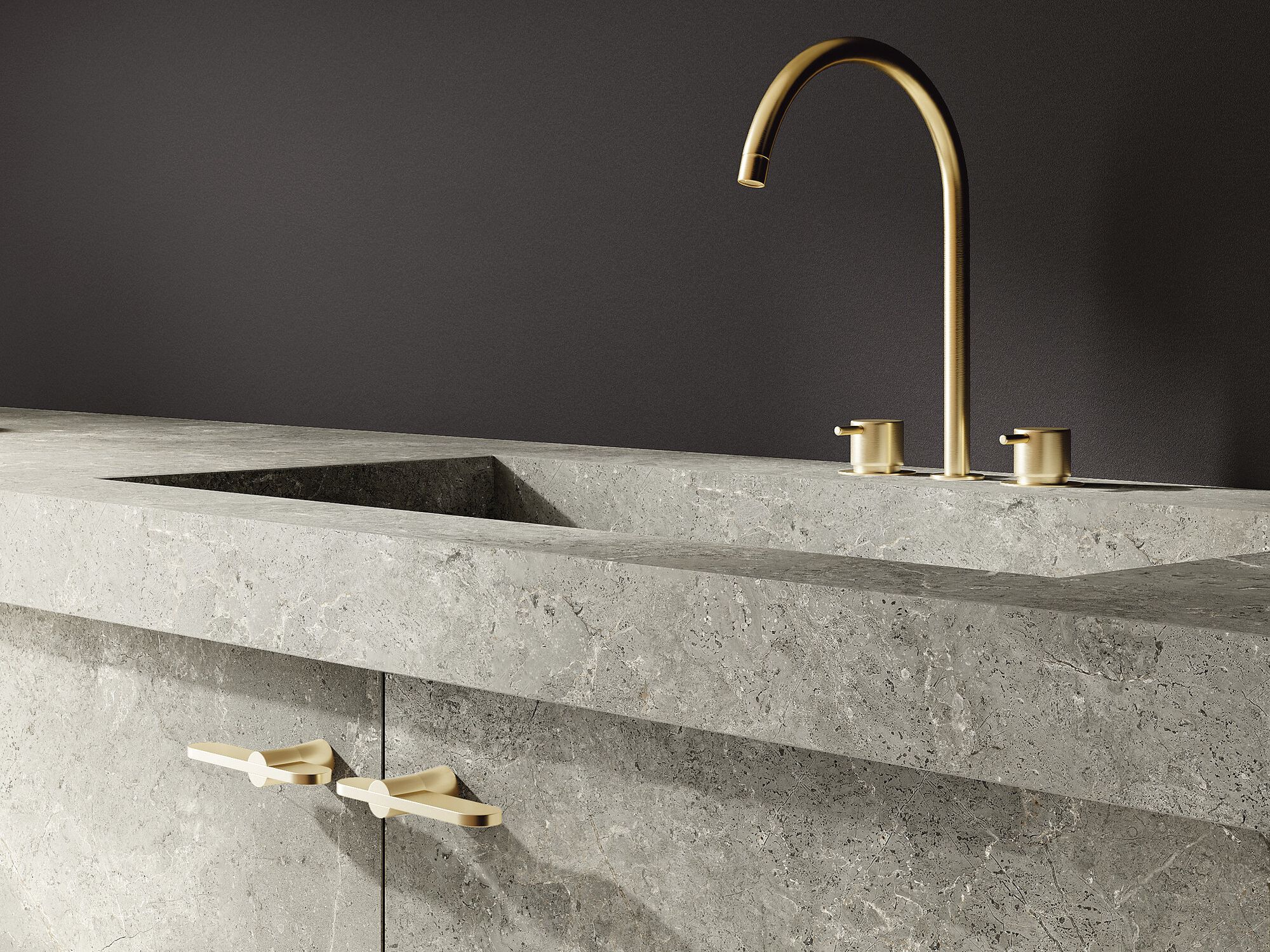
The most important development in the portfolio is 4D Ceramics, Iris Ceramica Group’s full-body technology. Unlike a conventionally decorated slab, where the image remains primarily on the surface, selected SapienStone materials carry colour, veining and mineral detail through the thickness of the porcelain. Exposed edges, grooves and cut-outs therefore remain visually connected to the face of the slab. This is particularly effective on islands, thickened worktops and sculptural furniture, where the material is read as a volume rather than as a thin covering.
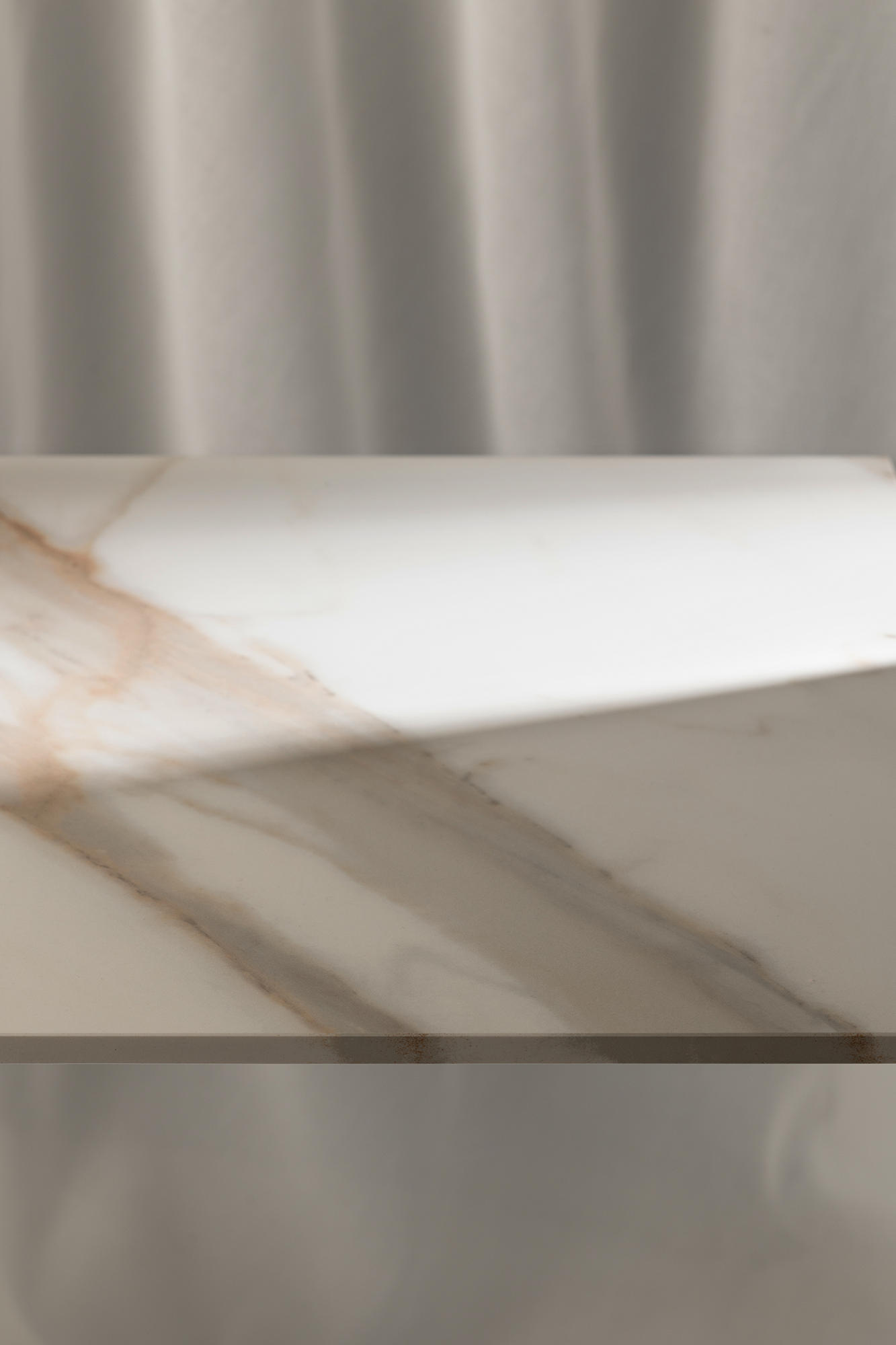
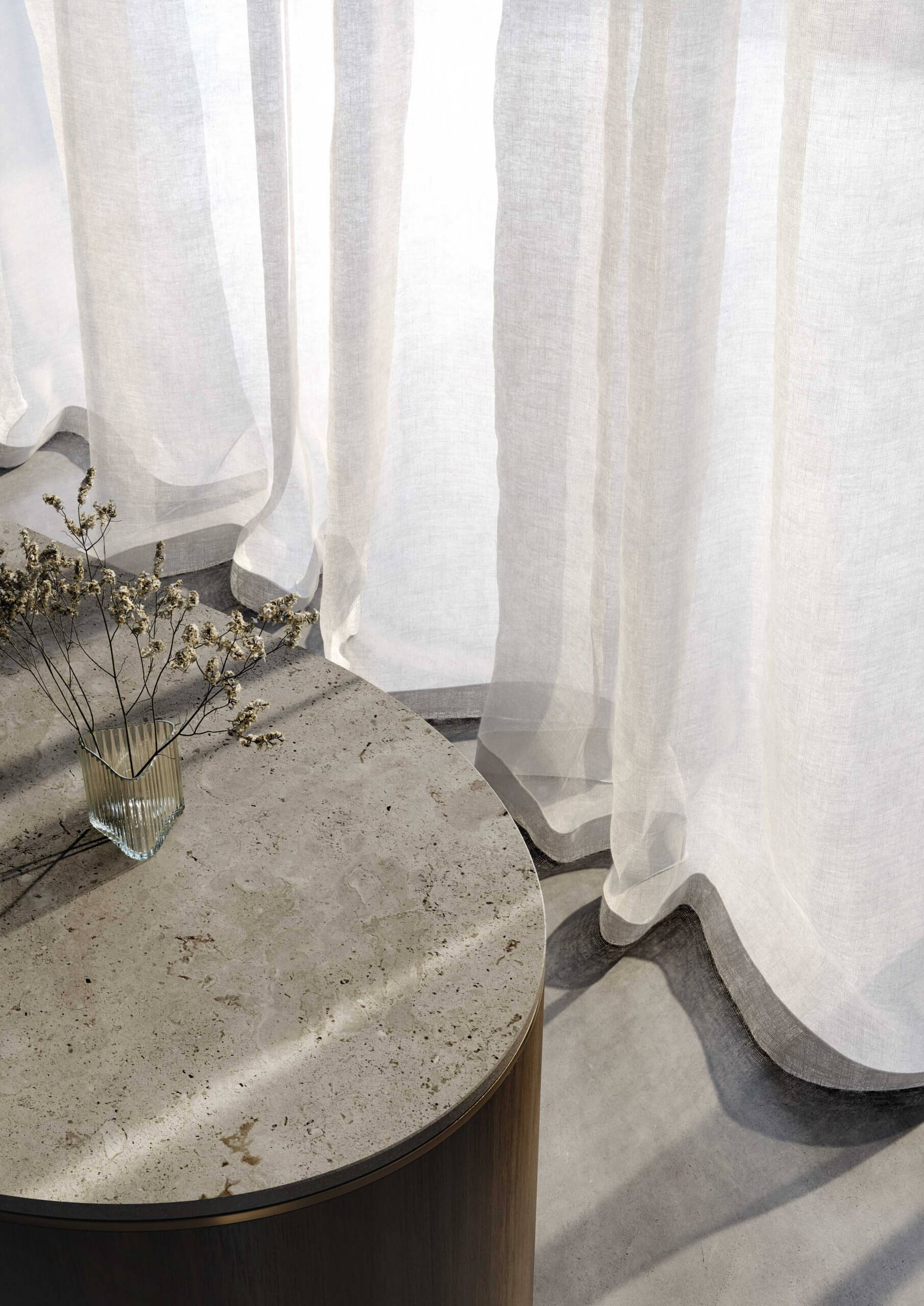
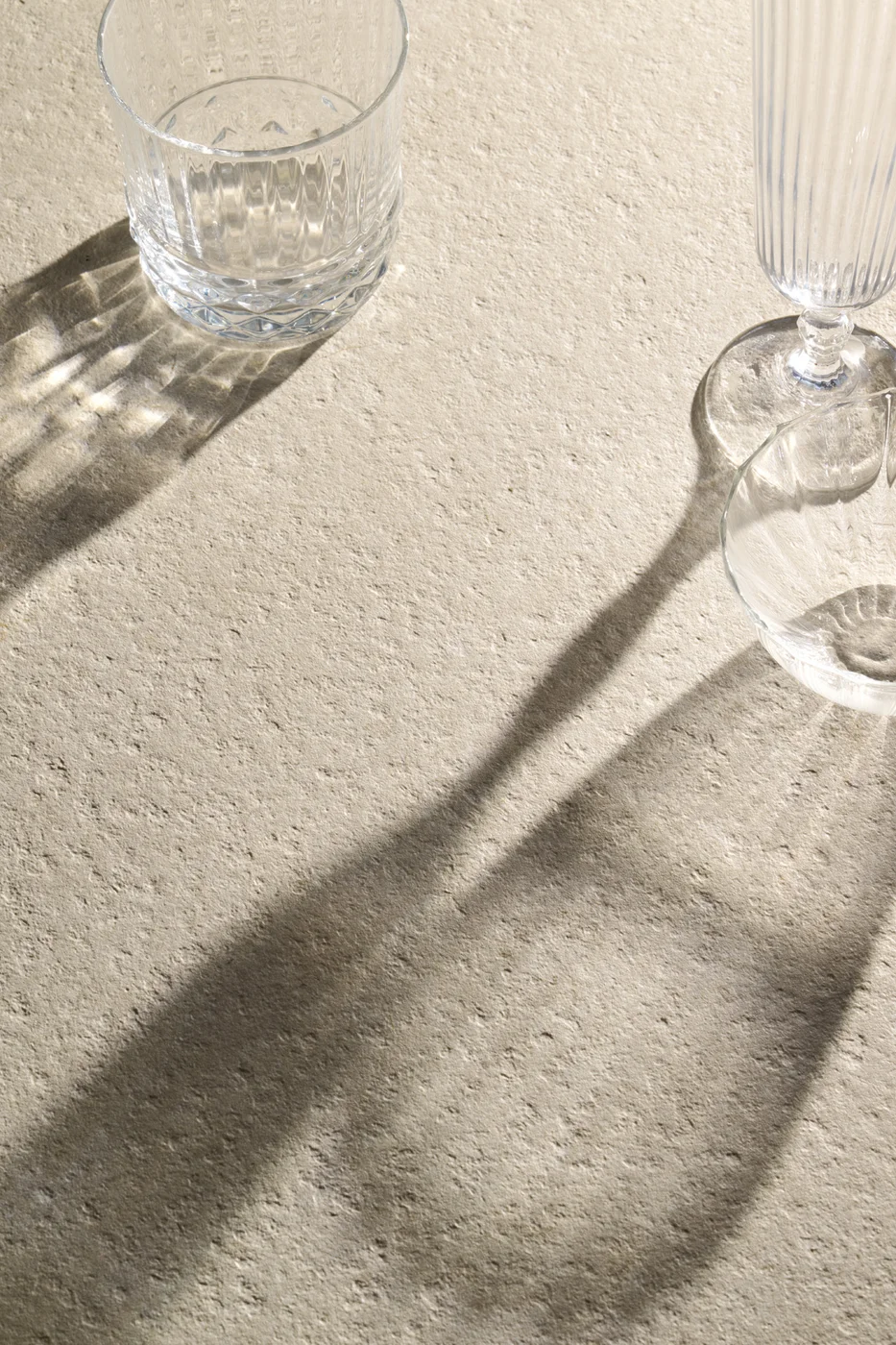
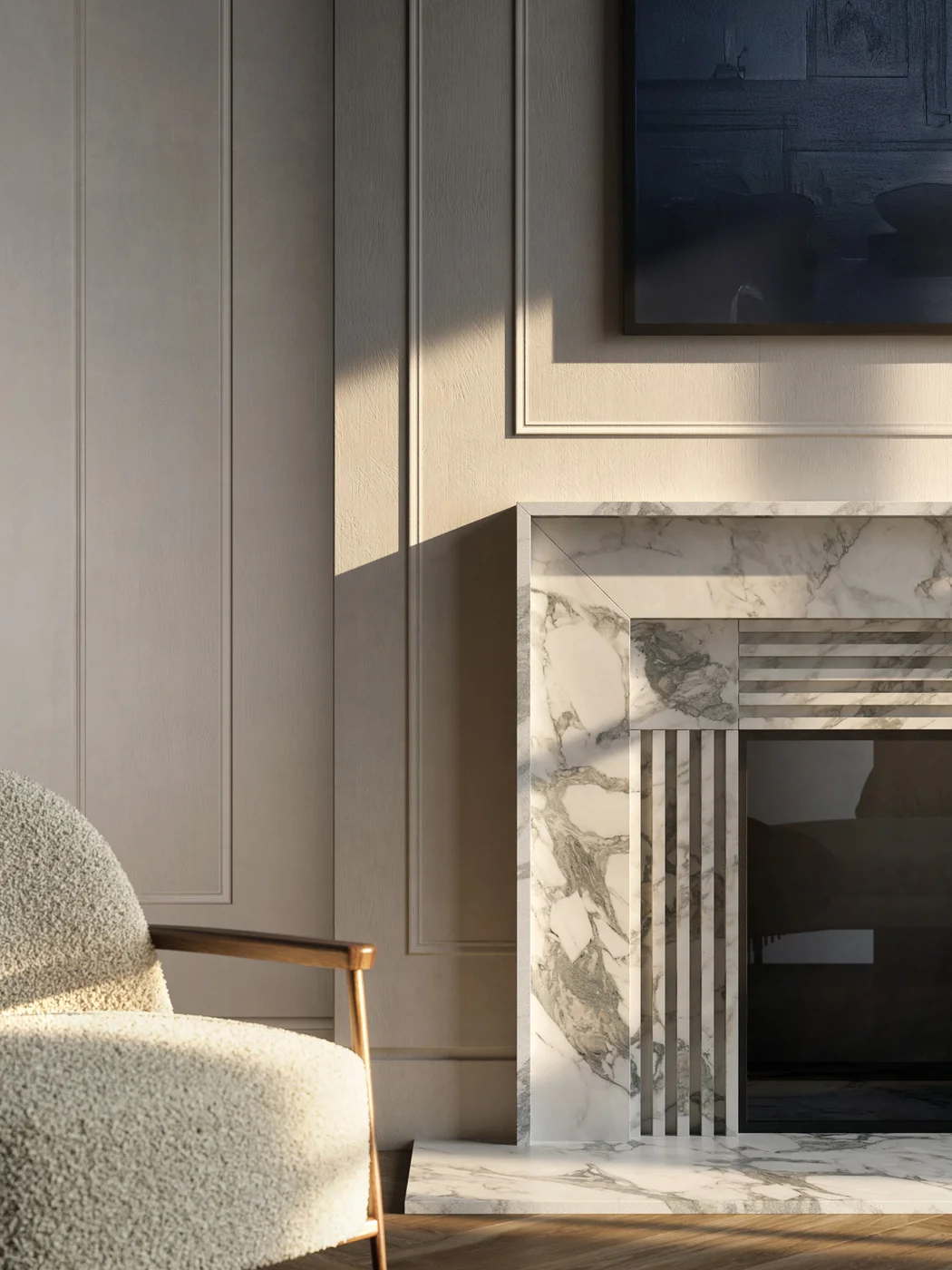
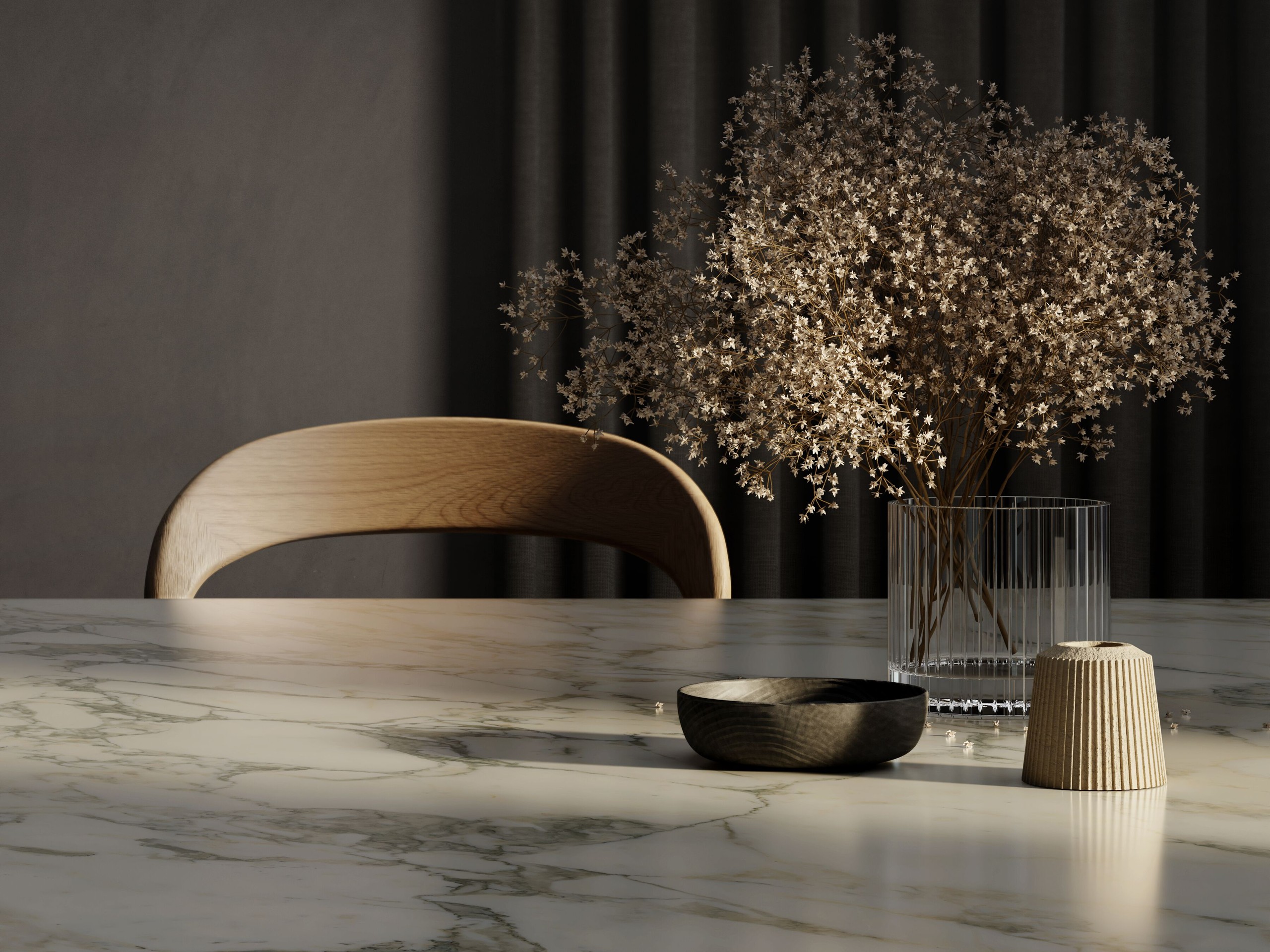
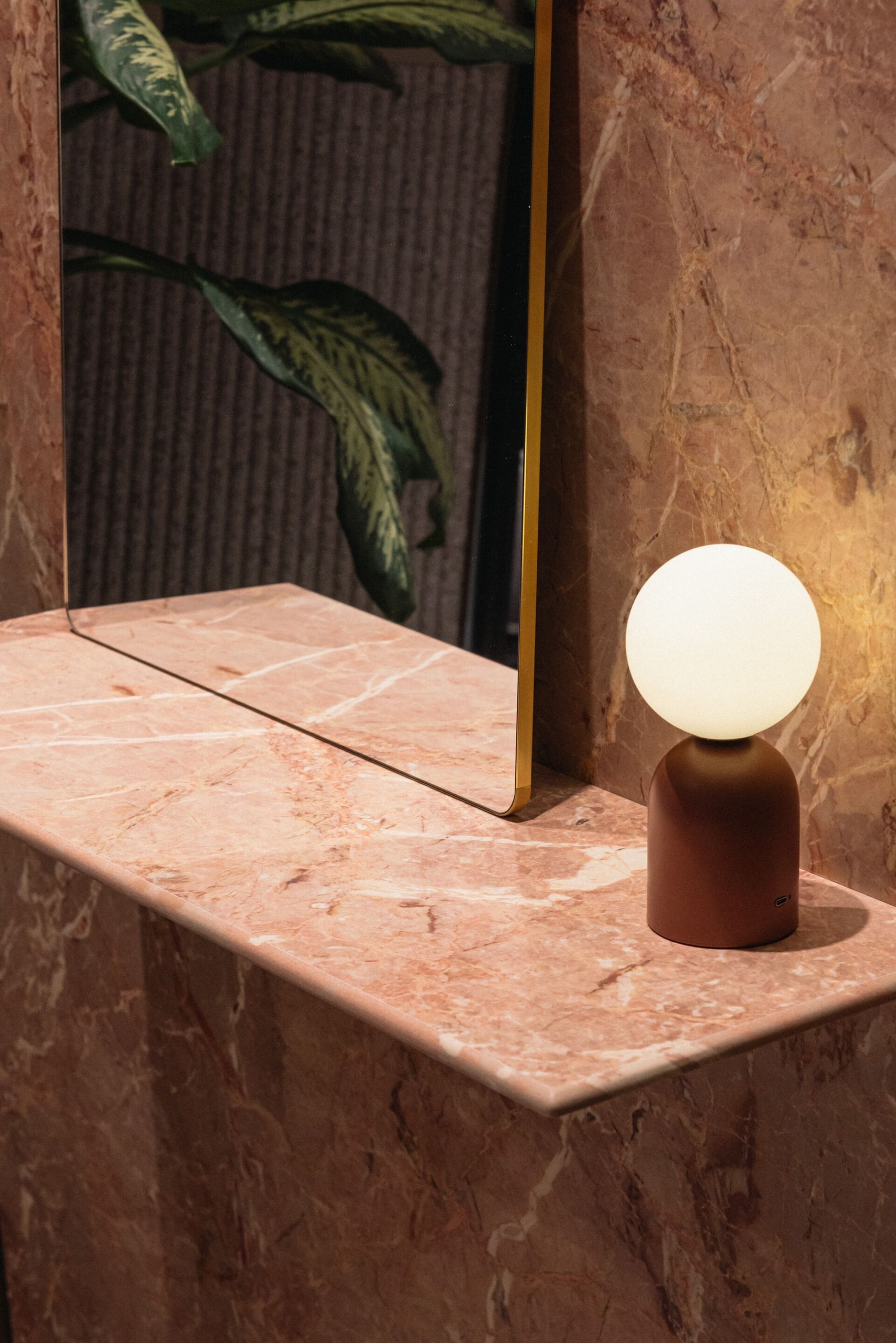
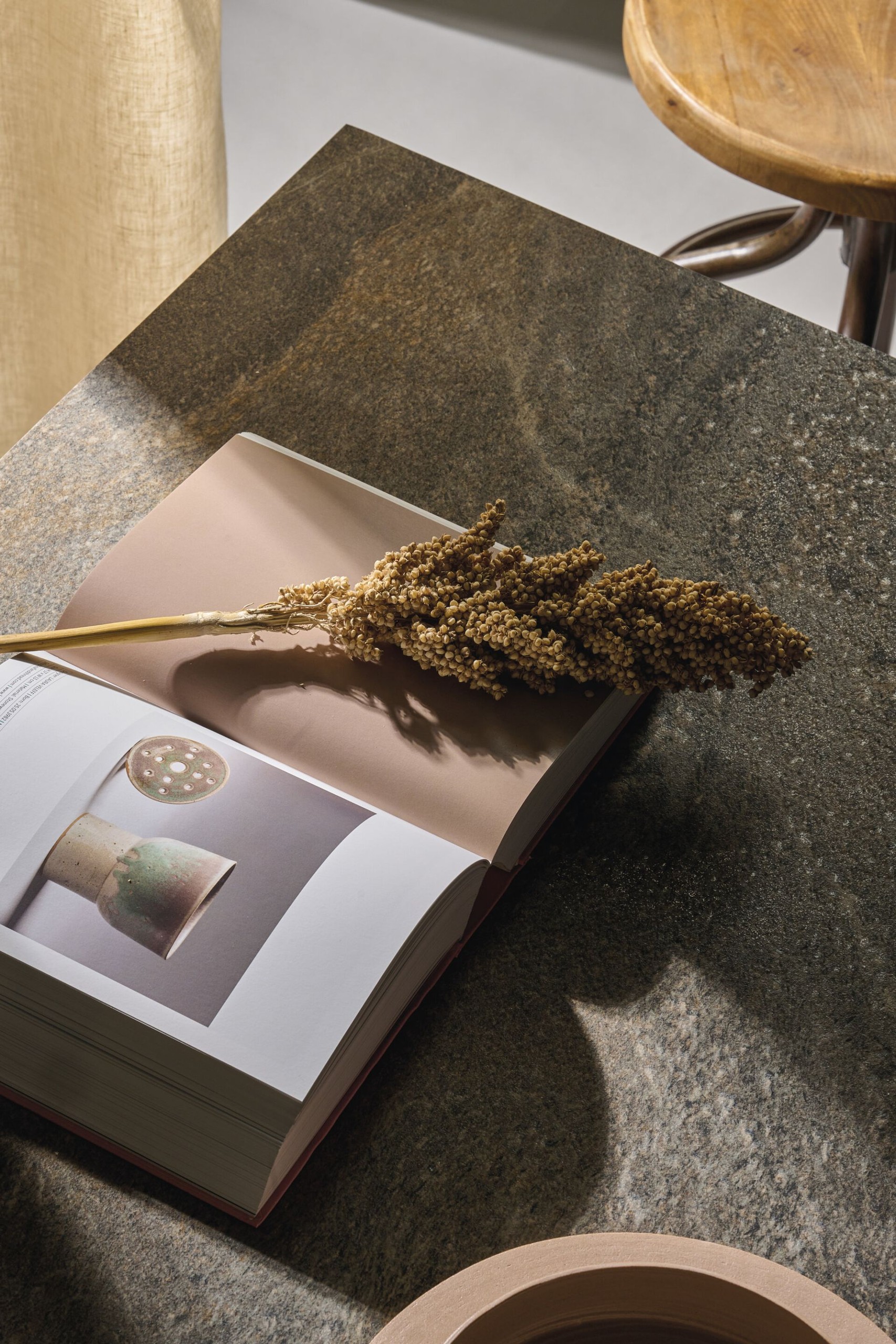
The surfaces reproduce marble, stone, concrete and wood with considerable graphic depth, but their value lies equally in their performance. Porcelain is non-porous, hygienic and resistant to heat, thermal variation, scratching and staining. It does not require the periodic sealing associated with many natural stones and can withstand the daily demands of food preparation without becoming visually fragile.
SapienStone also benefits from the wider technological research of Iris Ceramica Group. Selected applications can incorporate Hypertouch, which places controls for lighting, climate, windows or audio-video systems beneath the ceramic surface, removing visible switches and preserving the continuity of the design. Other developments explore antibacterial surfaces, bespoke ceramic decoration and the integration of functional technology into furniture and architectural elements.
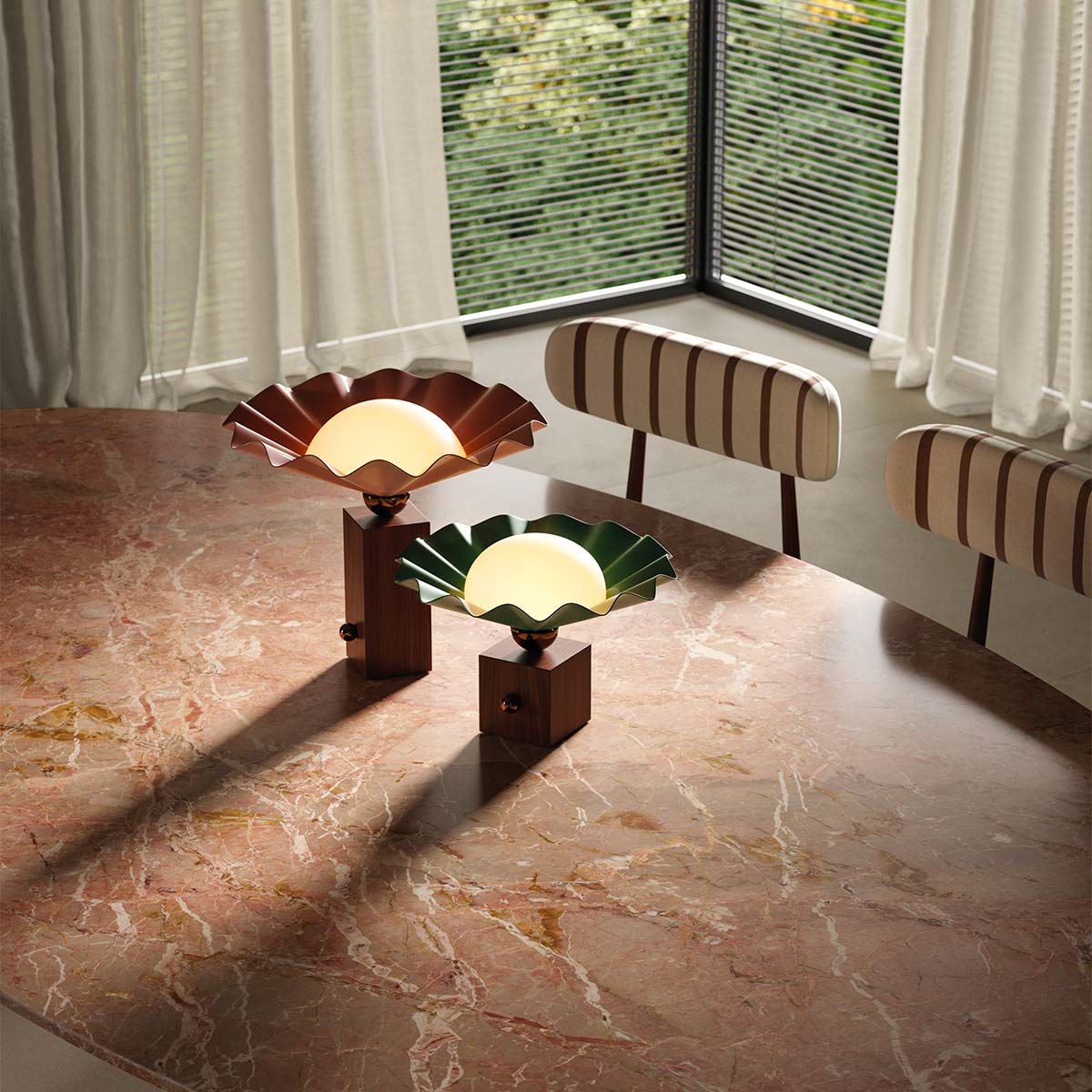
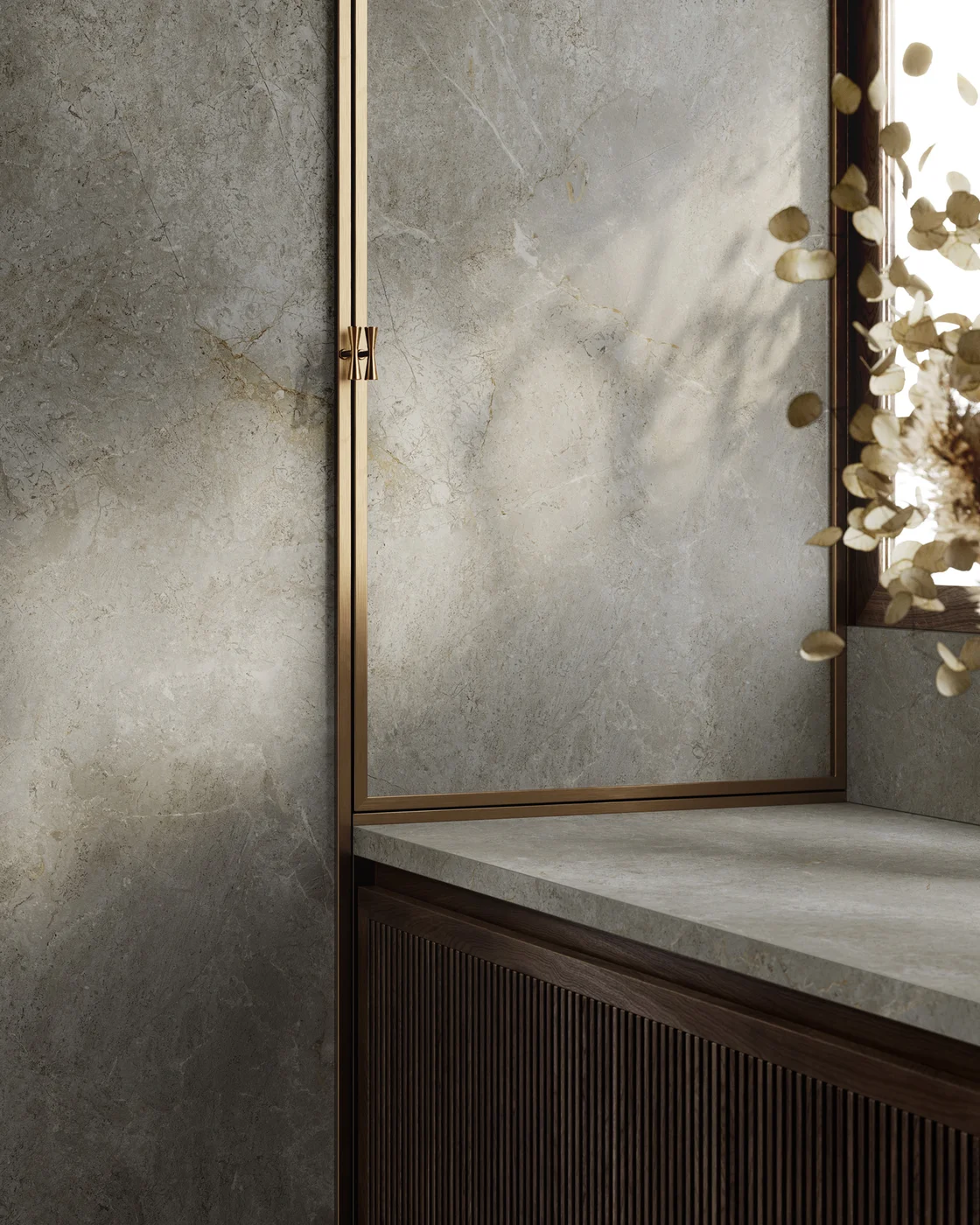
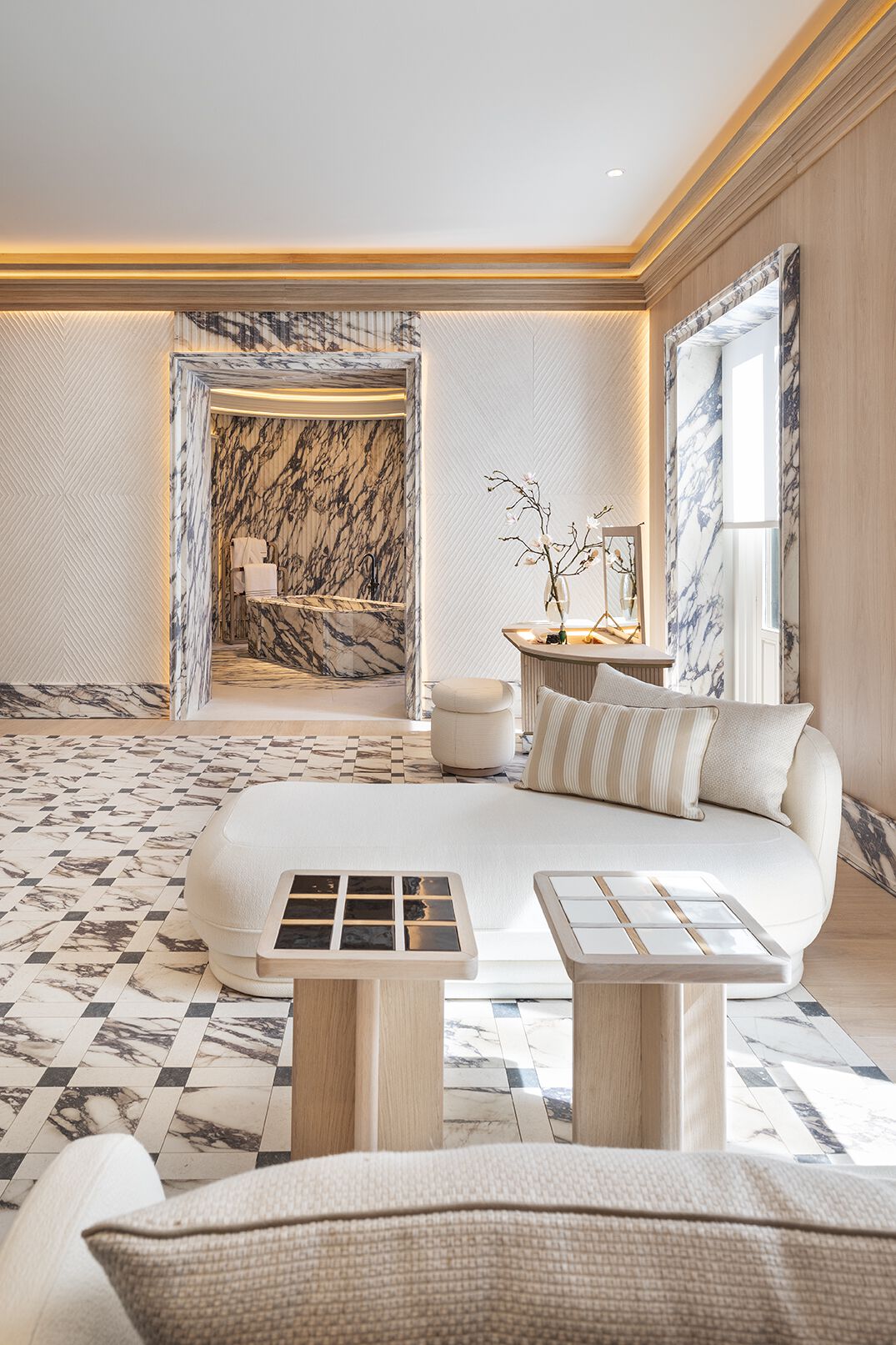
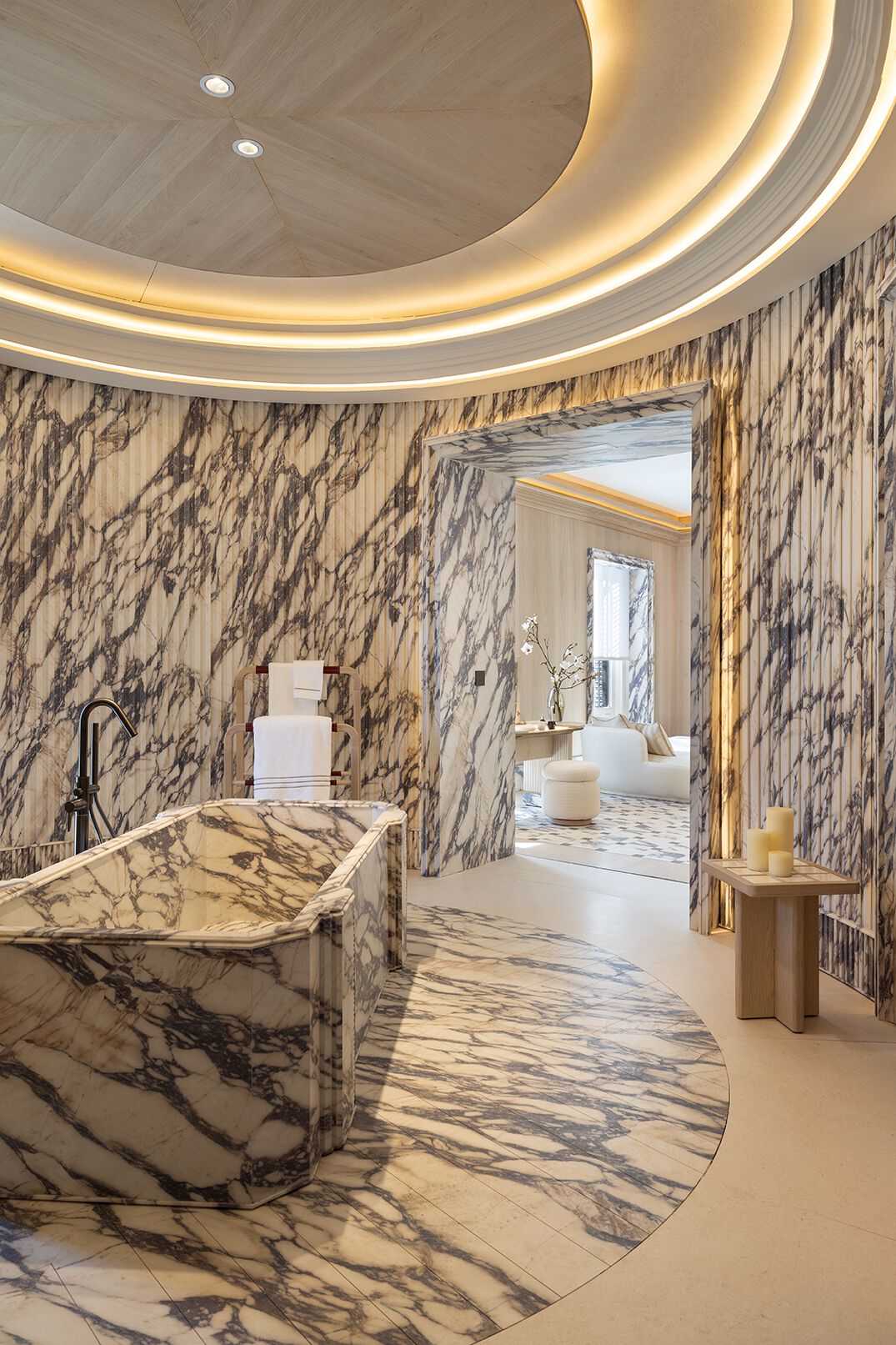
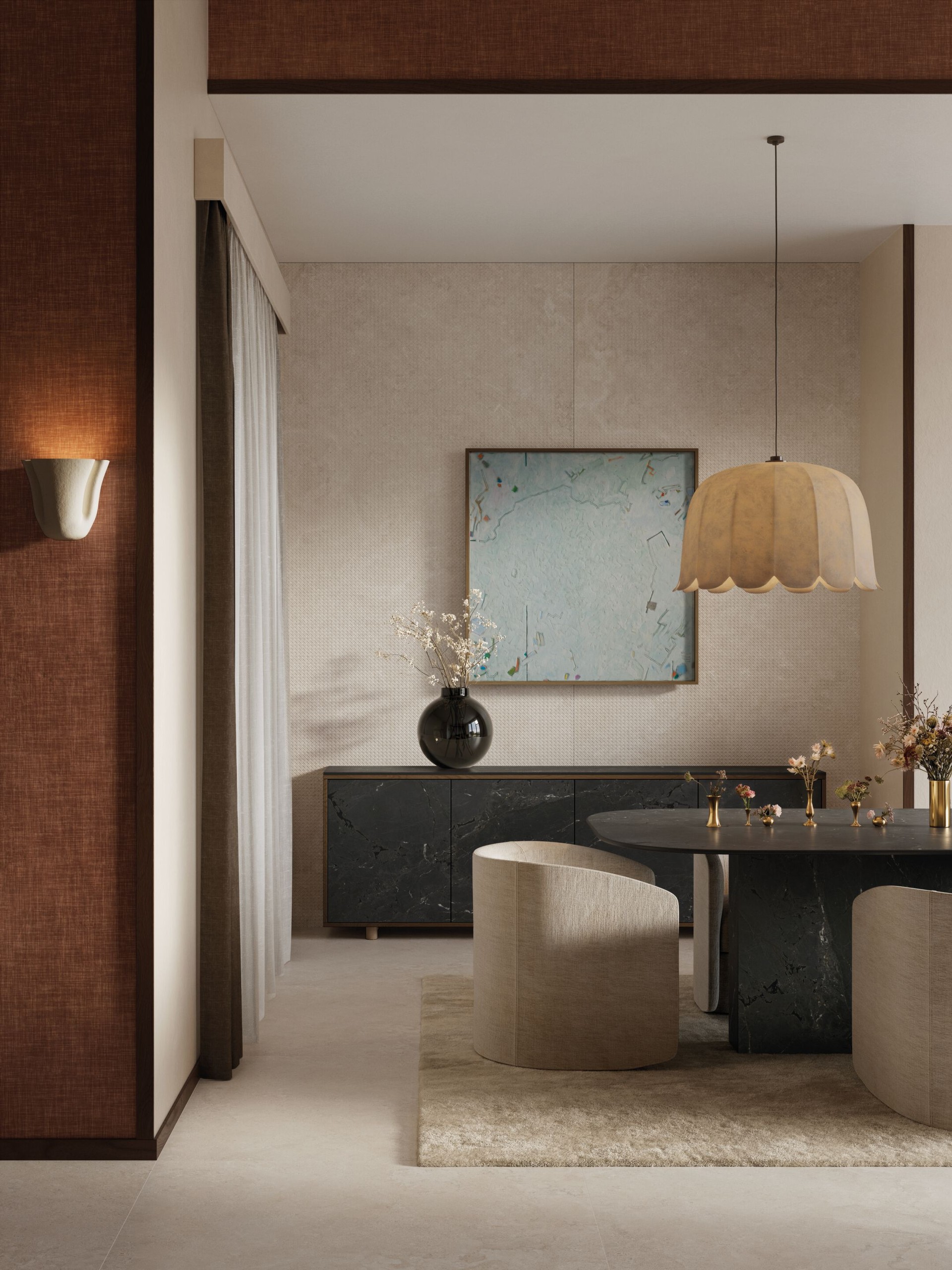
More recently, the brand has expanded beyond the conventional vocabulary of the kitchen, treating ceramic surfaces almost as a form of interior tailoring. Collaborations with international designers explore colour, texture and coordinated applications across furniture and architecture, while keeping material performance at the centre of the project.
SapienStone’s strength lies in this combination of specialisation and research. It offers the durability expected from a working surface, but develops porcelain with enough depth, continuity and precision to become part of the architecture and furniture of the interior.
Part of Iris Ceramica Group | Made in Italy | Headquarters: Castellarano, Reggio Emilia