Portuguese ceramic heritage expressed through colour, pattern and craftsmanship
Aleluia Ceramics began in Aveiro in 1905, when João Aleluia founded the Santos Mártires Factory for the production of domestic ceramics. Tile manufacturing soon became increasingly important, closely connected to the decorated façades that continue to define Portuguese cities. More than a century later, this relationship with colour, pattern and glazed ceramic remains central to the company’s identity.
The present-day manufacturer took shape through the union of several established Portuguese ceramic names, including Aleluia, Ceramic, Apolo and Viúva Lamego. Each contributed a different area of knowledge, from industrial wall and floor tiles to extruded ceramics and hand-painted decoration. This heritage gives Aleluia an unusually broad understanding of ceramic production rather than a style built around a single product category.
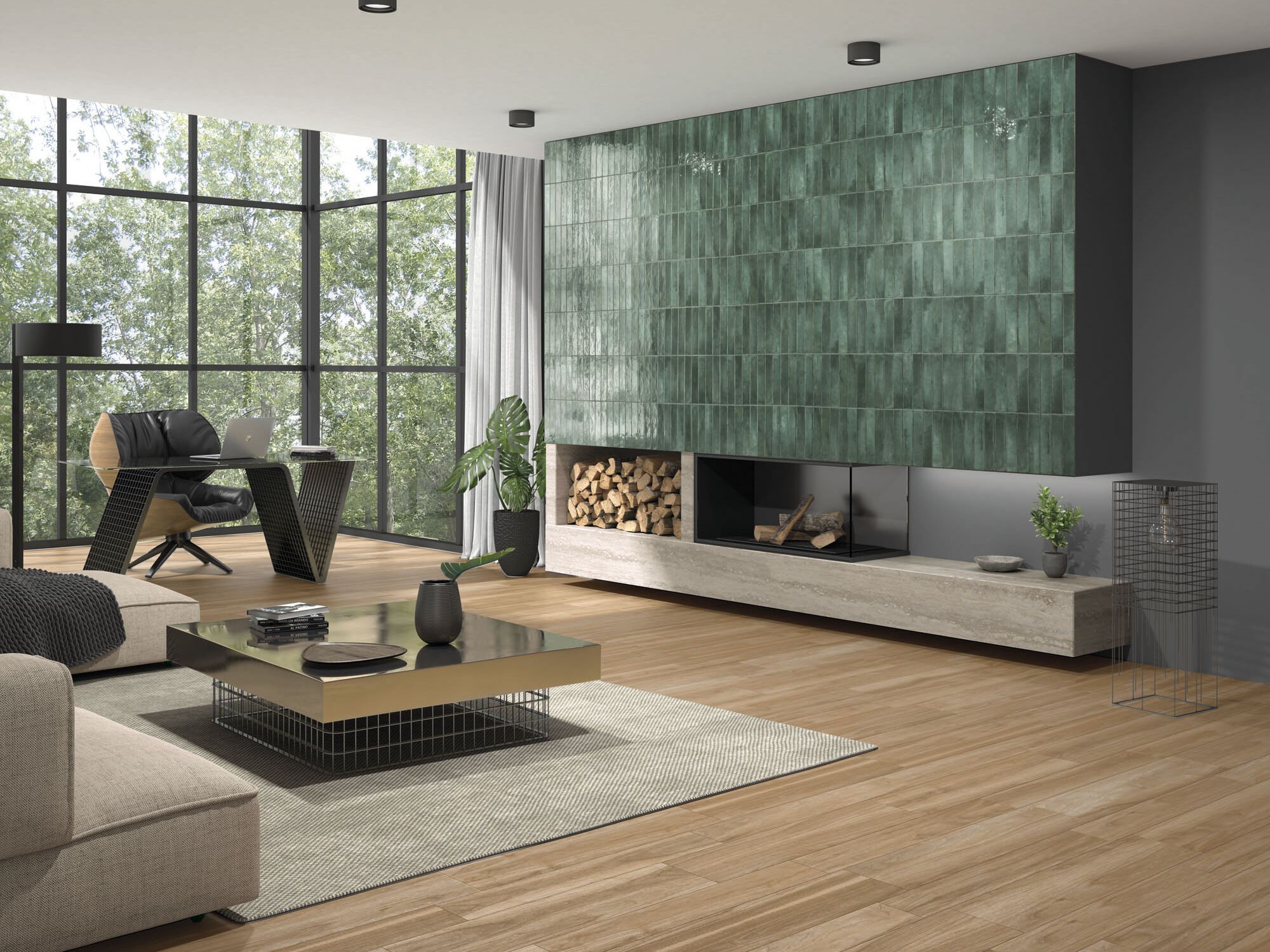
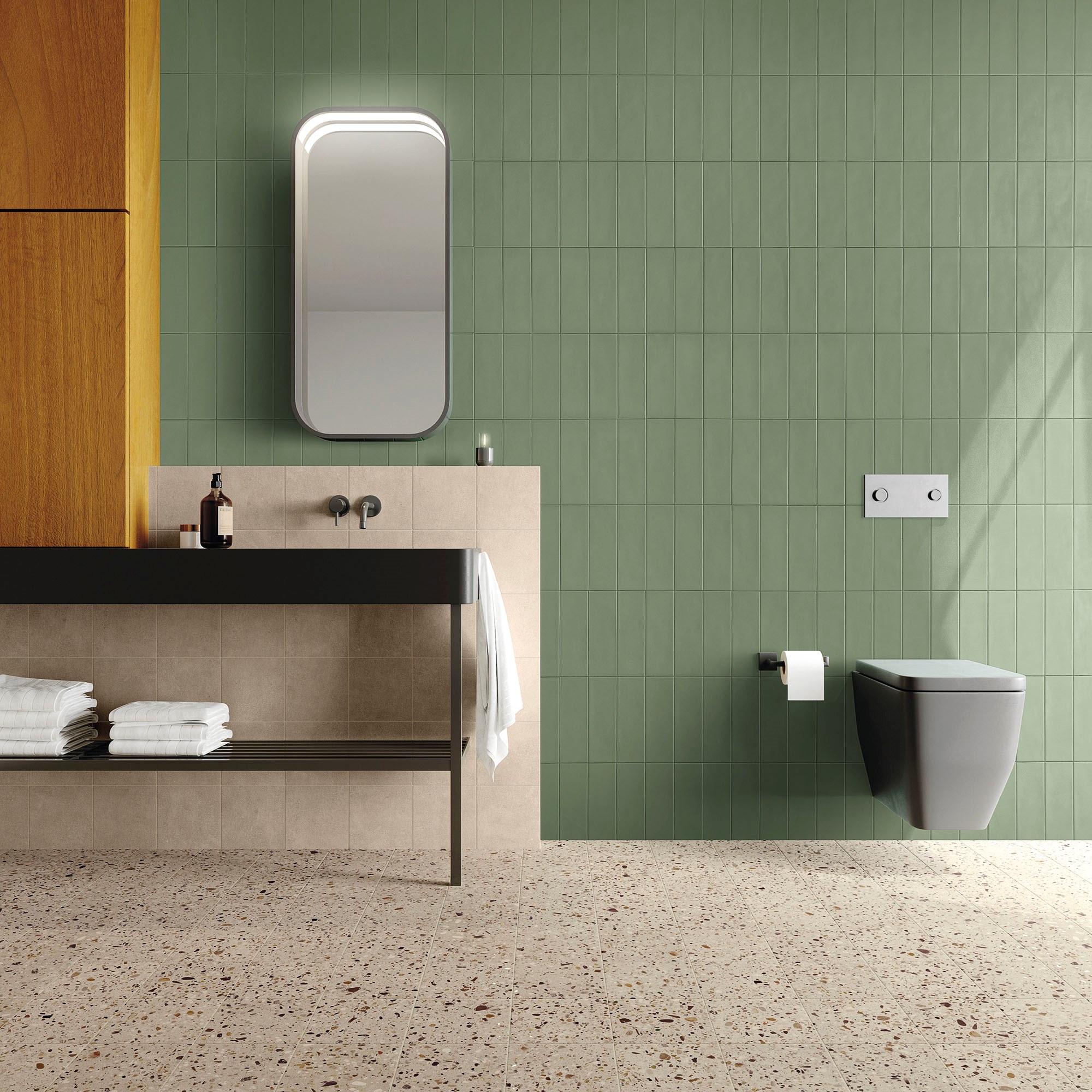
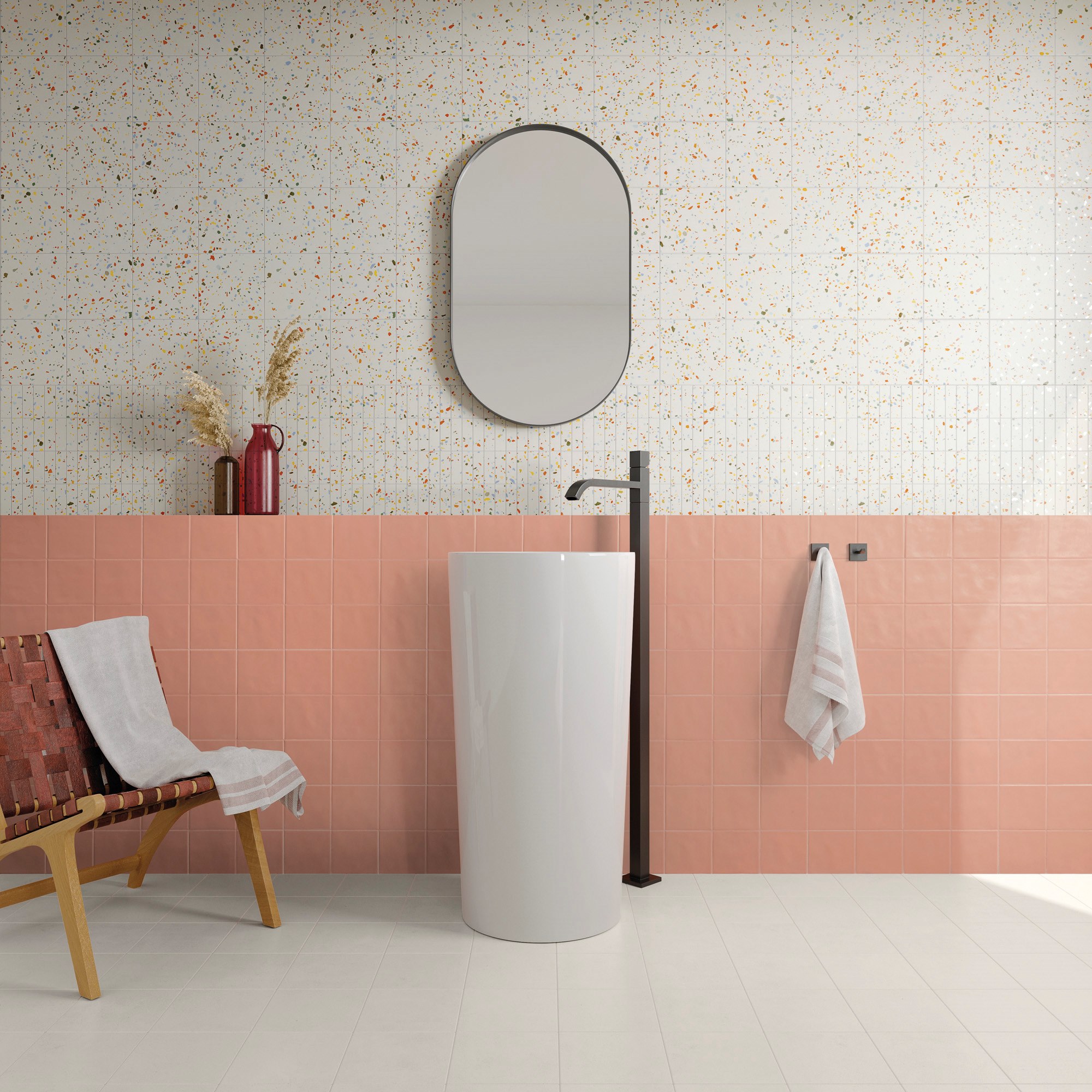
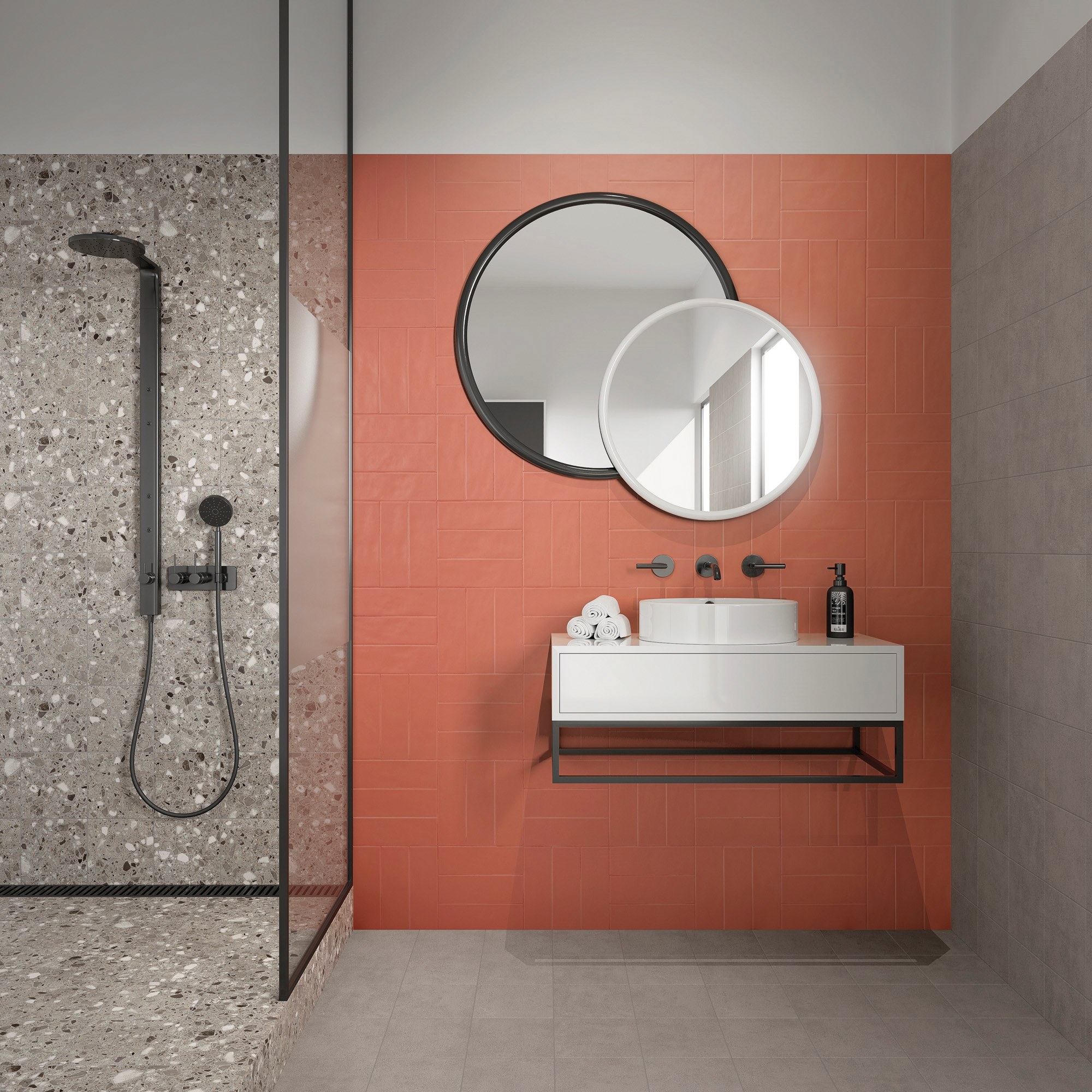
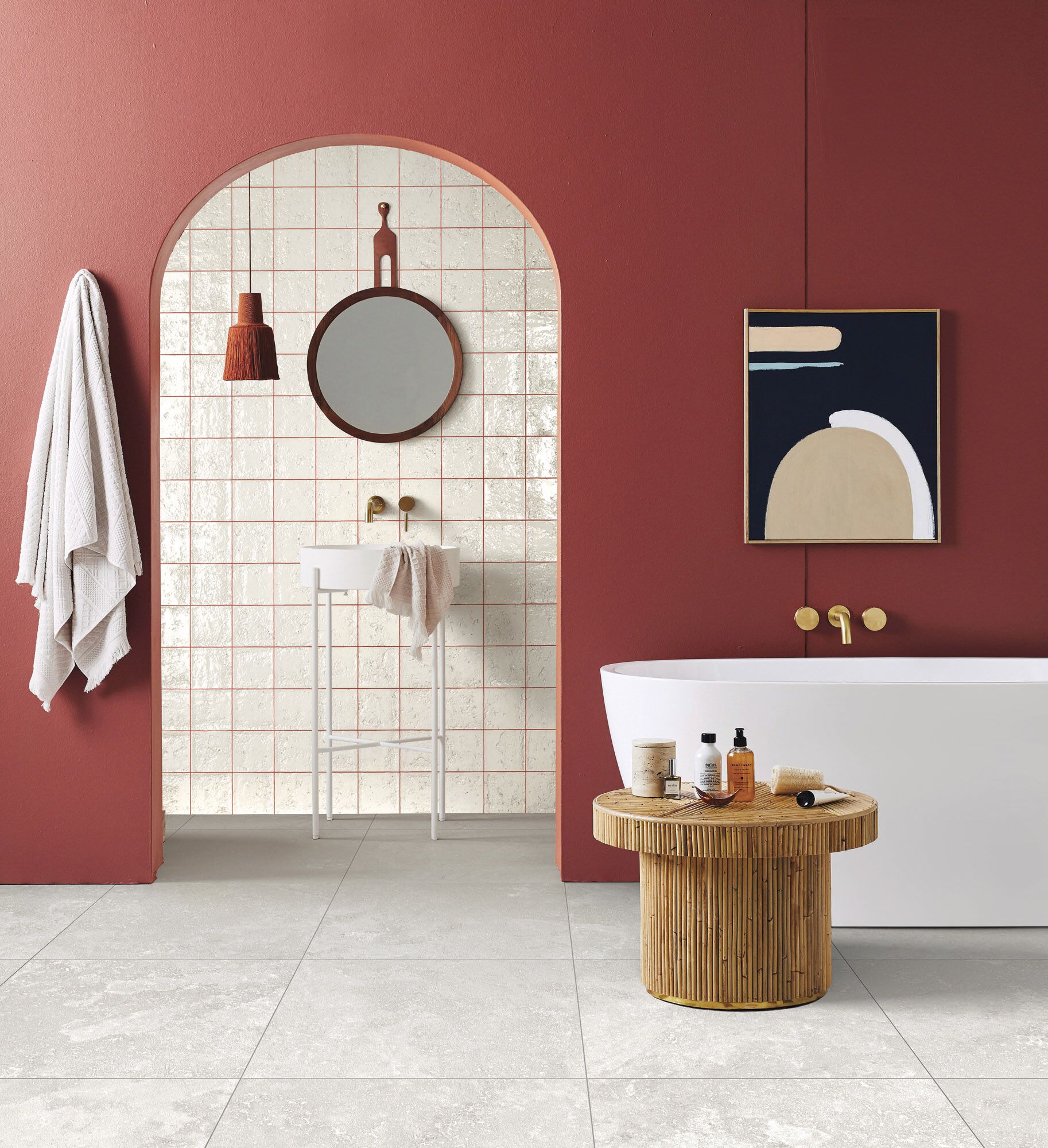
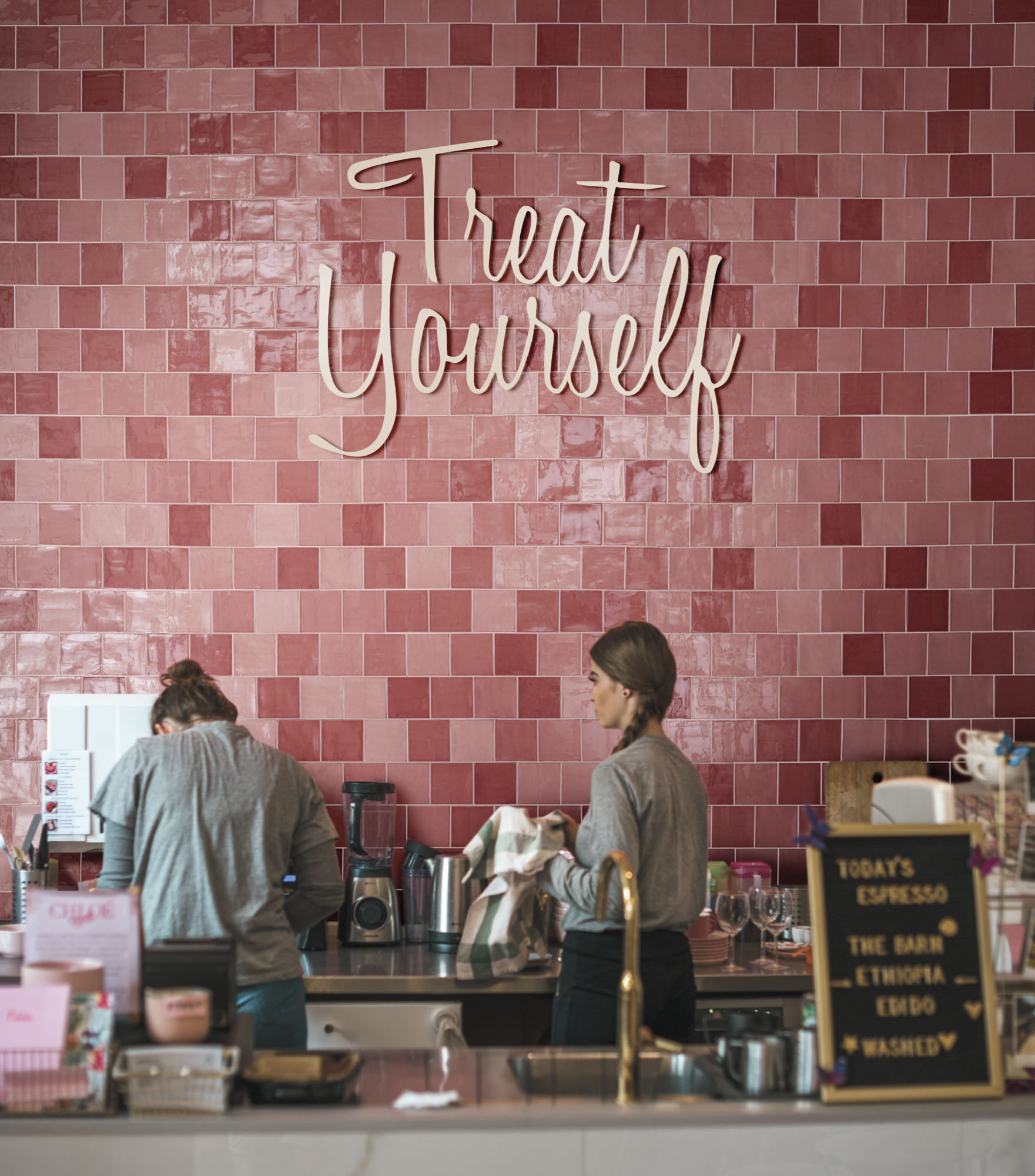
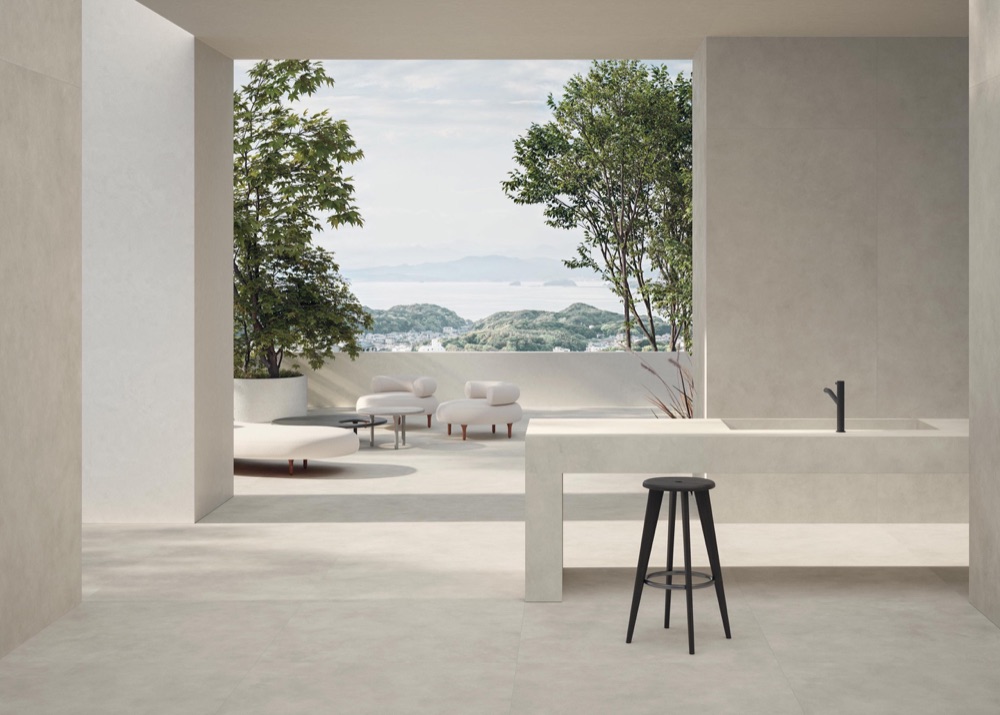
Colour is one of the clearest strengths of the portfolio. Alongside interpretations of marble, stone, concrete and wood, Aleluia develops collections in green, blue, terracotta, pink and deeper mineral tones. Matte and glossy surfaces, graphic patterns, geometric pieces and three-dimensional reliefs allow ceramic to take a more active role in the interior. Colour is not added as a secondary decorative option; in many collections it provides the starting point for the entire composition.
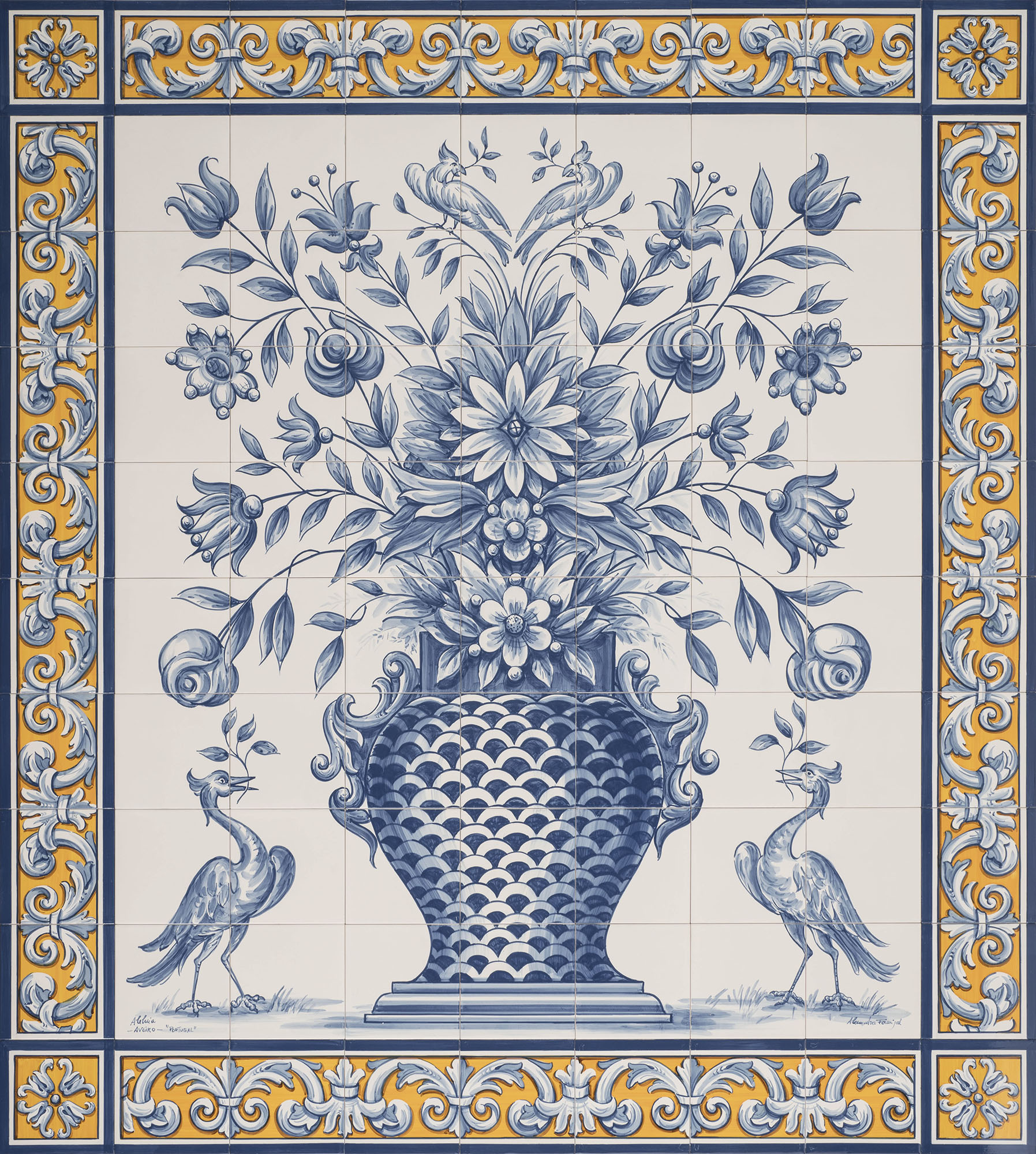
The company’s hand-painted tiles preserve a particularly valuable part of Portuguese ceramic culture. Each piece carries slight differences in line, density and glaze, giving the finished surface a depth that mechanical repetition cannot reproduce. Traditional painting is combined with contemporary formats and new glazing techniques, making these products relevant not only to restoration but also to residential interiors, hospitality spaces and individual architectural commissions. Aleluia also develops customised panels and special projects for art, architecture and design.
This artisanal work exists alongside substantial industrial capability. Aleluia operates three specialised production units: one for glazed porcelain, another for wall and floor tiles, and a third for extruded ceramic products. Together, they comprise six production lines supported by digital printing, automated handling and electronic selection technologies. The company was the first Portuguese ceramic manufacturer to introduce digital printing equipment and later extended the technology to extruded porcelain, bringing greater graphic precision and variation to a traditionally technical material.
The variety of manufacturing methods gives architects access to genuinely different ceramic languages within the same portfolio. Rectified porcelain can create continuous architectural surfaces, structured wall tiles introduce relief and shadow, smaller coloured formats establish rhythm, while extruded and hand-painted pieces bring greater texture and individuality. Projects can therefore combine technically demanding surfaces with more decorative elements without moving between unrelated manufacturers.
Aleluia’s production capacity also supports demanding international projects. Its logistics centre can store approximately three million square metres of material, while the company’s continued investment in presses, kilns, glazing lines and digital equipment allows it to supply larger developments without abandoning more specialised ceramic work.
Aleluia Ceramics stands apart through the coexistence of industry and craft. Few manufacturers can move so naturally between high-volume porcelain production, expressive colour, extruded ceramic, hand-painted tiles and bespoke decorative projects. Its collections retain the visual character associated with Portuguese ceramics while giving architects the technical range required for contemporary interiors and façades.
Founded in 1905 | Portugal | Headquarters: Aveiro