Small formats, bold geometry and a culture of colour shaped over five decades
Founded in 1974 in Sant’Agata Bolognese, Tonalite has spent more than fifty years developing a distinctive approach to ceramic surfaces, centred on colour, proportion and the expressive possibilities of compact formats. While much of the ceramic industry has moved towards ever-larger slabs, Tonalite continues to explore the design potential of the individual tile.
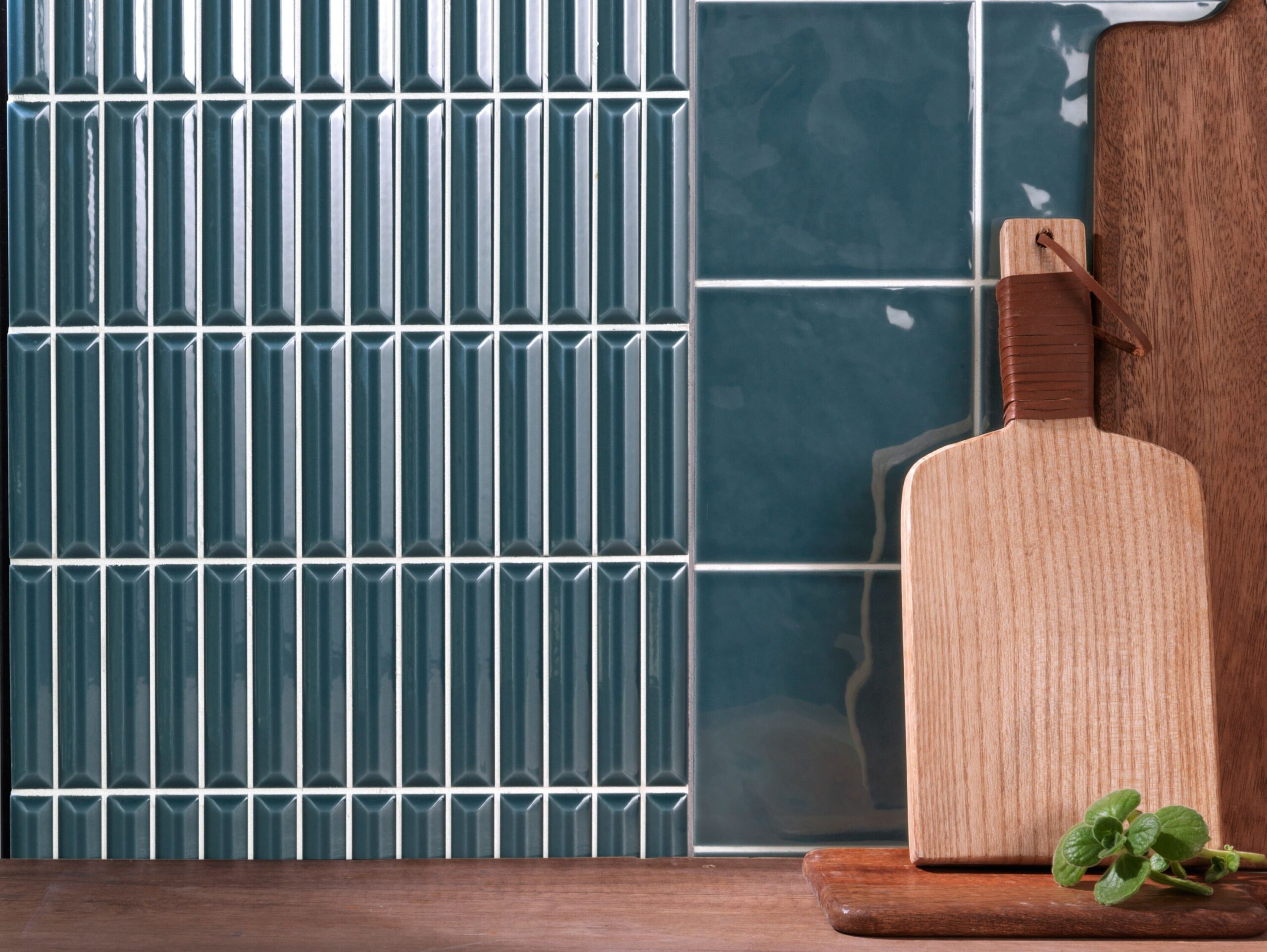
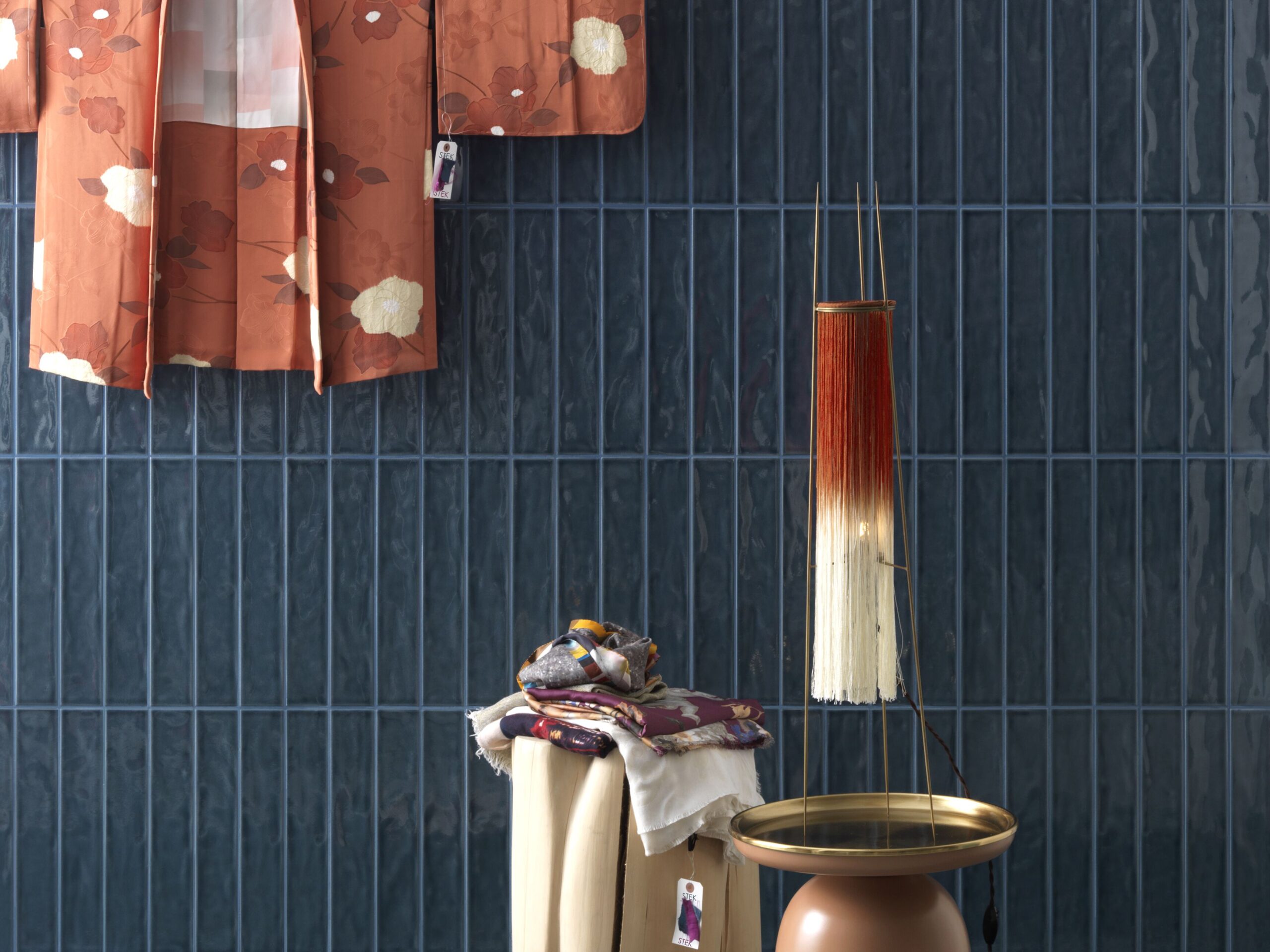
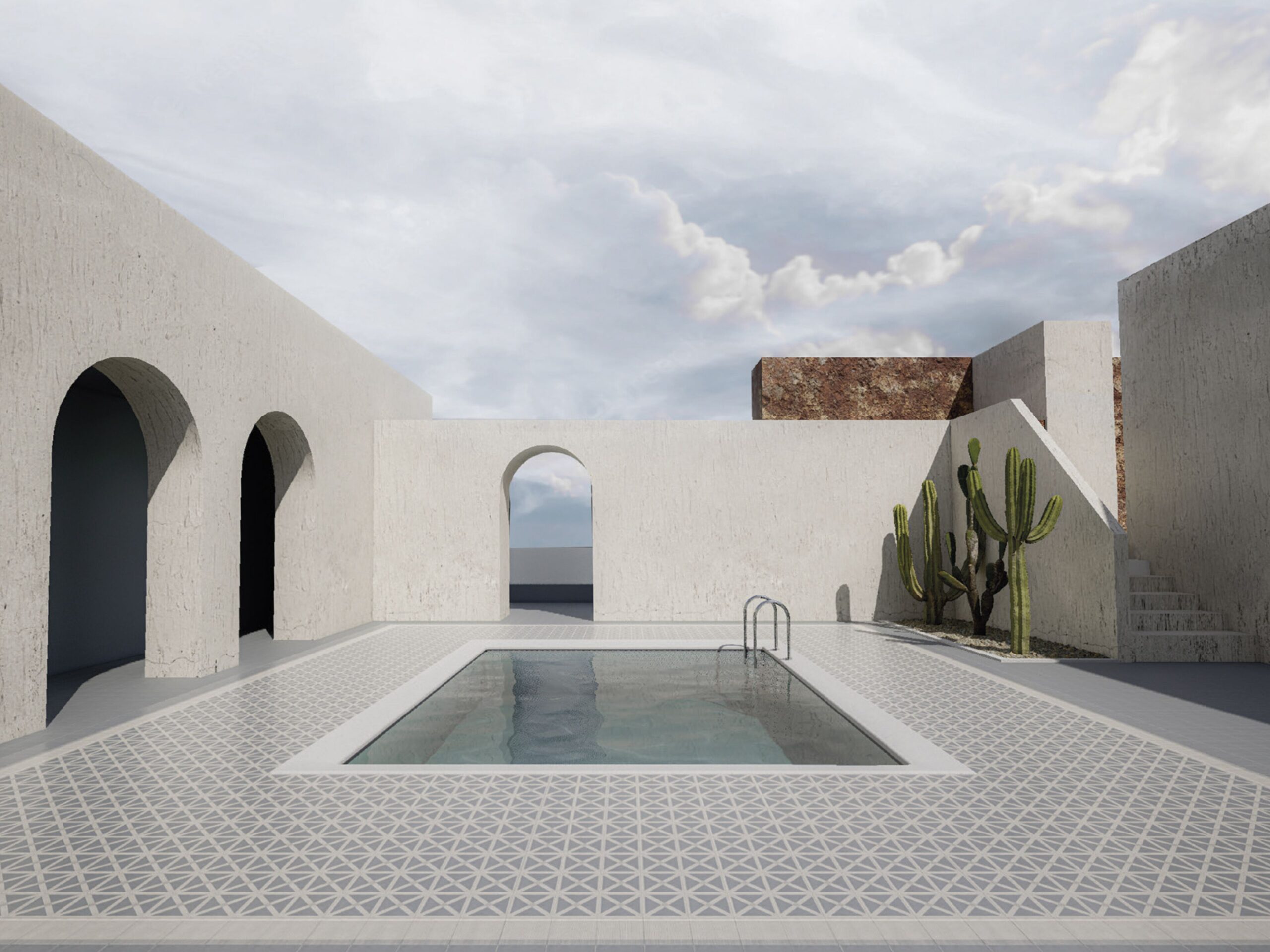
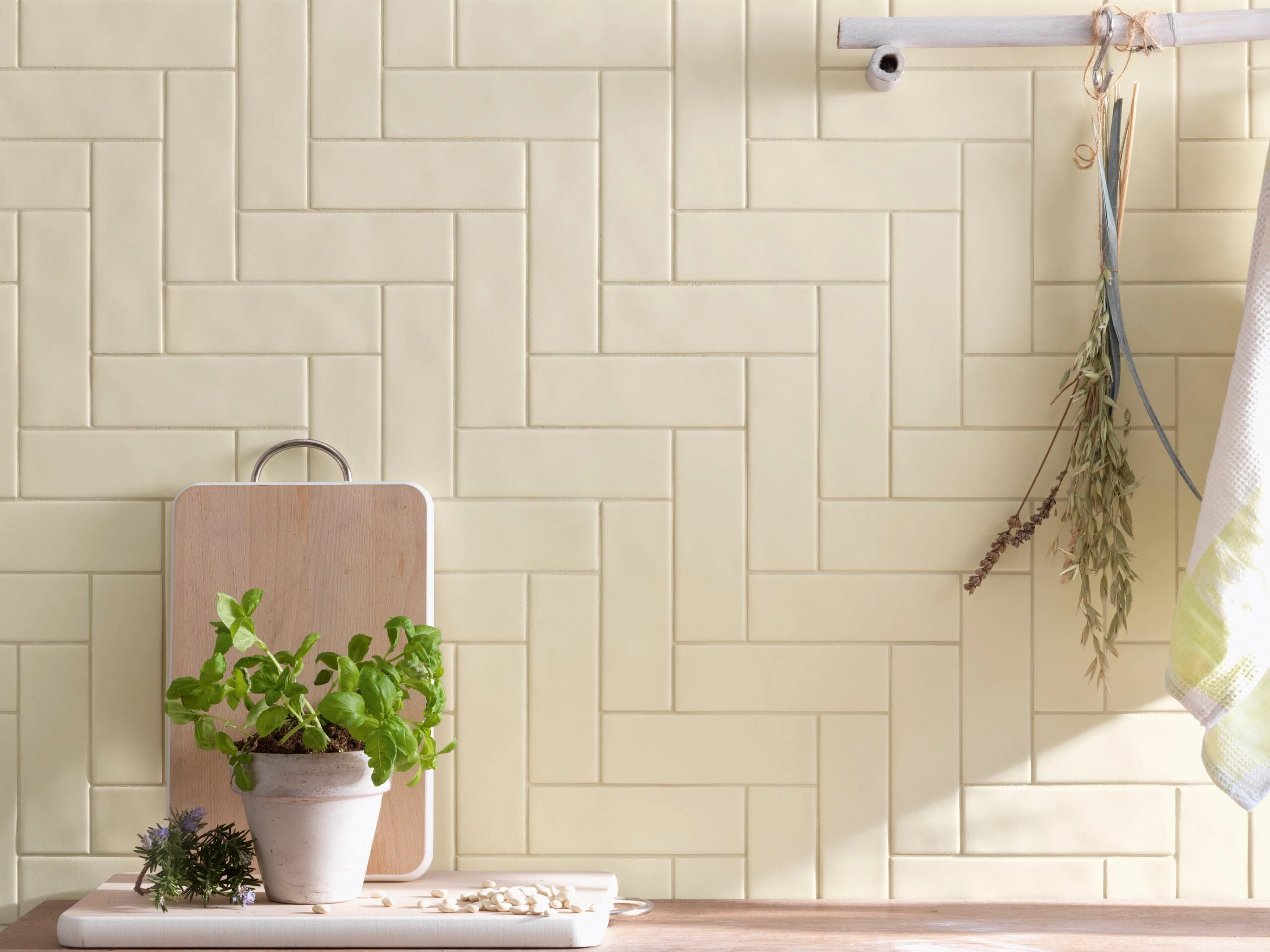
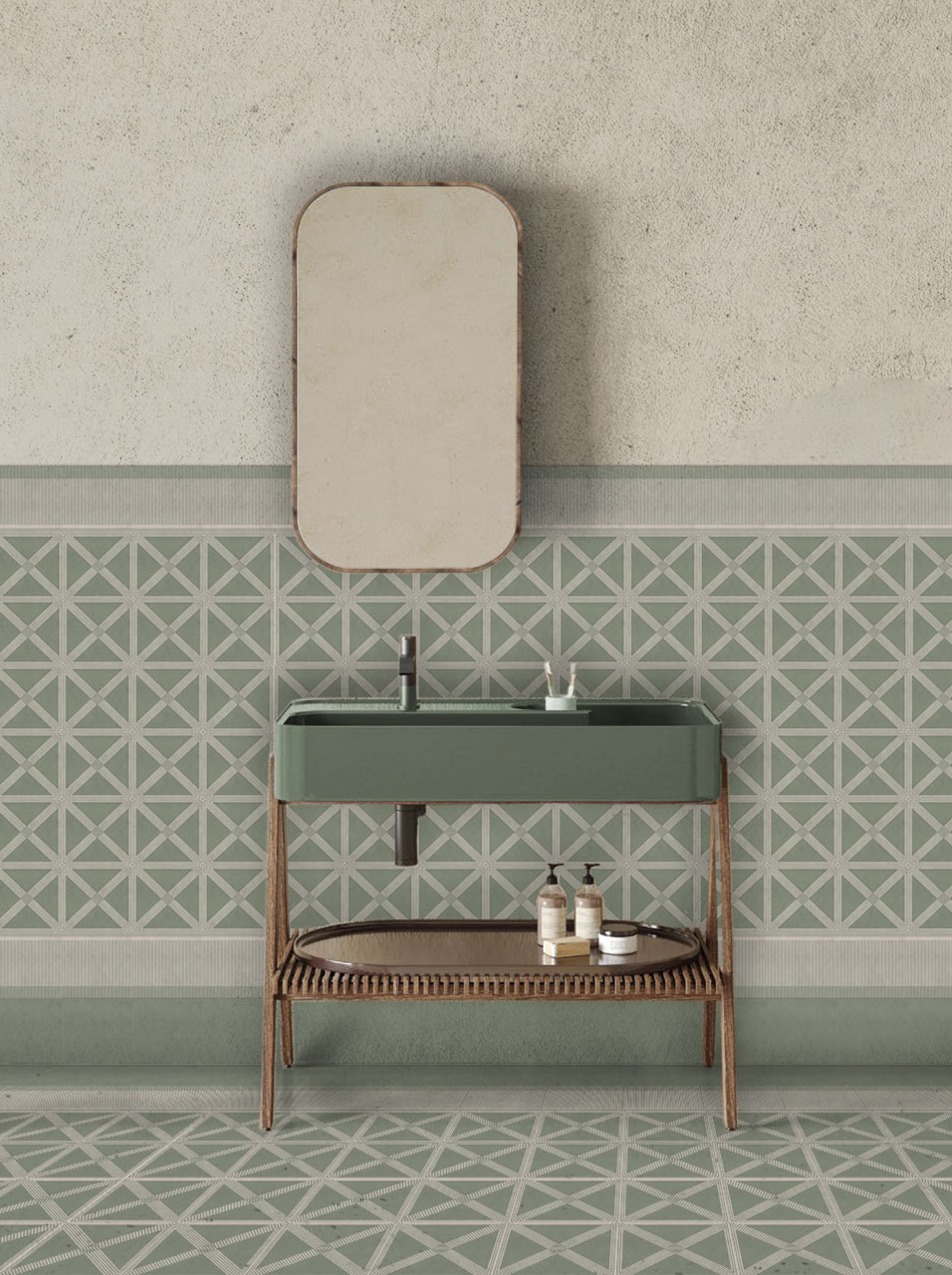
Small and modular formats remain central to the brand. Squares, elongated rectangles, hexagons, circles, trapezoids, rhombi and other less conventional geometries form a catalogue designed for composition. Individual pieces can establish rhythm, frame architectural details, mark transitions or build complete surfaces through repetition and pattern.
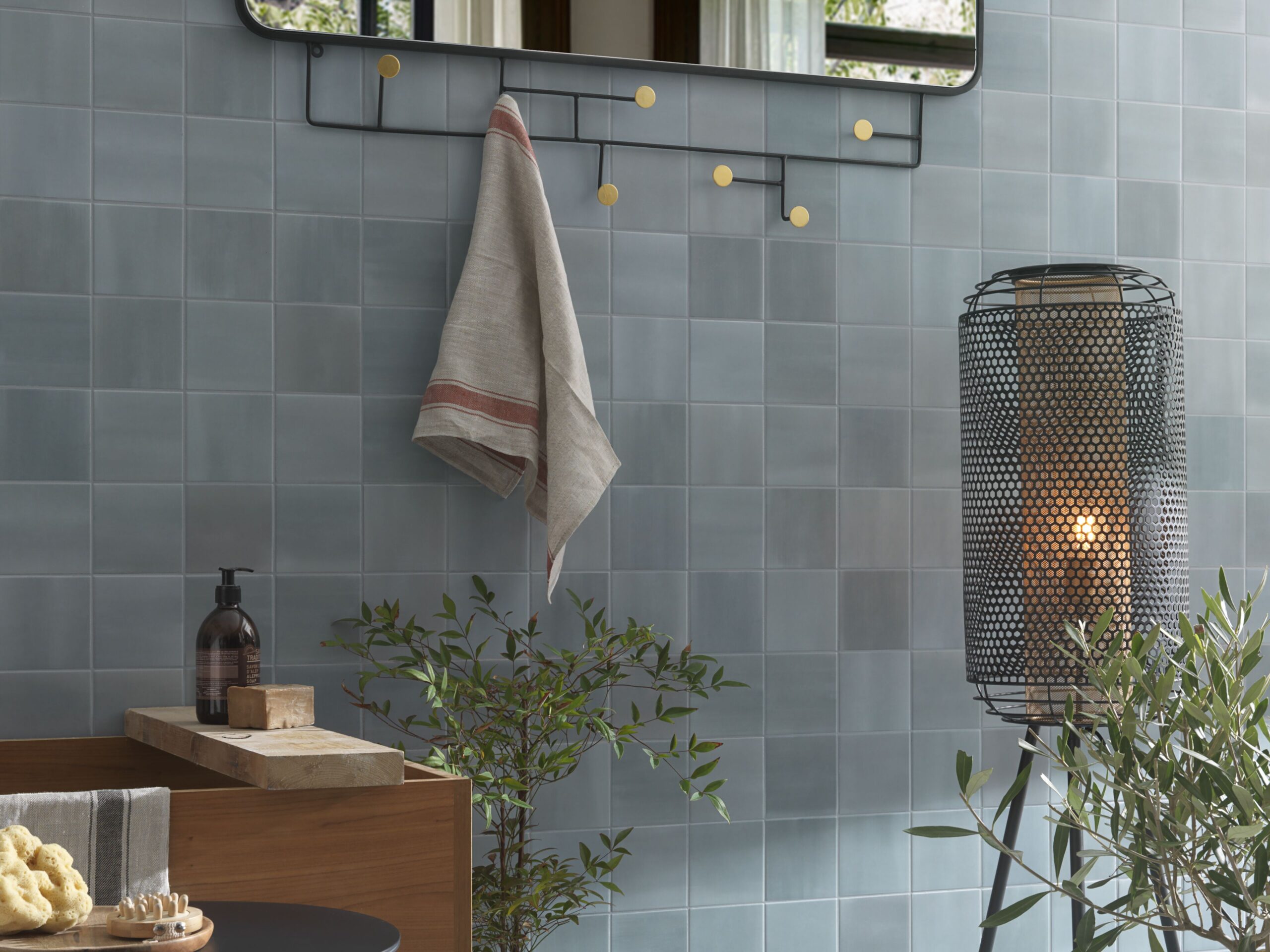
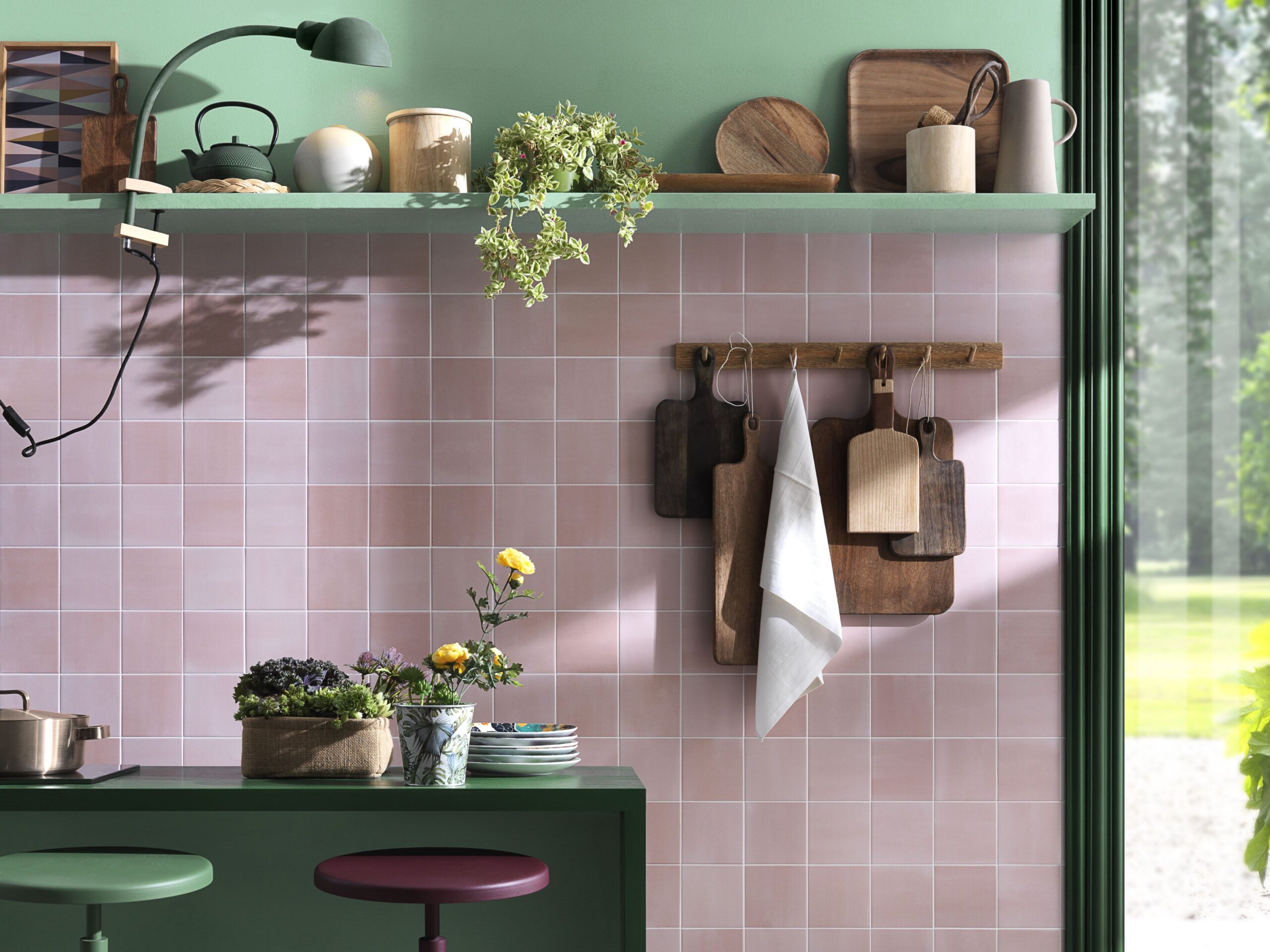
Colour is treated with equal depth. The palette moves from quiet neutrals and nuanced natural shades to saturated hues and more unexpected chromatic combinations. Matte and glossy glazes are joined by textured, dimensional, iridescent and softly irregular surfaces, allowing the same colour to change in response to light, relief and the direction in which the tile is laid.
This relationship between colour and material is closely connected to Tonalite’s artisanal culture. Slight movements in the glaze, tonal variation and subtle irregularities are preserved as part of the ceramic rather than corrected into mechanical uniformity. Contemporary production and design research support the collections, but the surface retains the visual character of a material shaped by fire and craftsmanship.
The catalogue currently brings together dozens of collections, formats and geometric shapes, giving designers considerable freedom to work across different scales. Some surfaces are deliberately restrained, while others introduce relief, craquelé effects, graphic patterns or references to traditional Italian majolica. What connects them is a consistent understanding of ceramic as a compositional material rather than a neutral covering.
This makes Tonalite particularly effective where detail matters: bathrooms, showers, kitchen splashbacks, niches, feature walls and hospitality interiors. Compact pieces can respond closely to corners, recesses and changes in plane, while contrasting colours or grout lines can be used to emphasise the geometry of the layout.
Coordinated decorations and special pieces extend this flexibility. Edges, transitions and more elaborate compositions can be resolved within the same material language, giving the individual tile an architectural role rather than treating it as a repeated surface unit.
Tonalite occupies a distinctive position within Italian ceramics. Its strength lies in the freedom to combine colour, shape, finish and repetition at a more intimate scale. The individual piece remains visible, and the way it is arranged becomes an essential part of the design.
Founded in 1974 | Italy | Headquarters: Sant’Agata Bolognese