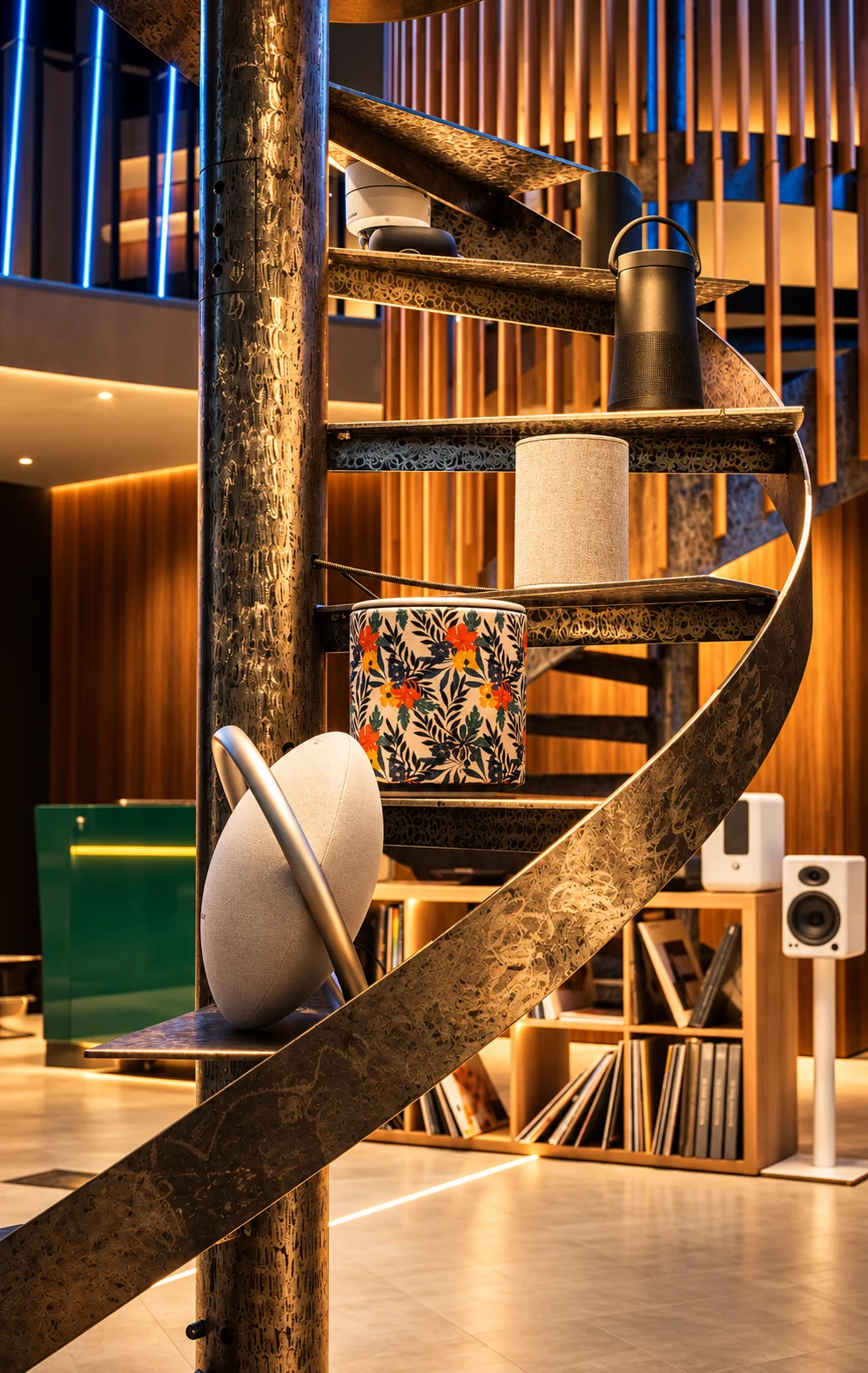
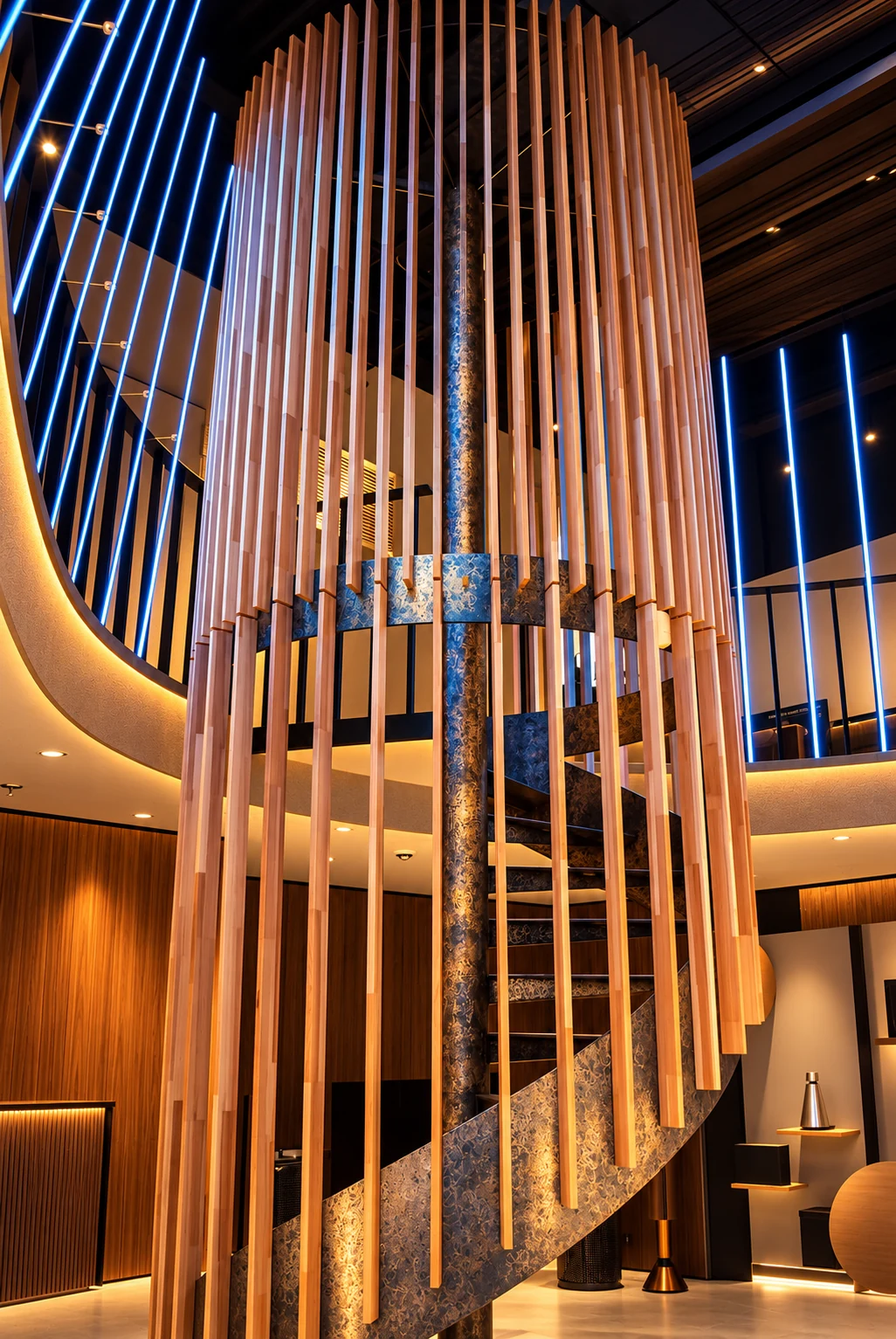
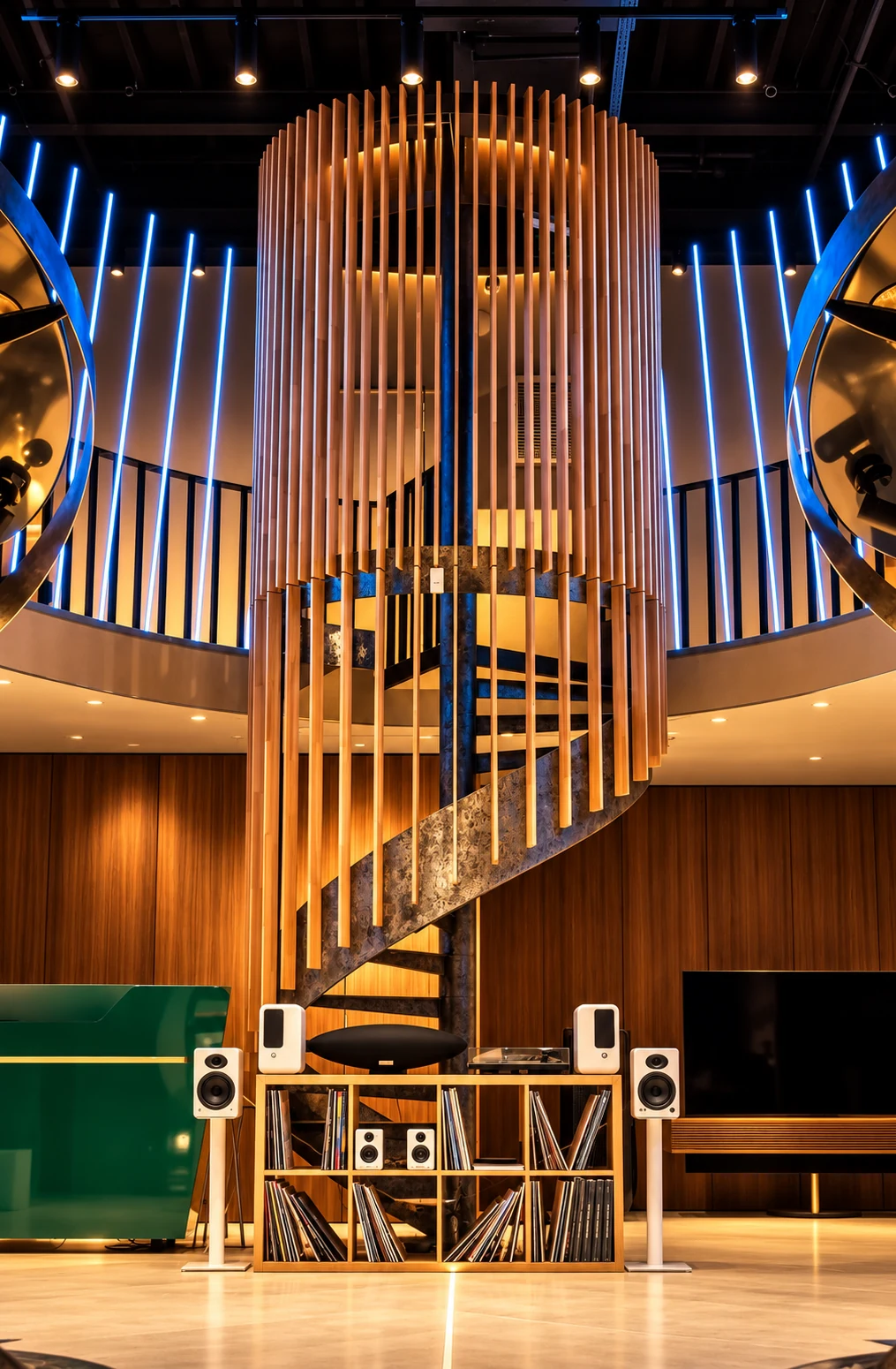
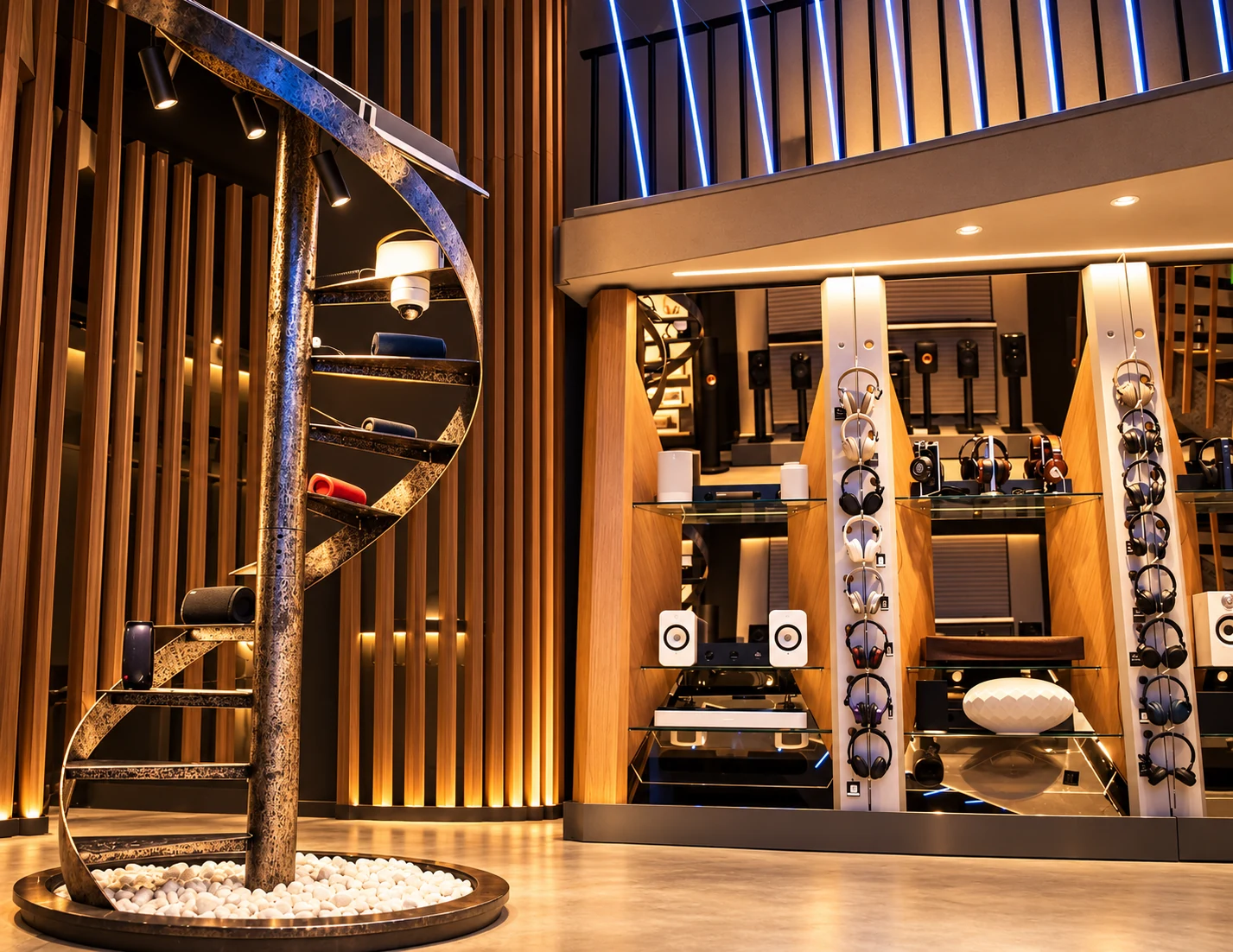
Metal shaped around the architecture of each project
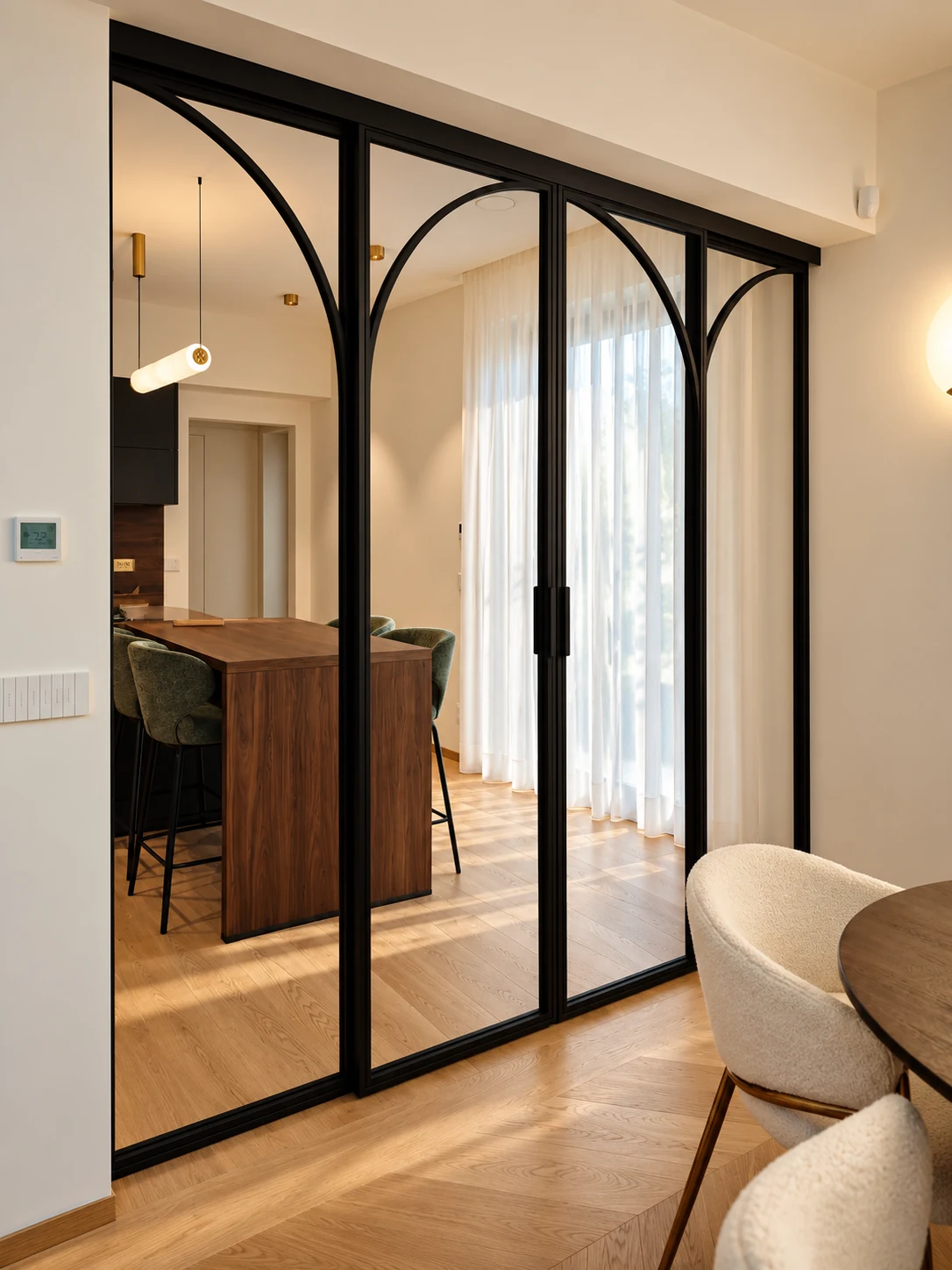
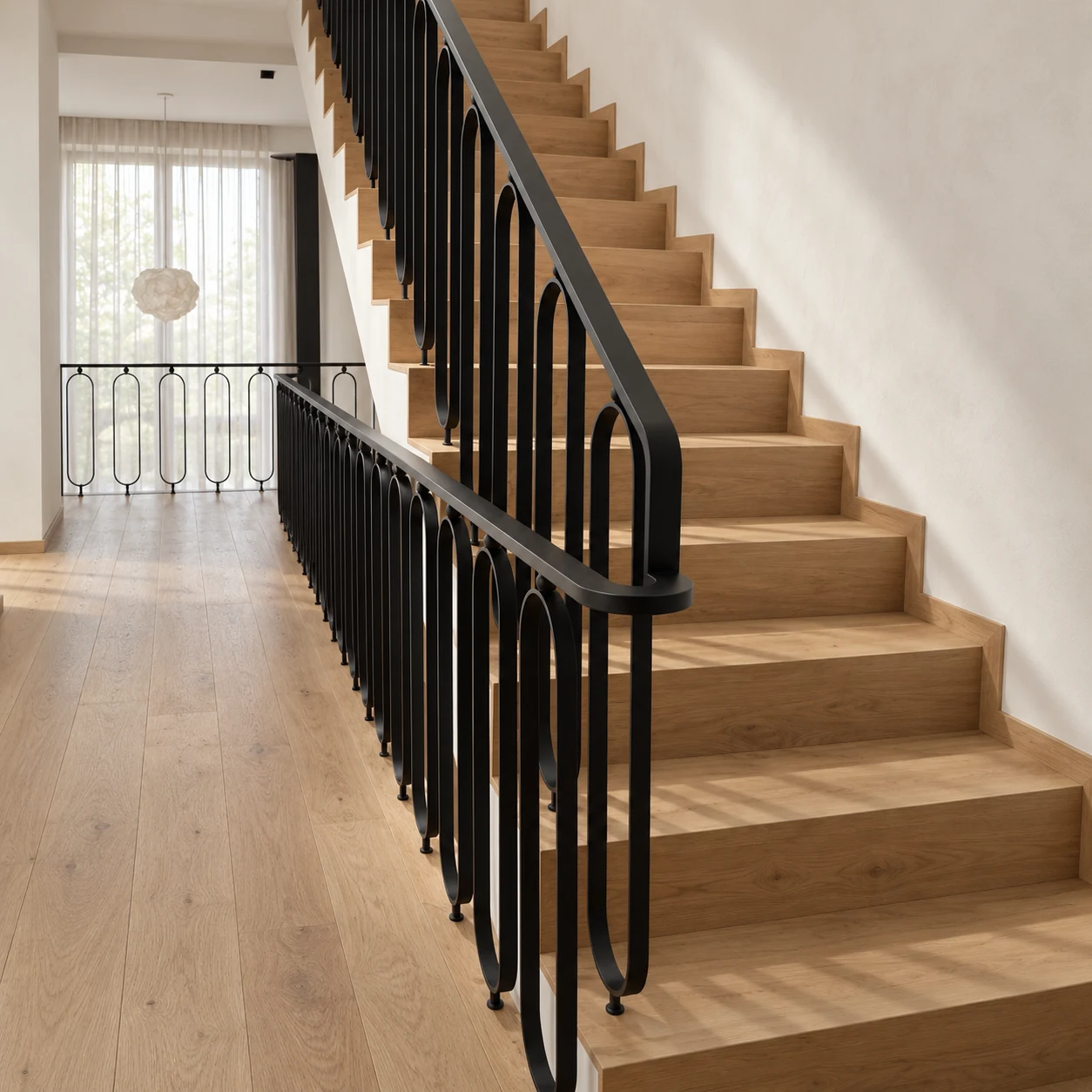
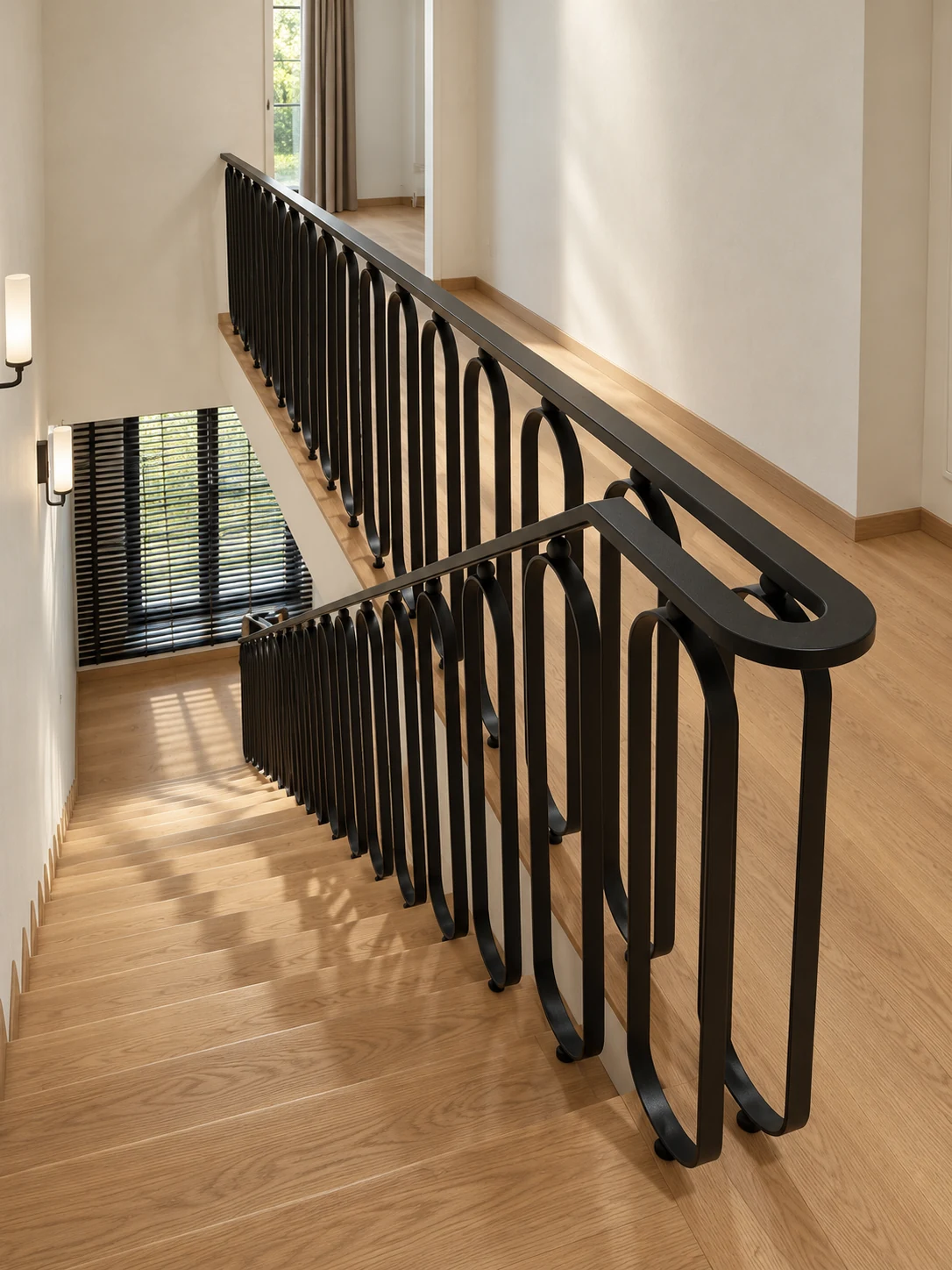
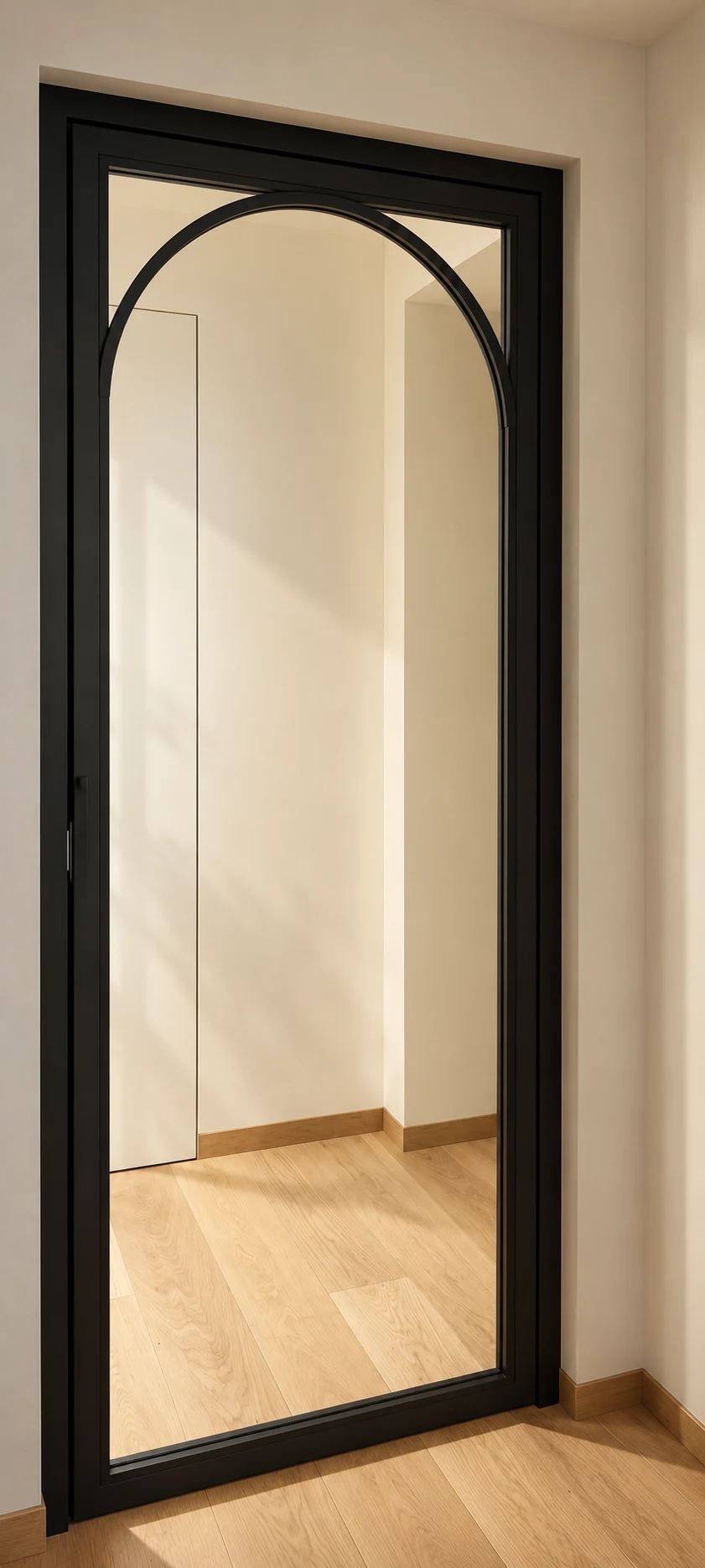
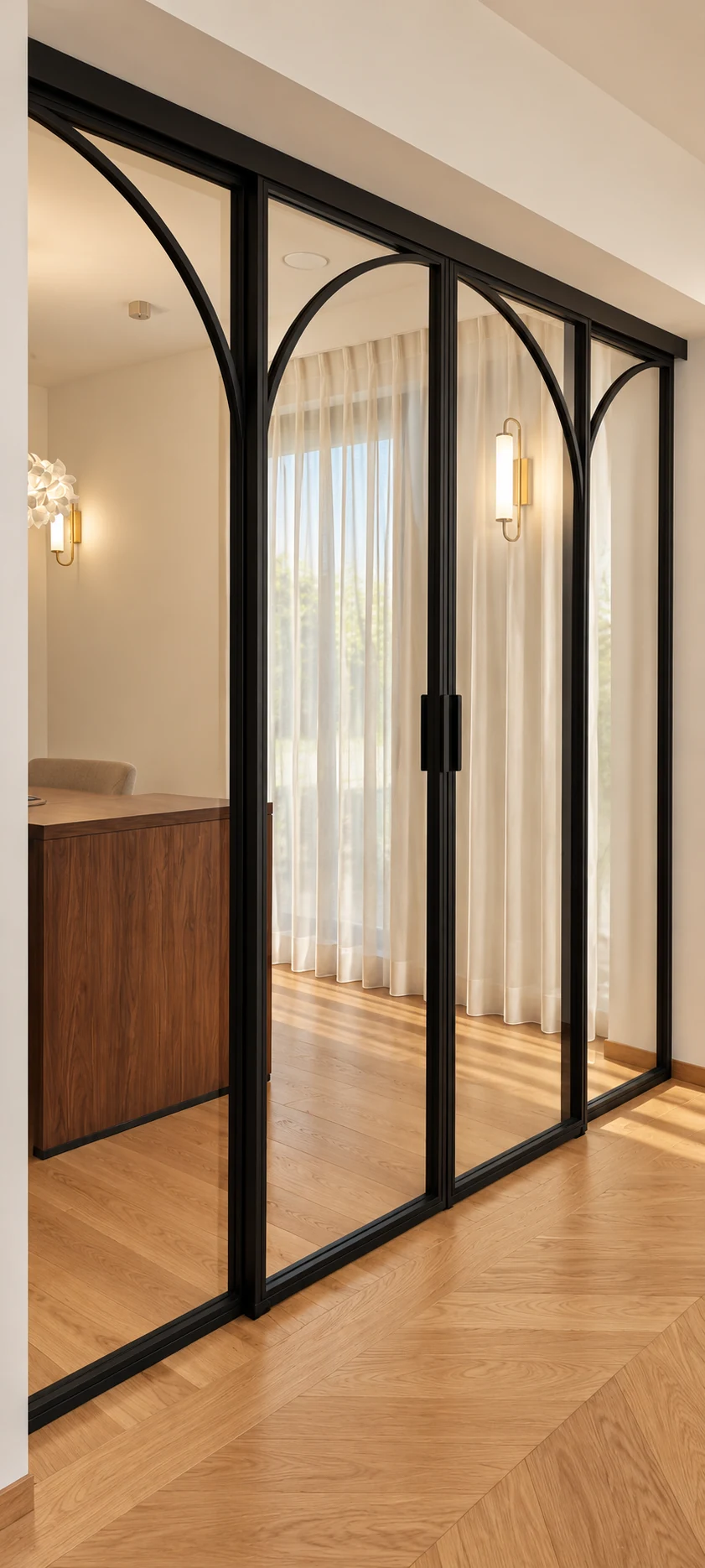
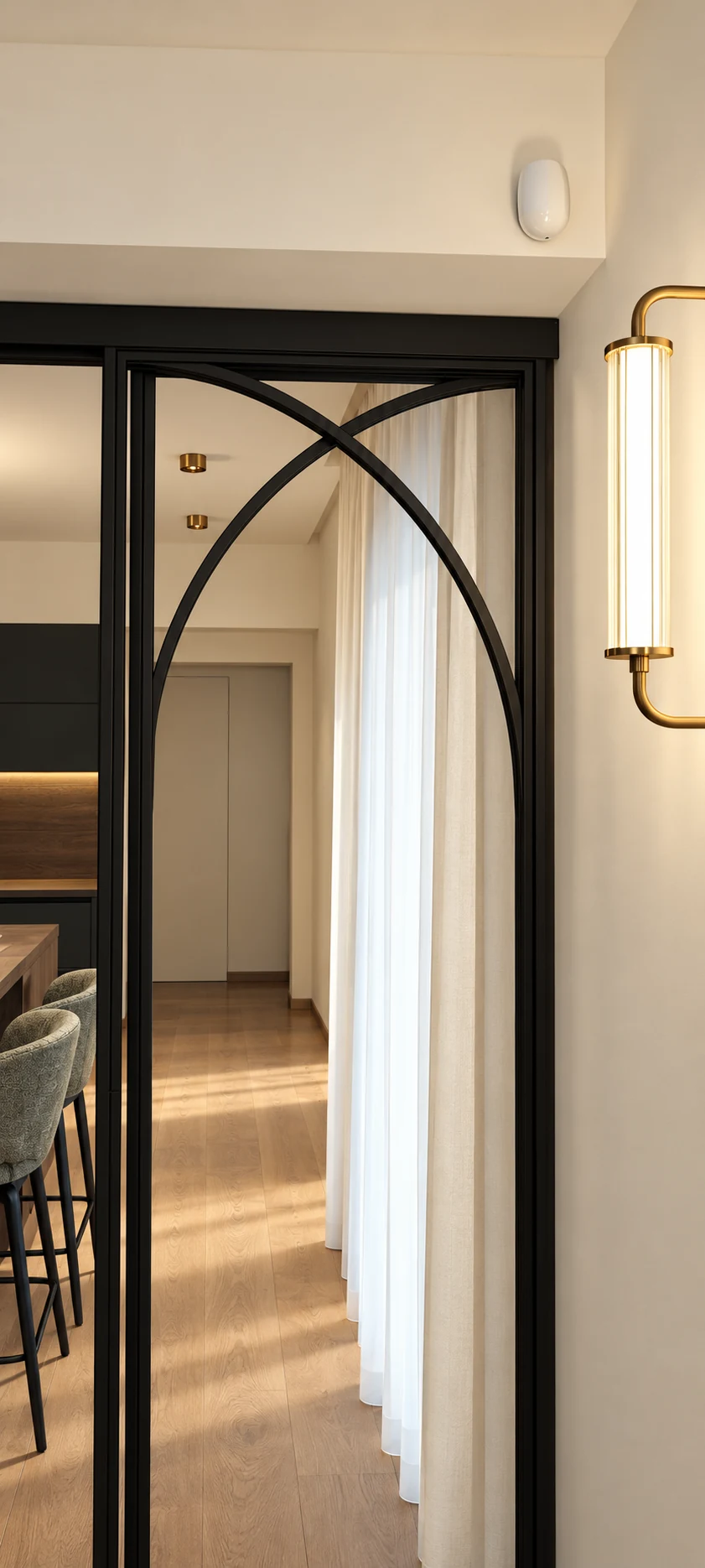
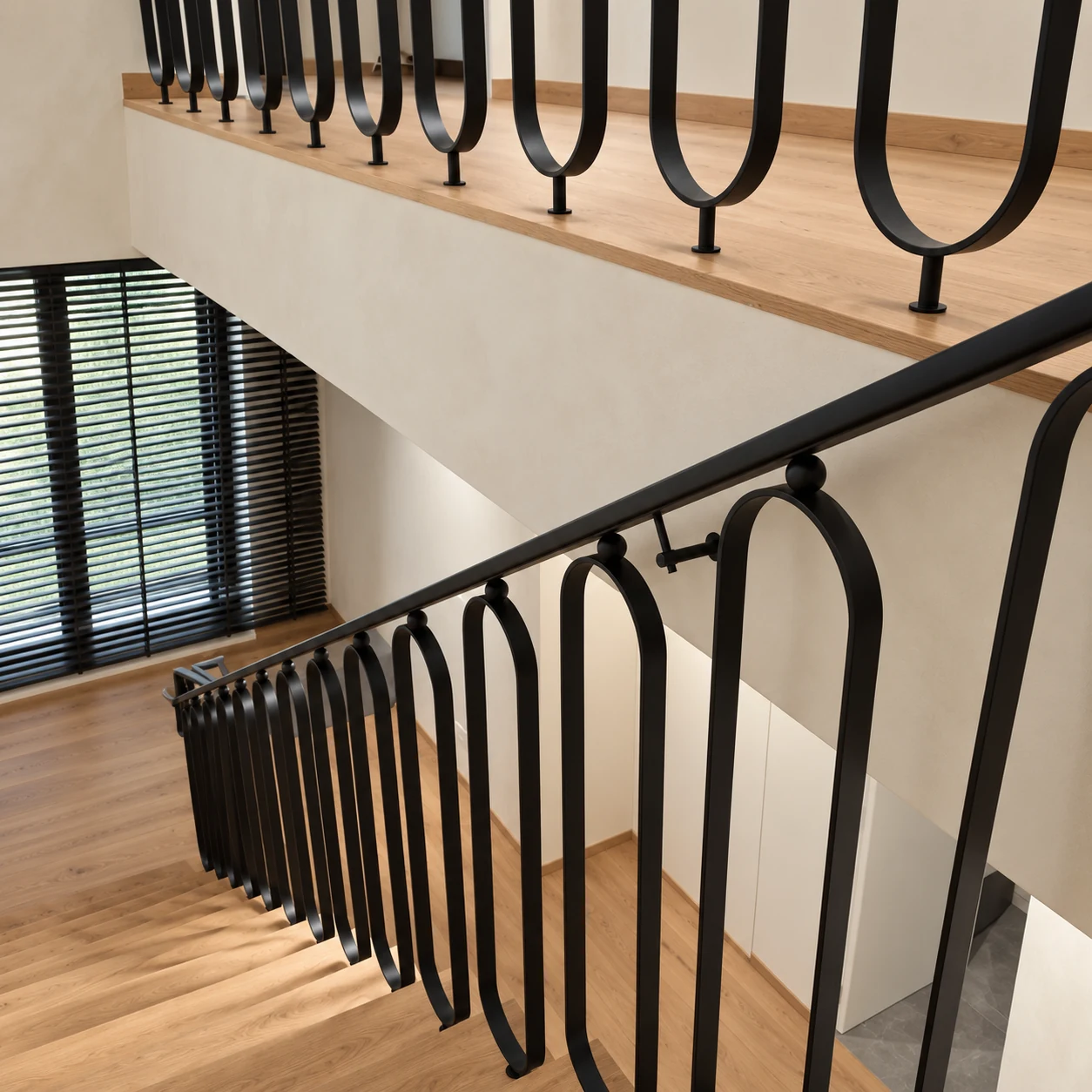
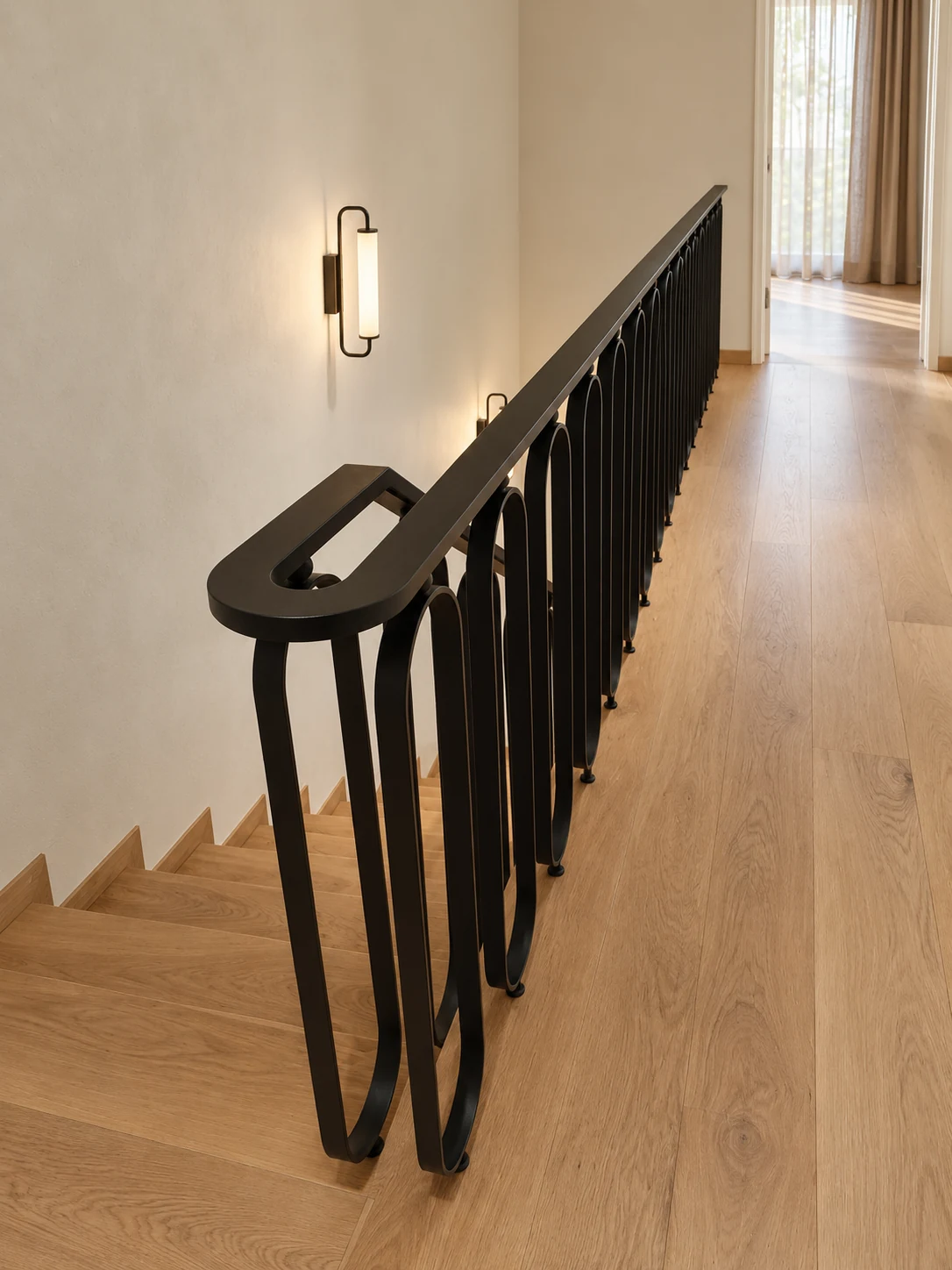
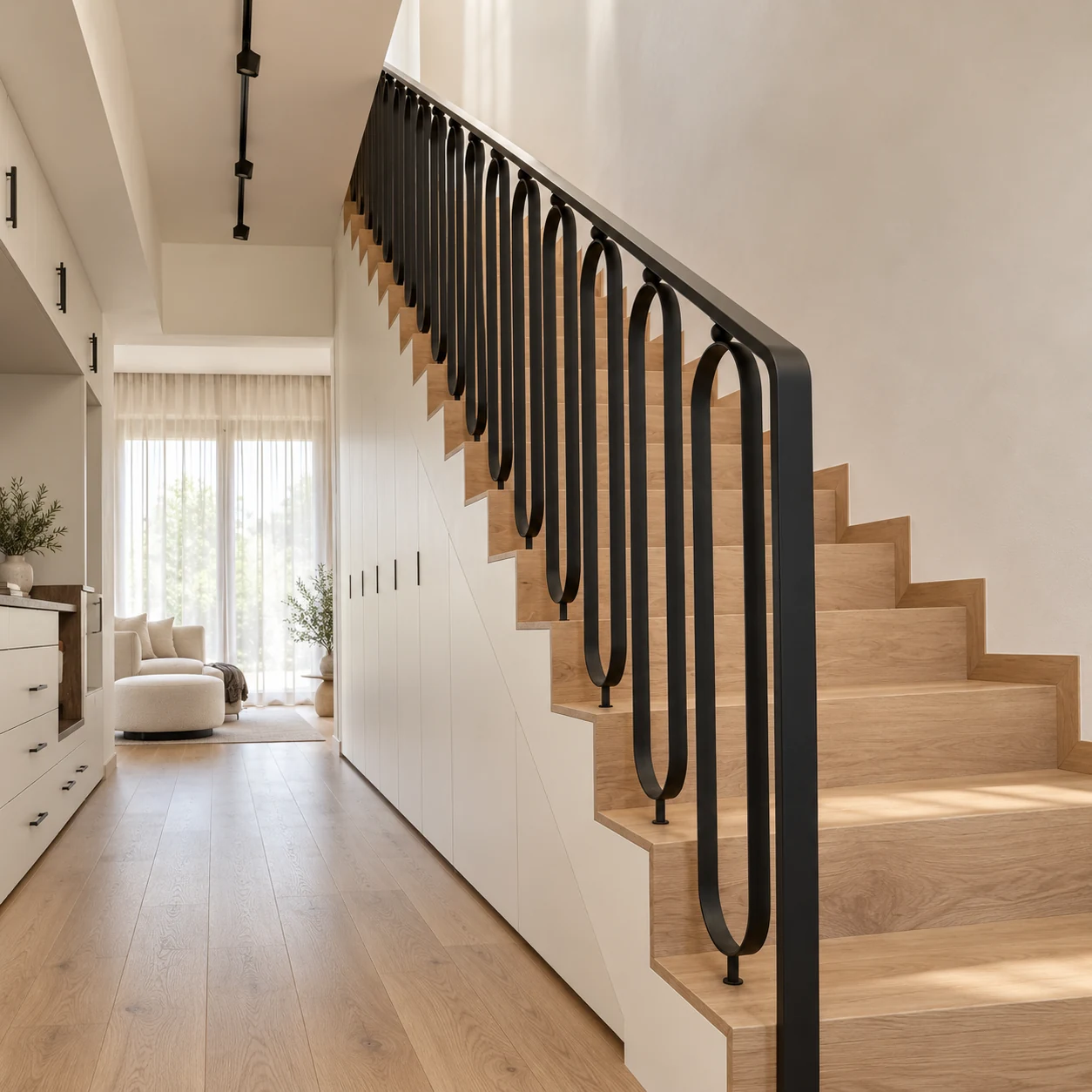
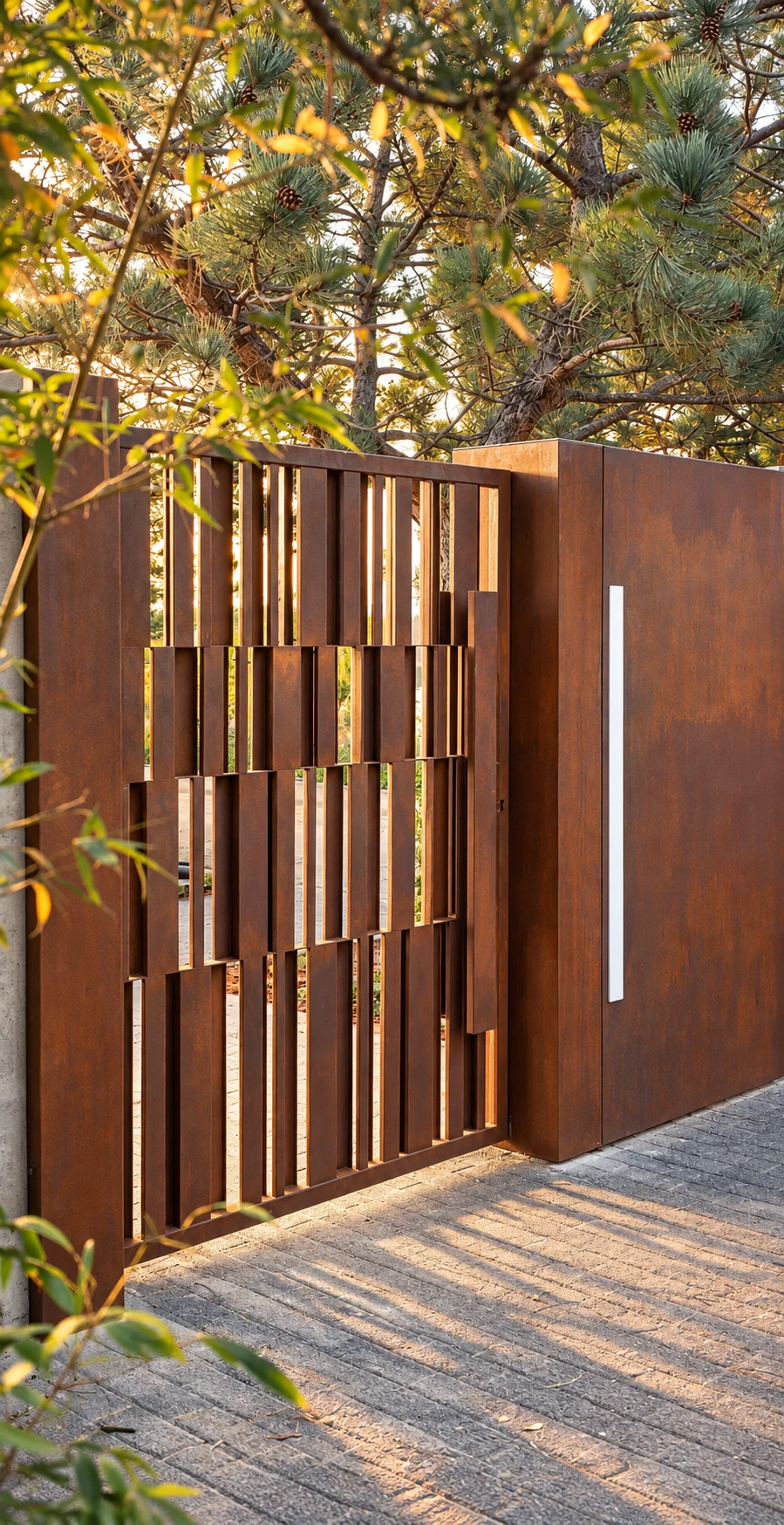
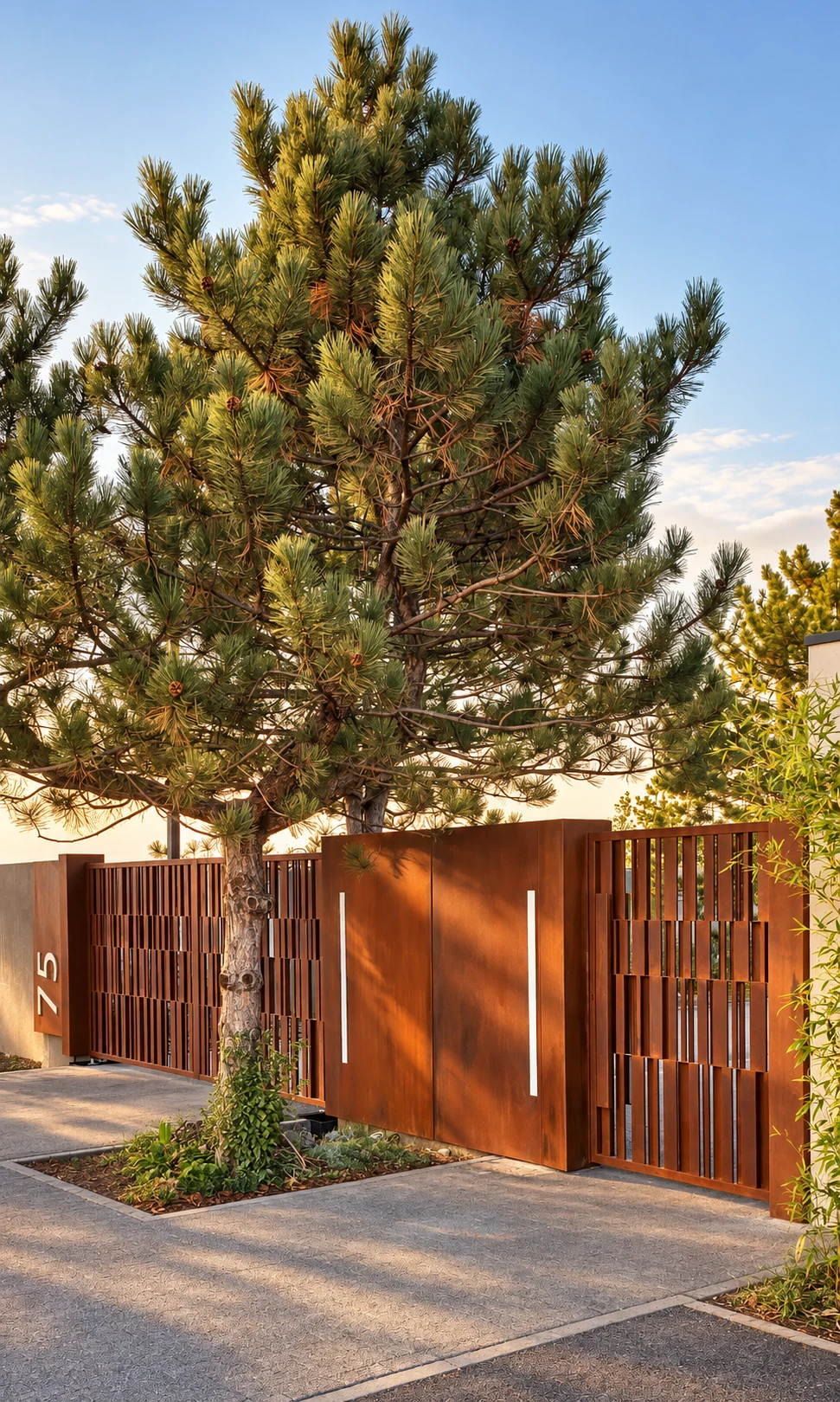
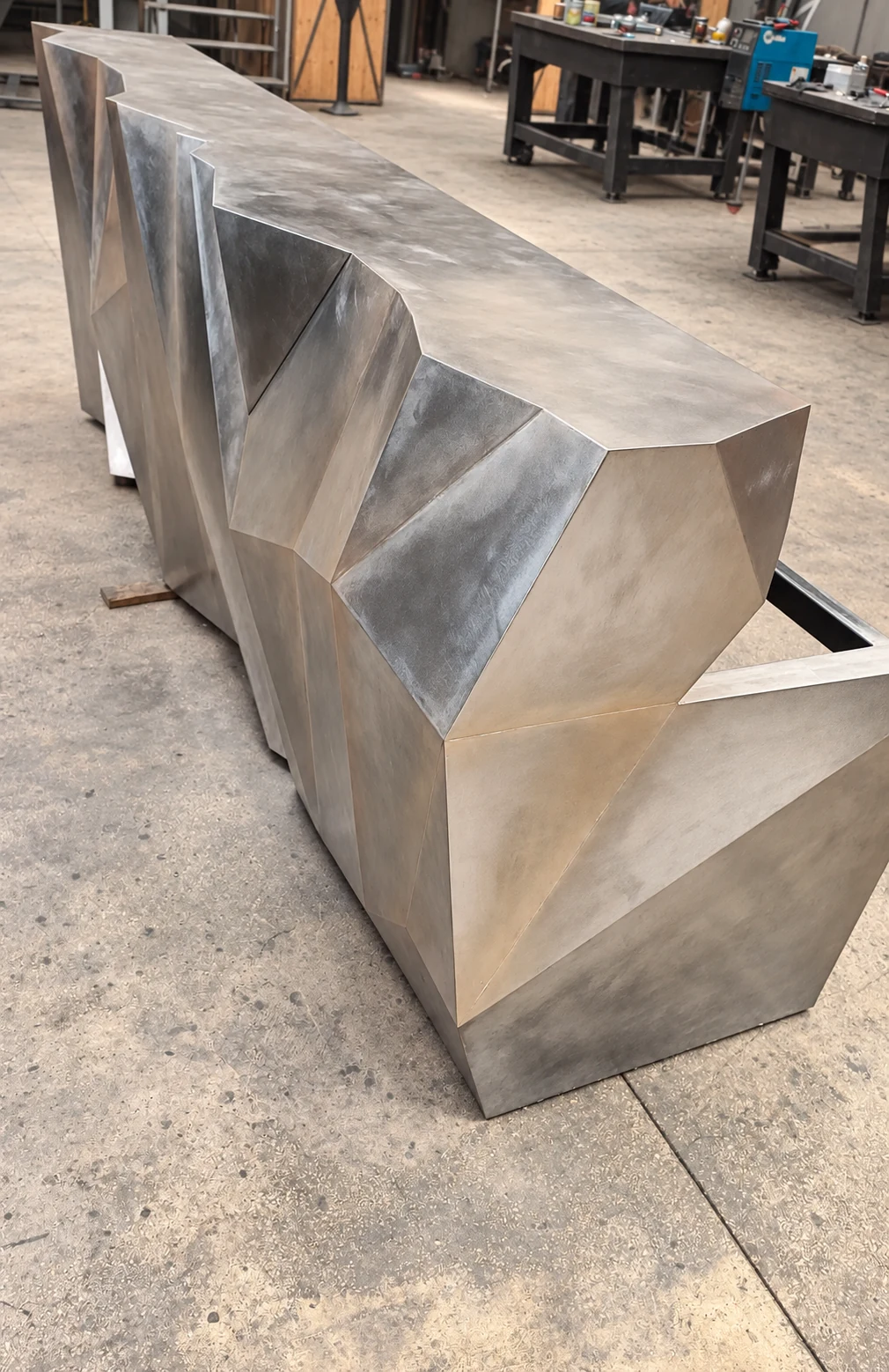
Every project begins with a different requirement: a staircase designed for a particular space, a balustrade that must appear almost weightless, a sliding door built to an exact opening or a bar conceived as a defining element of an interior. Rather than adapting standard products, the company develops each piece specifically for the architecture in which it will be installed.
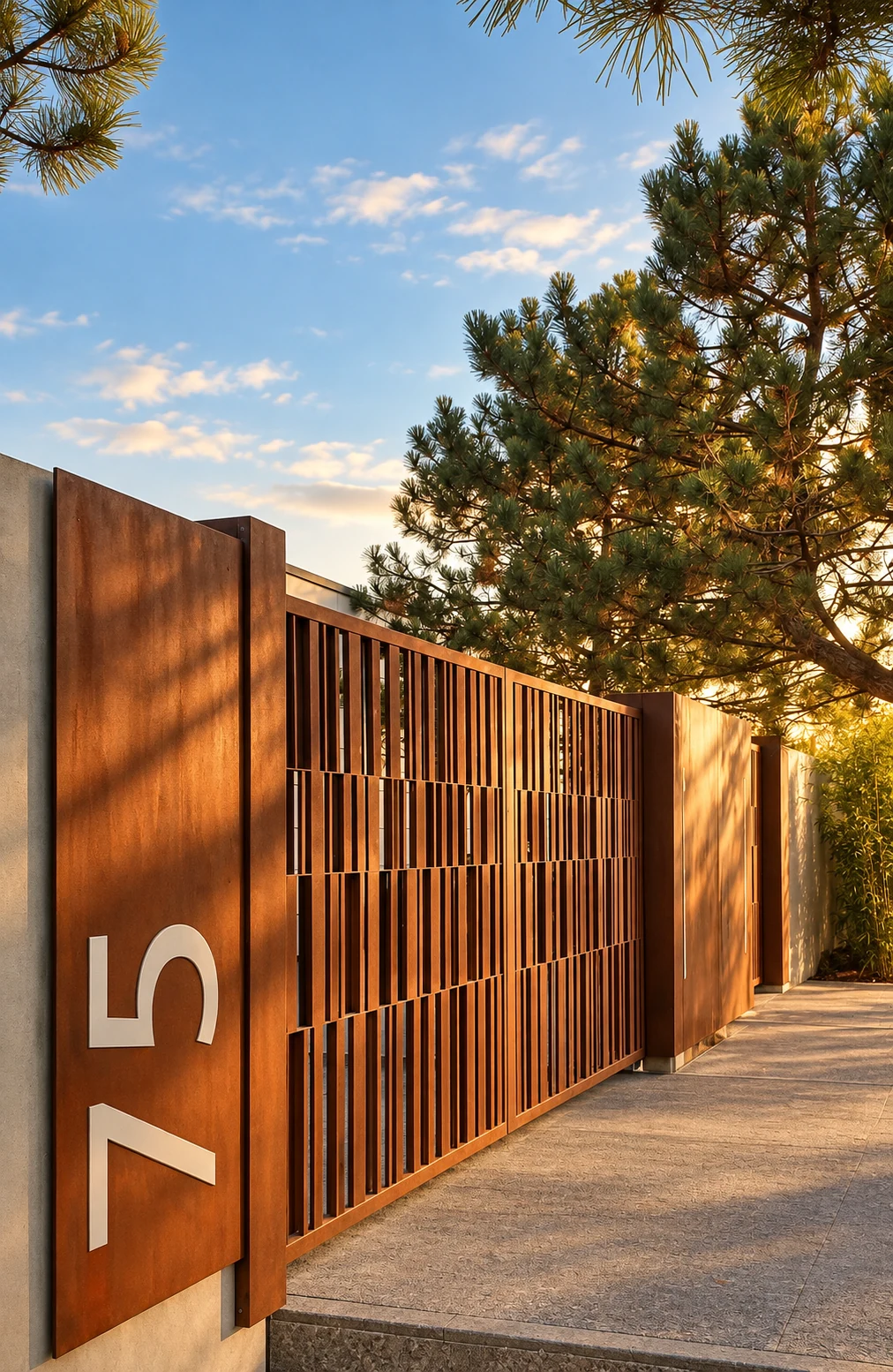
Its expertise covers stainless steel, brass, steel, sheet metal and other metals selected according to the structural, functional and aesthetic demands of the project. Materials can be cut, folded, welded, polished, brushed, patinated, painted or combined with glass, stone and wood. The choice of metal is therefore closely connected to the intended result, whether the project calls for structural strength, a refined reflective surface, a warm aged finish or a discreet architectural presence.
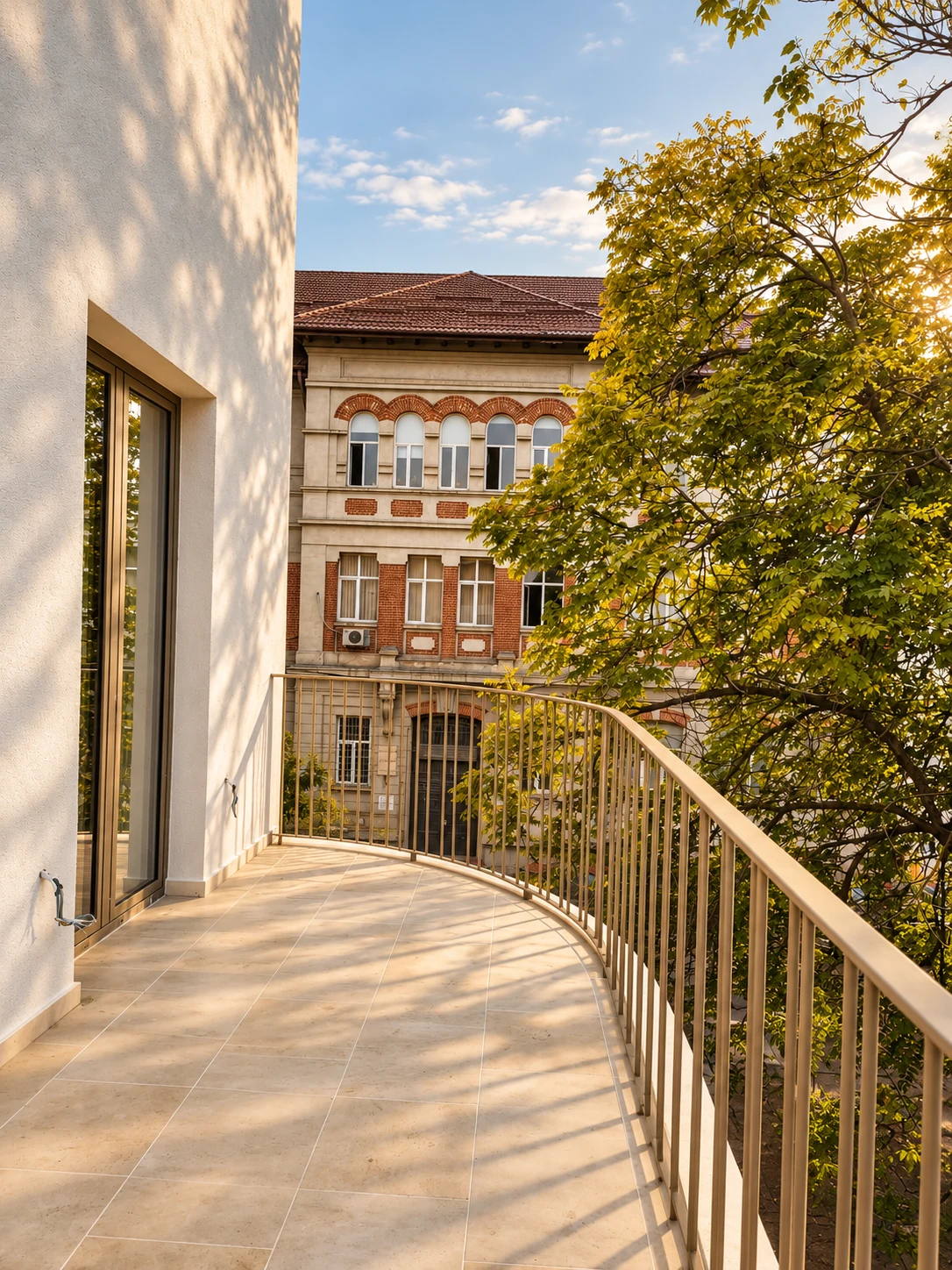
The work ranges from staircases, balustrades and sliding doors to bars, reception desks, shelving, partitions, furniture and one-off decorative elements. Each piece is developed according to the dimensions and technical conditions of the space, allowing proportions, junctions, fixings and finishes to be resolved as part of the design rather than treated as adjustments during installation.
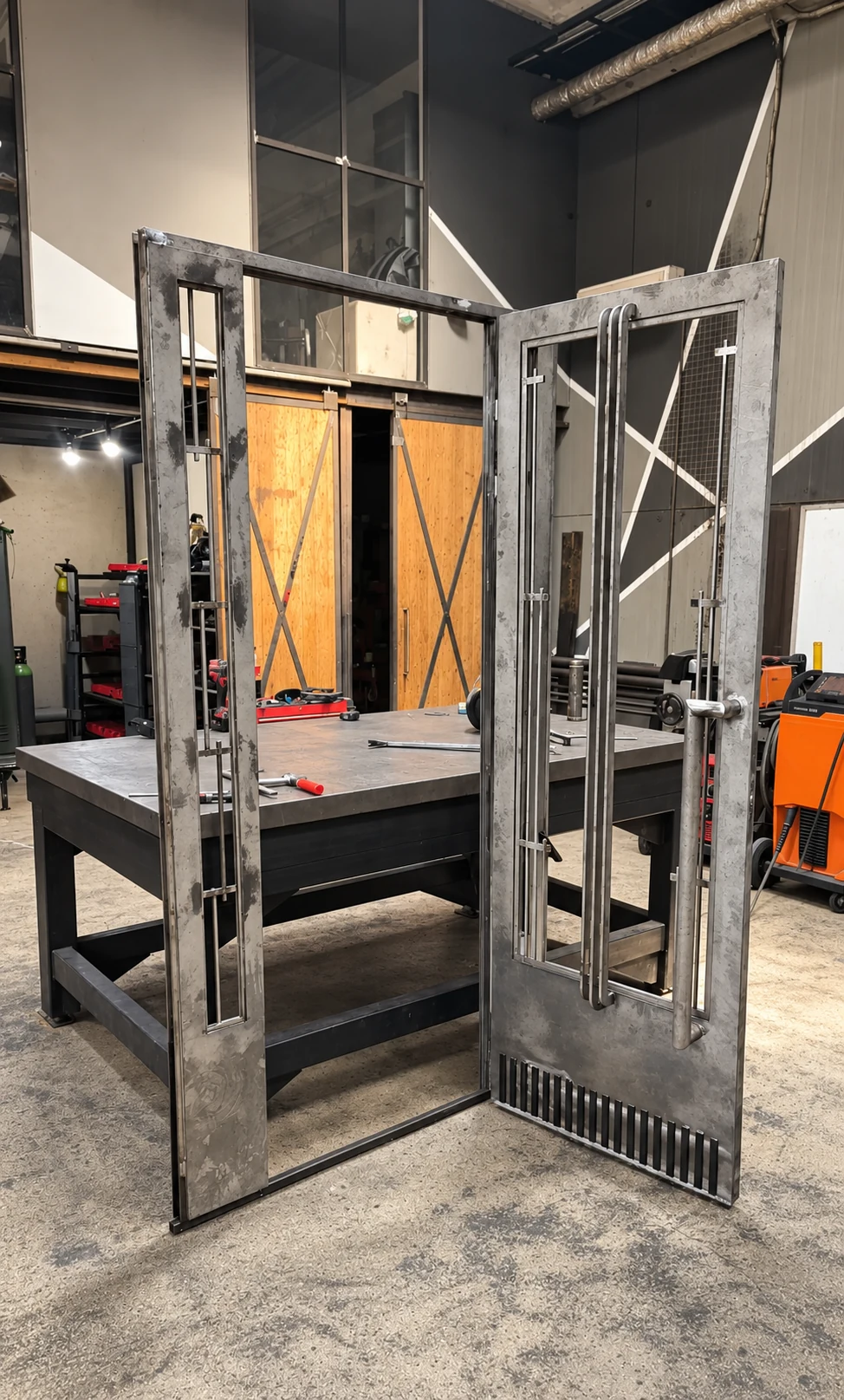
This ability to move between structure and detail is one of the company’s principal strengths. A complex staircase requires engineering, accuracy and an understanding of load, while a brass counter or an exposed handrail depends equally on the quality of its edges, welds and surface treatment. Both are approached with the same attention, from the first drawing and material samples to fabrication, finishing and final assembly.
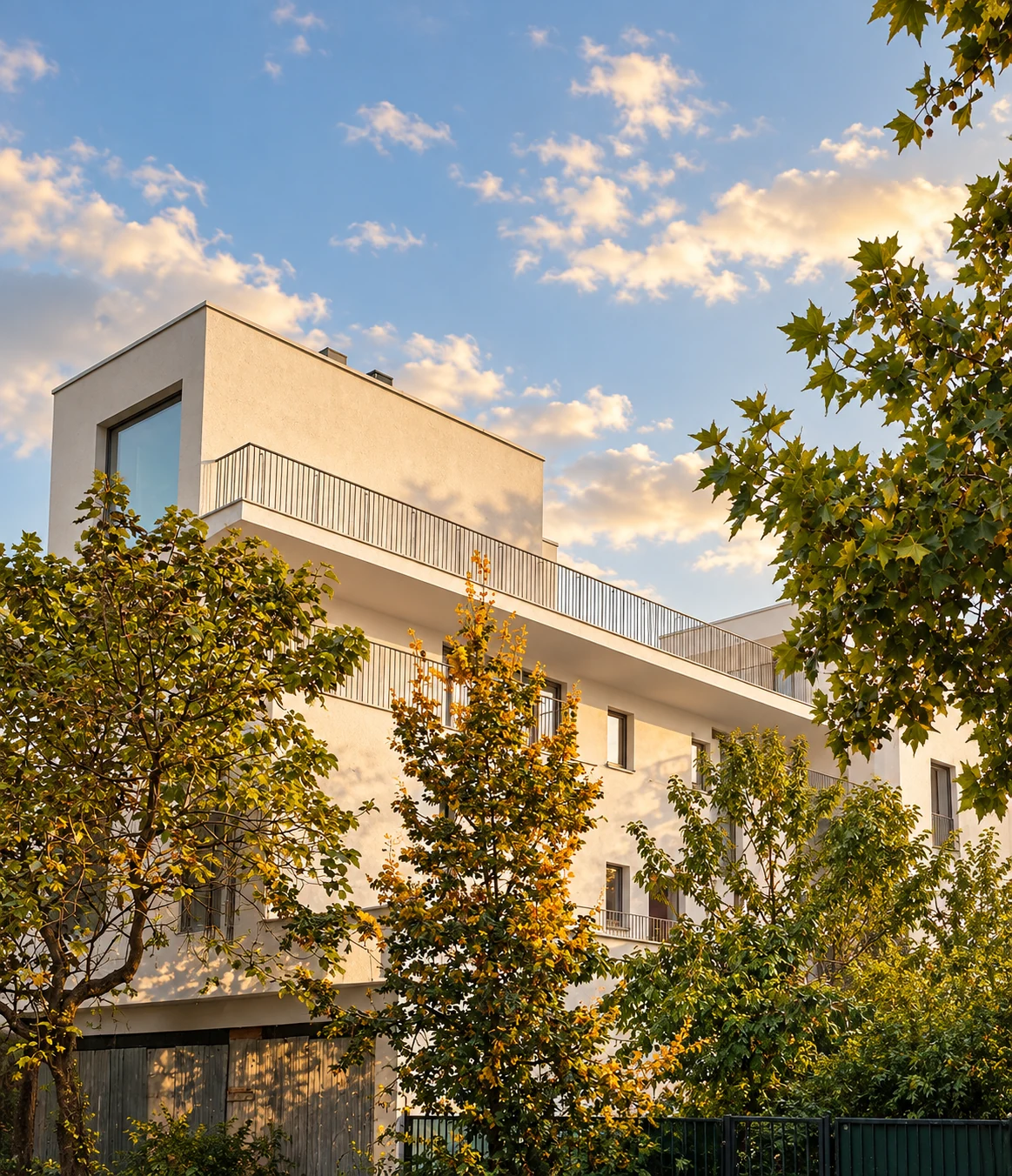
Custom metalwork is particularly valuable in residential interiors where architectural elements need to follow a precise design language, but also in restaurants, hotels, offices and retail spaces where durability must be combined with a distinctive visual identity. The scale may change, yet the process remains closely tailored to the project and coordinated with architects, designers, contractors and the other materials involved.
The result is metalwork that feels integral to the building rather than added after it. Structural elements, functional objects and decorative details are developed as part of the same architectural composition, with the freedom to create pieces that cannot be found in a standard catalogue.